
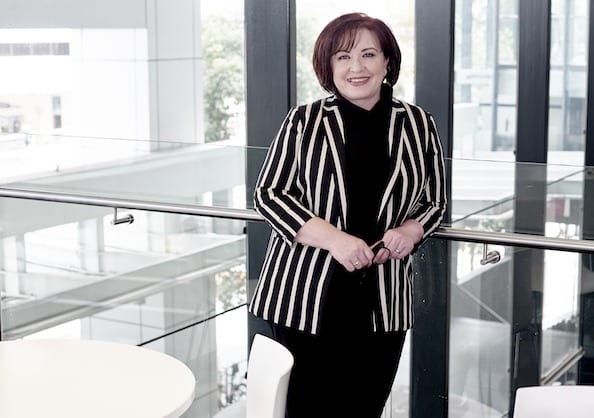
That’s why inclusion is a priority at a number of large employers, including insurance firm Allianz, where Edyta Torpy has recently taken on the position of Head of Diversity and Inclusion. The firm has had targets in place for some time, but in the past couple of years has increasingly been putting a stronger emphasis on the inclusion piece, including by naming it directly in Edyta’s job title.
“Diversity is the key, it brings in different perspectives, news skills and new ideas,” Edyta tells me. “But organisations have to recognise that you need to have that inclusive work environment to enable people to be themselves and to really shine.
“It’s one thing to get diverse people on board, but if you expect them to simply assimilate into an existing culture, then you’re missing out.”
Speaking with Edyta in the lead up to International Women’s Day, one shift in achieving an inclusive firm-wide mind-set is about ensuring diversity is seen as broader than gender, and that they aim to celebrate and acknowledge a wide range of differences in the firm.
That’s why the entire month of March is all about D&I at Allianz, with numerous events and initiatives to help mark various events that occur during this 30-day period: including IWD, Mardi Gras and Harmony Day.
Edyta says the approach sees the firm sharing news stories and profiles, as well as competitions and various activities and initiatives staff can participate in. “Ultimately overlaying the whole month is this idea of inclusion. Diversity is who we are but inclusion is how we come together,” she says.
In their third year of D&I month, they’re using March 2019 to launch a new ‘Inclusion Hack Pack’, giving all employees ideas on small things they can do on a daily basis to be more inclusive.
The firm has also invested in inclusive leadership training, to ensure leaders can promote what it means to be inclusive through their teams. But ultimately Edyta says the success of inclusion comes down to every role in the organisation, which is why she believes the ‘Hack Pack’ can help everyone access some ideas on what they can do.
Meanwhile, targets play a central part in Allianz’s D&I strategy, with the firm currently on track to meet it gender target of a 40 per cent female leadership team by 2020. It has a second target around cultural diversity, setting interim targets year on year to see at least 14 per cent of its leadership as being non-European by 2020, in order to meet with the percentage of the population that’s from a non-European descent in Australia.
Asked about other D&I highlights in the business, Edyta points to their partnership with Settlement Services, which has seen it provide refugees with employment opportunities, through the organisation run by Violet Roumeliotis (who has shared more about it on Women’s Agenda previously). The program, initiated by Edyta’s predecessor Charis Martin-Ross, won a Human Rights Commission Business Award in 2017 and is currently providing around ten refugees and migrants a year a solid start in the Australian corporate jobs market, and Allianz with some excellent new skills.
On the flexibility front, Edyta is leading a new pilot initiative that asks teams to come together to develop their own policy, rather than applying a top down approach to every time and job function. Currently being trialled in the IT division which had recently moved to Activity Based Working, Edyta says the approach recognises the fact different teams have different needs when it comes to who is working when and from where.

“Not every kind of flexible work practice will be effective in every team,” she says. “We’re trying to give the autonomy to individuals to group together with their teams to decide what will work best for them. While we do still have policies and rules, we also want people to feel empowered to determine what is actually going to work within the teams they’re in and the kind of work they do.”
And for new parents, Allianz is focused on getting all employees to return to work post parental leave by ensuring they have as many resources, including a comprehensive keeping in touch program, as needed during their time out – and that they also have enjoy a seamless experience when actually making the return.
“We have a high number of people returning to work, it’s in the 90+ per cent region,” she says. “However, one of the areas we really want to focus on now is helping to break down some of the gendered stereotypes on caring responsibilities: So, making sure fathers and partners feel comfortable that they can ask for time off to be care givers, without worrying on the impact of their job long term.” Edyta concedes they have more work to do, but have started by sharing different stories of women and men in the organisation taking time out.
There’s no silver bullet to making employees feel included, but offering a wide range of programs and initiatives that can support different areas of their lives is the first step. The success of targets – especially in this case targets for cultural targets – can offer some measure (but not always a complete picture) of success on how such initiatives are tracking.