
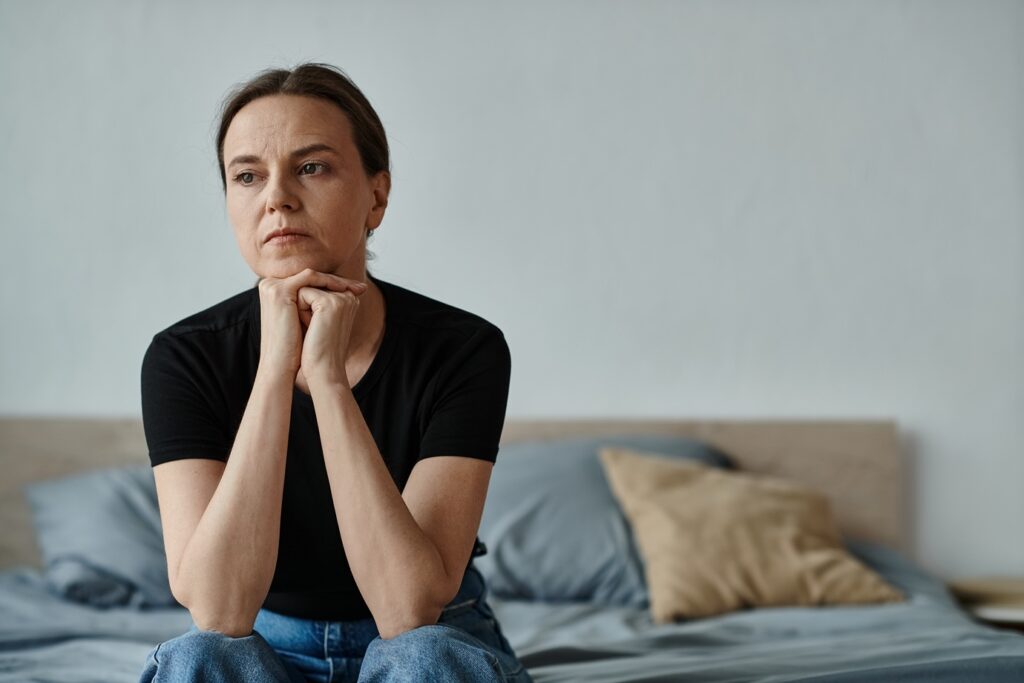
A new report on burnout in Australia’s middle-aged workforce has found women experience greater declines in wellbeing due to unpaid care and time stress.
Women in their 40s and 50s were found to be spending around 12 more hours per week on housework and care, and experience 13 per cent more time stress than men.
The statistics come from the latest report by the Bankwest Curtin, called ‘A Balancing Act: Life, work and connection in the middle years’, which analysed the pressures that Australians in their middle age face, despite having some of the greatest impacts on shaping future wellbeing for households, communities and the economy.
At age 48, one in ten women are part of the ‘sandwich generation’, meaning they’re caught between caring for both children and ageing parents, while also maintaining paid work. Women are twice as likely as men to have this experience.
Women spend around seven additional hours per week on housework and five more hours on care duties than men.
The result of this reality “is chronic time poverty that erodes both mental health and financial security,” said report lead and co-author Dr Daniel Kiely from the Bankwest Curtin Economics Centre.
“Middle-aged Australians are often seen as reliable and resilient, the people others depend on, but beneath that surface lies a patter of growing strain. The pressures of work, care and finances combine to produce chronic stress and, in some cases, burnout.”
Mental health
Dr Kiely says the mental health of midlife Australians has markedly declined over the past decade, “with self-reported wellbeing scores dropping according to the SF-36, a standard survey that tracks physical and mental health”.
“Suicide rates peak between ages 45 and 54, with men more than three times as likely as women to die by self-harm,” she says.
When it comes to mental health, middle-aged women were found to be more affected by relationship strain, caregiving burdens and persistent gender inequities, the report says.
However, women’s mental health recovery after a relationship separation averages faster than men, with women needing three years to recover, and men needing an extra two years on average.
Both women and men benefit from strong social networks and stigma-free access to mental health support in this separation period.
Single parents, particularly women, report the lowest levels of life satisfaction and the highest rates of financial stress (35 per cent), due to factors like reduced income, housing insecurity and limited time.
The report shows separation and hardship are among the most damaging major life events that midlife Australians experience, with report co-author Senior Research Fellow De Abebe Hailemariam, also from the Bankwest Curtin Economics Centre, saying “financial stress increases the likelihood of separation fourfold”.
“Relationship breakdowns, financial strain and the unpaid care burden don’t exist in isolation. They intersect in ways that shape people’s lives for years and policy responses must reflect that complexity,” says Dr Hailemariam.
What’s the solution?
With the report also showing a sharp decline in community engagement and social trust, Dr Hailemariam says “rebuilding connection through community programs, flexible work and social infrastructure is essential to sustaining wellbeing and civic participation”.
To support Australians through the middle years, the report calls for targeted policy reforms, including an expansion of mental health programs and workplace wellbeing initiatives, as well as increasing access to parenting, financial and relationship support.
Another recommendation is to introduce a universal Carer’s Card and improve access to affordable early education and care.
Expanding flexible work rights and shared care arrangements, strengthening community participation and boosting retirement security are also recommended.