
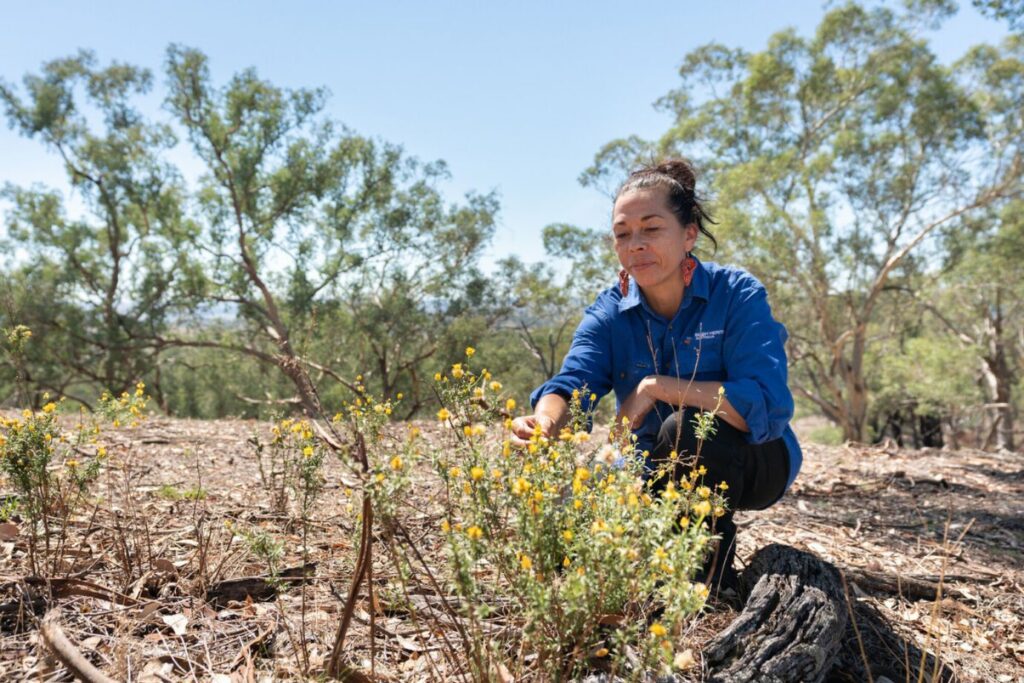
As the climate crisis continues to reshape Australia’s landscapes, communities and lives, women are at the forefront of vital responses to safeguard future generations.
This leadership is all the more important with an increasing body of research that shows women are often hit the hardest by the impacts of climate change.
UN Women has projected that by 2050, climate change may push up to 158 million more women and girls into extreme poverty, which is 16 million more than men and boys, as climate-driven impacts continue to deepen existing gender inequalities.
To showcase the important work being done for change, we are sharing a list of trailblazing women leaders to watch, in Australia, who are guiding inclusive climate action and forward-thinking strategies. Check out the list here.
“Climate change worsens inequality,” Nicola Rivers, co-CEO of Environmental Justice Australia tells Women’s Agenda.
“Women are often impacted first and hardest, particularly in low-income, regional and First Nations communities, while also carrying much of the responsibility during crises.”
“Climate action must respond to that reality. It must support the people bearing the greatest burden and put families and communities at the centre of decision-making.”
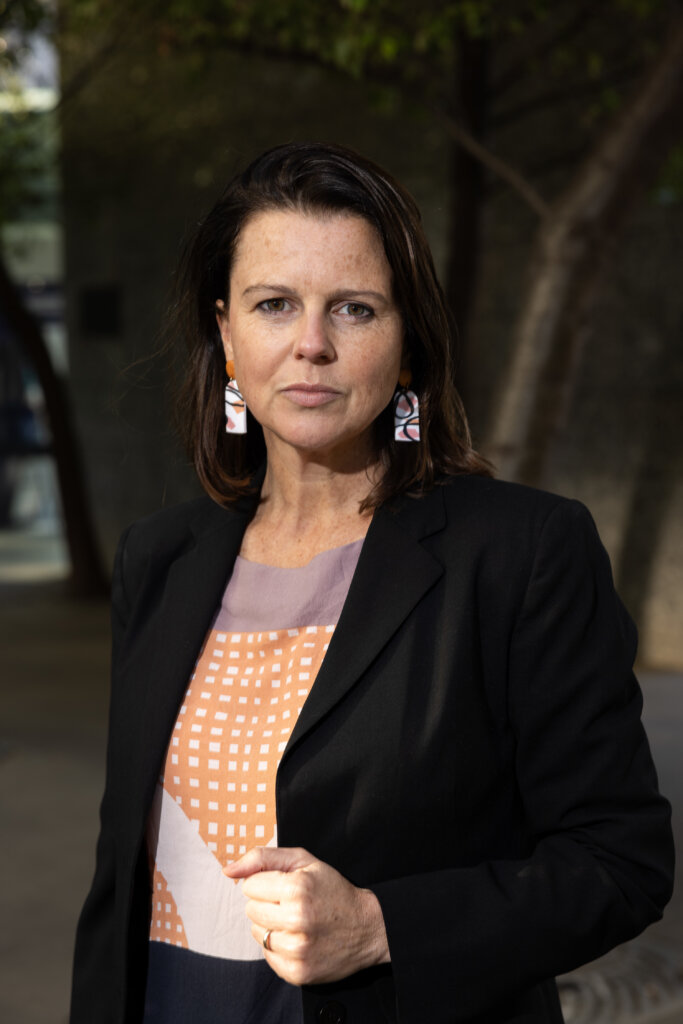
From urban policy-making to the stewardship of Country, women’s voices are central to ensuring climate action is both effective and equitable.
“When women lead and shape climate law and policy, we see a stronger focus on holding governments and fossil fuel companies to account, strengthening emissions laws and pushing for systemic reform,” says Rivers, adding that “we also see deeper focus on community wellbeing, intergenerational responsibility, and long-term thinking.”
Indigenous women’s leadership
For First Nations communities in particular, women’s leadership plays a critical role in caring for Country and sustaining culture.
This is why it’s so important for Australia to support Indigenous women’s leadership, Vikki Parsley, a proud Yuin, Walbunja Murramarang Wiradjuri woman and Aboriginal Partnerships Manager at Bush Heritage Australia, tells Women’s Agenda.
“We are the ecological knowledge holders at the heart of caring for Country. Our leadership not only sustains culture, language and biodiversity, it also strengthens climate resilience through practices refined over thousands of years.”

“This ensures the results are more holistic and place-based, creating effective conservation outcomes that invest in stronger communities, healthier landscapes, and a more integrated, innovative approach to environmental stewardship for generations to come.”

As climate risks continue to intensify, Parsley says there are a number of ways that Australia can look to better support and strengthen Indigenous women’s leadership,
This includes moving beyond “consultation” and into “genuine power-sharing” investment towards their leadership and long-term funding for community-led land and water management, says Parsley.
“Embedding cultural knowledge alongside Western science in climate policy is about shifting decision-making power, properly valuing the expertise of First Nations women, and ensuring that the benefits of this knowledge sharing also flow back to those knowledge holders and their communities.”
“Strengthening Indigenous women’s authority in caring for Country is a practical, proven climate solution that builds resilience for all Australians.”
Check out the Women’s Agenda of Women to Watch in Climate Action here.
Women’s Agenda provides independent journalism published by the 100% women owned and run Agenda Media. Subscribe to our daily newsletter, here.