
US President Donald Trump recently shared appalling racist imagery about Michelle Obama and Barack Obama. It was a moment that revealed far more than a lapse in judgement, but a profound erosion of the standards once expected from those holding the highest office.
When standards slip at the very top, behaviour we once agreed was unacceptable can begin to feel negotiable. The lines that once felt clear start to blur, and what follows rarely remains contained.
We are living in a time where trust feels weaker, public debate harsher and many people feel unsettled about where things are heading.
This is why the 2026 International Women’s Day theme, Balance the Scale, lands with such urgency. At its core, it is a powerful and necessary call to leadership.
When strong leadership falters, gender equity is under pressure
Gender equity does not exist in isolation. It sits within political structures such as economic policy and principled and accountable leadership.
When social systems and cultural norms destabilise, women and girls experience the consequences first.
Across conflict zones, for example, women and girls face distinct and heightened risks. Displacement interrupts schooling and healthcare, exposure to violence increases and communities are disrupted. Instability has a way of deepening inequality.
In Iran, women have risked their freedom to assert basic autonomy over their bodies and voices. In Afghanistan, girls have been barred from secondary education and women removed from public life. These are not symbolic setbacks. They are structural decisions that restrict participation and entrench control.
Closer to home, the imbalance is less visible but remains urgent. One woman a week continues to be killed through domestic and family violence in Australia.
These realities remind us that principled leadership has power and consequence at every level and in every community.
How leadership can ‘Balance the Scale’
When we find ourselves in a world shaped by division, leadership matters even more. When global leadership falters, it does not absolve the rest of us of responsibility. It raises the standard for those prepared to lead with integrity.
Australia has seen what that steadier form of leadership looks like. Former Australian Governor General Dame Quentin Bryce consistently used her influence to advocate for women experiencing violence and for greater representation of women in decision-making roles.
Indigenous activist Tanya Hosch has worked across sport and governance to challenge systemic exclusion and expand representation, demonstrating that structural reform is possible when leaders commit to it over the long term.
Neither relied on outrage, but both relied-on consistency, clarity and accountability. They proved that leadership is not about volume but values.
Balancing the scale begins with enforcing our values
For most of us, leadership does not unfold on a global stage. Instead, it unfolds in boardrooms, classrooms, at home, within community organisations and on worksites.
At work, it means reviewing pay equity with rigour, strengthening safe and respectful workplace policies, improving representation in leadership and governance, and intervening early when conduct erodes dignity or safety. It requires empathy that is consistent rather than selective. Courage that is steady rather than performative.
International Women’s Day should acknowledge progress and honour the women who have expanded opportunity and reshaped institutions. But it must also prompt commitments from all of us that extend well beyond a single day in March.
History rarely turns on a single headline, but it does turn on collective standards.
Holding ourselves to a higher standard
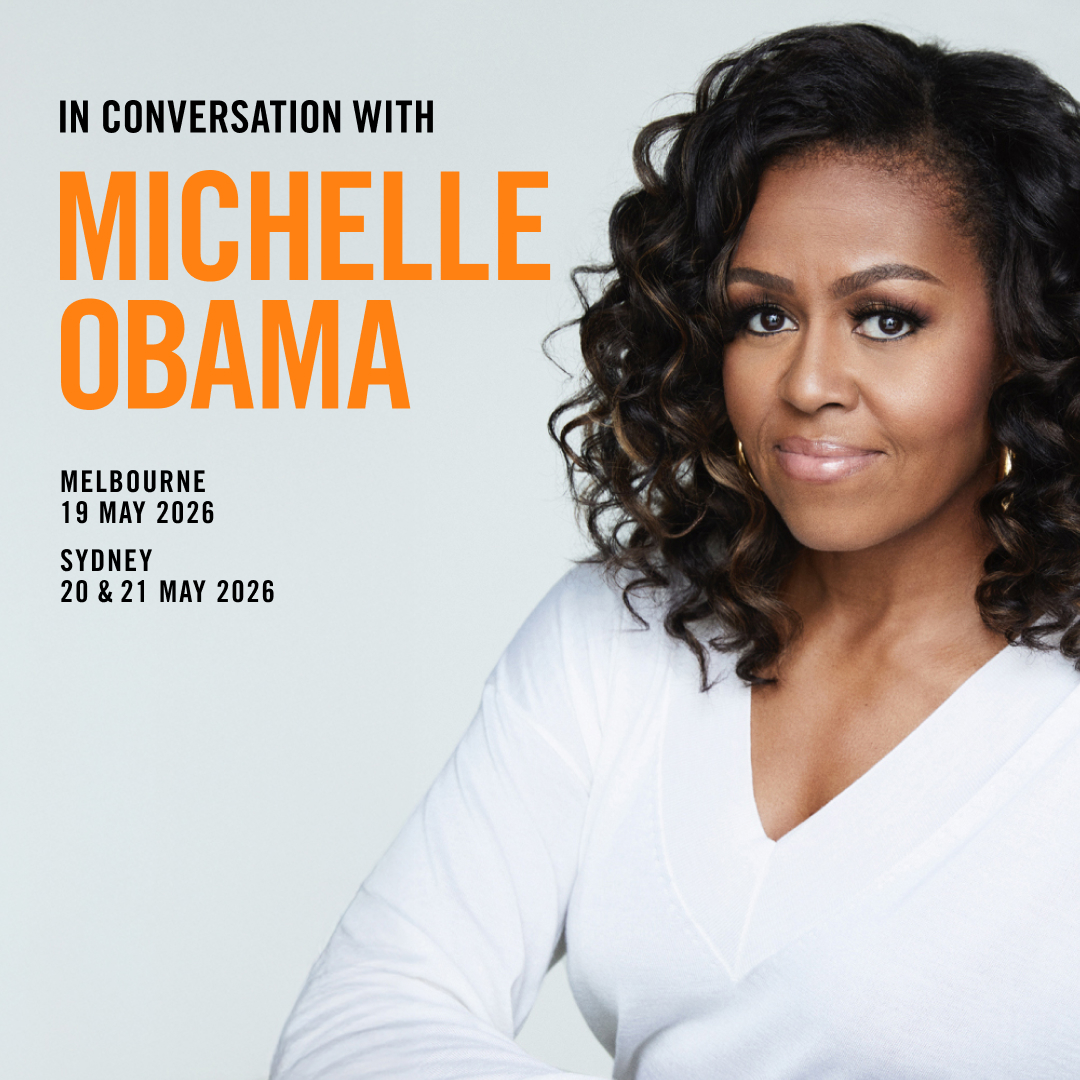
Michelle Obama, whose steadiness has long modelled a higher path, often reminds us that “when they go low, we go high”. It’s not a gesture of restraint, but a refusal to let others dictate our standards.
In moments when leadership feels fractured, we have a choice: lower the bar to meet the moment or raise it.
And women have often been the ones to show what raising it looks like. Leaders like Quentin Bryce and Tanya Hosch show what it looks like to choose the latter, so we can not only elevate gender equity, but the quality of leadership itself.
This International Women’s Day, balancing the scale begins with that choice to hold the line, even when others abandon it. The future will be shaped not by the lowest conduct we witness but by the highest conduct we insist on.