
At 10:15am she’s on hold to My Aged Care.
At 11:00am she’s presenting to the executive team.
At 2:30pm the hospital calls. Mum’s being discharged tomorrow.
At 7:00pm her adult son asks for help with rent.
She is 56. Competent, experienced, and exhausted. And she is invisible. But she is not alone.
Australia’s sandwich generation – overwhelmingly women aged 45–65 – is quietly sustaining a $77.9 billion unpaid care economy. Recent research by Carers NSW shows that two-thirds of employed caregivers reduce work hours, 38 per cent leave paid employment, and 45 per cent miss promotions while managing elder care, adult children, and demanding careers.
This is a personal crisis for many women and a structural crisis with national consequences. 2026 is a demographic inflection point, where the first Baby Boomers turn 80 this year, the first Gen Xers turn 60, and the strain on midlife caregivers is reaching a tipping point. Two generations of Australians are ageing simultaneously, and the women holding families – and the economy – together are running out of time, energy, and support. Yet for all their labour, their contribution is largely invisible.
That invisibility is the defining feature of the sandwich generation. It’s the emotional labour, the vigilance, the advocacy, the constant second-guessing. It is rarely acknowledged and almost never applauded. In Episode One of the new podcast Club Sandwich, geriatrician Dr Stephanie Ward reveals that she sees two patients: the older person, and the most often eldest daughter standing beside them. The midlife carer holding the file, remembering the medications, asking the questions, carrying the worry. “I see you,” she tells them. “You are doing an amazing job.”
That simple recognition brought tears to host Sarah Macdonald’s eyes during the recording, because so few people say it. Dr Ward’s words cut through: caring for someone, she says, is one of the most challenging things you will ever do – and one of the most magnificent. It won’t be perfect. Women, especially, are relentlessly self-critical. But if you are turning up, worrying, asking questions, wondering whether you’re getting it right – you are listening.. What you are doing matters. You are doing an awesome job.
But this is no longer a private family matter and recognition is not enough. This is a national economic and workforce story. Because that woman has many jobs.
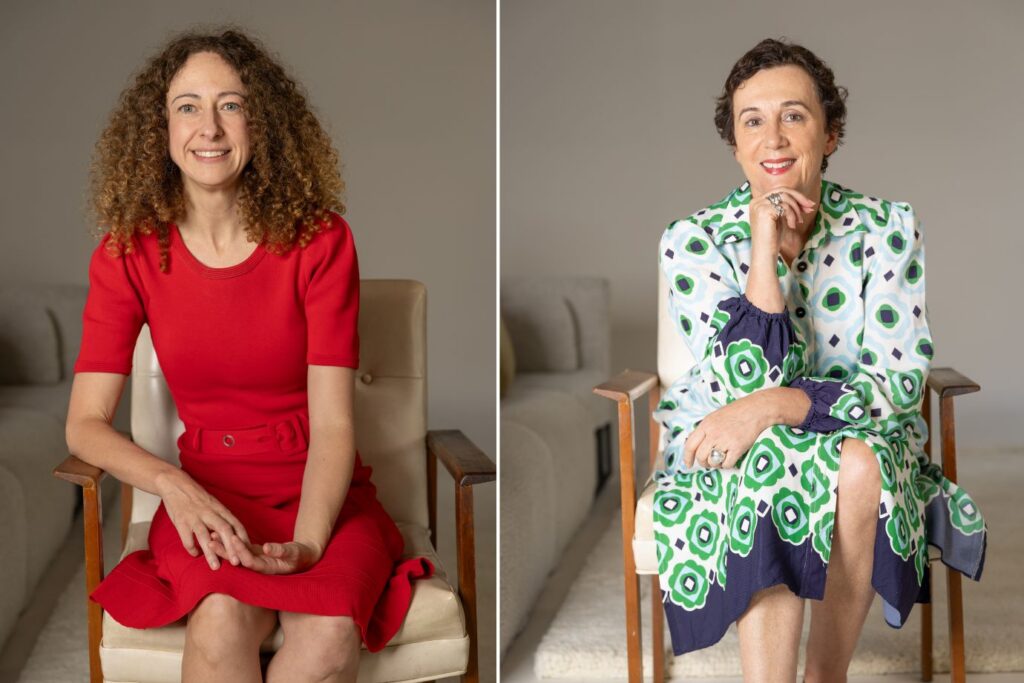
Veteran broadcaster Sarah Macdonald is one in the middle of the sandwich, caring for a 92-year-old mother and a 94-year-old mother-in-law, and young adult children while maintaining a demanding national media career.
“I’ve interviewed people with power my whole career,” says Macdonald. “But some of the hardest questions are the ones nobody’s asking about the daughters holding families together while their own lives may be quietly falling apart. That’s why we made the Club Sandwich podcast. When your kids are young you have mothers groups, school parent groups – this is the group for those navigating ‘carenting’.
Macdonald launches Club Sandwich at this critical inflection point, giving these women a national platform for the first time, pairing raw, unfiltered stories with expert insight. It’s not lifestyle fluff or aspirational self-care – it’s about equity, visibility, and showing what policymakers, employers, and society must finally address.
The workforce impact is already being felt. Caregivers reducing hours, leaving roles, or missing promotions is eroding talent pipelines, leadership diversity, and organisational knowledge. Retirement security is compromised. Household financial stability is strained. And with Australia’s over-85 population projected to grow 400 per cent by 2030, these pressures will only intensify.
The policy gap is stark. Despite the scale, there is no coherent national framework supporting unpaid family caregivers. Financial assistance, flexible work provisions, and accessible respite services remain patchy. Meanwhile, societal recognition lags far behind reality – these women are lauded privately, but largely ignored in public debate, corporate strategy, and policy development.
Day-to-day, the pressure is relentless. In messages to us, one sandwich-generation mother shared how she navigates hospital appointments, career deadlines, and her adult children’s financial crises all in a single day. Another described the constant mental load – monitoring medications, negotiating care packages, managing household budgets, and planning for her own retirement. These stories are repeated across households nationwide, yet rarely surface in boardrooms or media coverage.

The economic logic is clear. Supporting the sandwich generation isn’t a charitable gesture; it’s a productivity imperative. Without intervention, the workforce impact could hit like a shockwave: talent losses, diminished leadership capacity, and increased reliance on public services. Businesses, investors, and policymakers ignore this demographic at their peril.
Club Sandwich brings these realities into sharp relief, creating a platform where lived experience meets data, expert analysis, and practical strategies. It’s a lens through which policymakers, employers, and society can finally understand what is at stake – and what could be lost if the cohort continues to shoulder this burden in silence.
Australia’s sandwich generation is not an optional demographic; it is a structural pillar of families, communities, and the economy. Ignoring it is not just a policy blind spot – it is a looming crisis in workforce sustainability and gender equity.One in four Australians in every federal electorate is part of the sandwich generation. These midlifers are holding families, careers, and the economy together. Ignoring them is more than a policy blind spot and disinterest in middle age life.
It is a looming crisis in workforce sustainability, gender equity, and national resilience. When the sandwich generation burns out, the cost will ripple through every corner of Australia. It’s time policymakers, employers, and society stop treating their contributions as invisible, and start acting.