
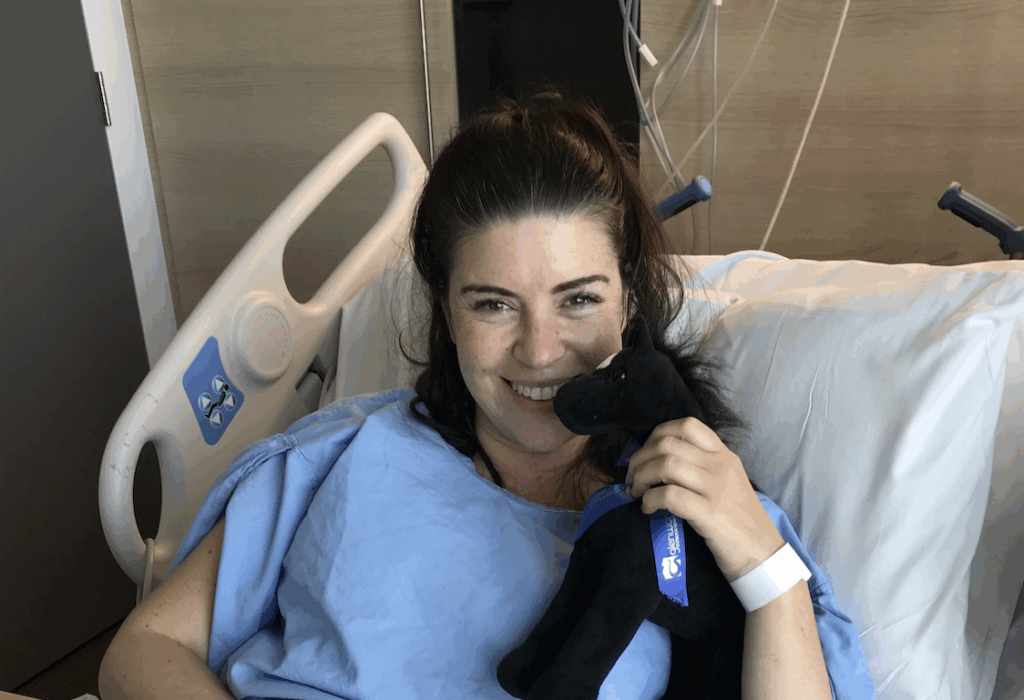
When you hear the words you are in remission, most people assume that means that you are cured from cancer and life can get back to normal. I thought that too. But remission, as great as it is, is not the end of your cancer journey. What it is, is the start of a different path that can involve ongoing health problems, mental health challenges and financial costs that never really stop.
In the five years I have been in remission from breast cancer, my health costs are much higher than they were before my diagnosis. Ongoing specialist appointments, scans, medications and chronic health problems all add up not just financially but emotionally and practically in terms of the time this can take. Then there is the health anxiety that lingers after a life-threatening diagnosis. Every ache, twinge or lump or bump anywhere can send you racing back to the doctor to investigate the possibility of a new cancer and results not only in more money spent but more stress.
In my role as the Head of research at Compare Club we investigated the hidden costs of having cancer and the results showed that my experience is far from unique. Over the past five years, about 114,662 Australian women have been diagnosed with breast cancer, an average of 56 new cases every single day. Our research of 400 women who had been diagnosed with breast cancer in the last five years found that while survival rates are improving, the financial and emotional fallout of a diagnosis remains immense.
Those costs are not small. More than a quarter of respondents diagnosed in the past five years said their total treatment costs, including hidden expenses, were between $30,000 and $50,000. The research also aligns with Zurich’s Cost of Care report, which found median out-of-pocket costs of $5,500, though the Breast Cancer Network Australia (BCNA) suggests this figure can climb as high as $25,000. Zurich’s report also estimates the average lifetime cost of breast cancer at $41,260. These are not just numbers; they represent years of ongoing bills, and financial strain that continues long after the hospital visits have ended.
Our research found that the biggest unexpected financial burdens were loss of income, mental health support and home care assistance. Returning to work is another major hurdle. Almost 70 percent of women we surveyed said they struggled to re-enter the workforce, often because of fatigue, physical limitations or mental health issues. For some, the pressure to appear “back to normal” was overwhelming. For others, their bodies simply could not do what they used to. Many never return to the same hours or roles, and the impact of that lost income and superannuation continues for years.
The personal costs are just as significant with our research finding that nearly two thirds of women said their relationships changed after diagnosis. Some said the experience brought them closer to loved ones, but 12 percent reported separation or divorce and another 8.5 percent said their diagnosis caused strain. That divorce rate is more than ten times higher than the national average.
In the social media groups I am part of for women who have survived breast cancer, there are constant posts from women who are struggling. They are struggling with mental health, with medically induced menopause, with relationships, with fatigue and with the idea that life should simply return to how it was. The expectation that recovery is complete once treatment ends does not match the reality for many of us.
While earlier detection and better treatments have improved survival rates, it is easy to forget that survival itself comes with ongoing costs. There are financial costs, but also emotional and physical ones. Surviving cancer is a lifelong balancing act between managing health, work, relationships and peace of mind.
The cancer care Australian’s receive in both the private and public system is considered world class but it’s disappointing how little ongoing support there is for life after cancer from mental health support, physiotherapy and menopause management to relationship counselling and family support programs that should also be part of post-cancer care.
For those of us who have lived through breast cancer, survival is a gift, but it is also expensive, exhausting and can be isolating. The truth is that remission is not the end of the story, it’s the start of a new one, and it deserves just as much compassion and support as the fight that came before it.