
Cracking the top ten in the World Economic Forum’s global gender equality ranking is a huge achievement for Australia, especially given where we were just 10 years ago.
But that’s no reason for complacency on gender equality, for reasons I’ll get into shortly.
The Albanese Government is proudly declaring the top ten breakthrough is a win and, to be fair, this government has delivered far more for women than the previous Coalition government, with clear “wins” it can point to including women’s health investments and extending paid parental leave to six months.
The Albanese Government has also backed the Fair Work Commission’s decisions on lifting wages across female-dominated industries, and has been willing to talk about violence against women, at one point declaring violence against women a “national crisis”.
But talking about the problem has not been enough to slow it down. So far this year, 49 women have been killed by violence, according to Sherele Moody’s Feminicide Watch.
And so far, the funding required to support frontline services responding to domestic and family violence has remained inadequate. The last Federal Budget announced no meaningful new funding.
Meanwhile, we should be concerned about some of the current threats to gender equality progress in Australia – threats that have already harmed progress internationally, to the extent that they have seen other countries falling dramatically according to the WEF’s metrics.
These threats include women’s health being meddled with at the state and territory level, such as just last night, when an Abortion Law Reform bill went to the NSW Upper House, where it was subsequently defeated.
The threats include impacts on gender equity as a result of macro forces shaping our world, including the gendered impacts of climate change and AI-related job displacement, with research showing women are more likely to be impacted. Women and girls are also being impacted by tech-facilitated abuse, including the rise of deepfake pornography and large-scale trolling campaigns targeting women running for office.
Far-right, populist movements have found success in the United States and parts of Europe, and One Nation in Australia has seen surging support, sharing a common theme of seeking to roll back women’s rights.
So what drove Australia’s jump in the rankings? Most of it came from political empowerment, which was up 8.2 points since 2025. Australia now scores full points for women in ministerial positions (ranked 1st at 45.5% ministers) and 85.2 per cent for women in parliament (ranked 10th at 46 per cent women). Australia has more than tripled its political score since 2006. Meanwhile, Australia rose 14 places on women’s economic empowerment, thanks to wages. Australia still languishes in 93rd place on health and survival and 79th on education attainment, where parity has actually gone slightly backwards over the past two decades.
Prime Minister Anthony Albanese said Australia’s top ten result indicates, “our efforts are bearing fruit”.
But he also noted, “The job is not done, and we will continue to focus our efforts on lifting wages, ending gender-based violence, increasing female representation in workplaces, investing in women’s health and more.”
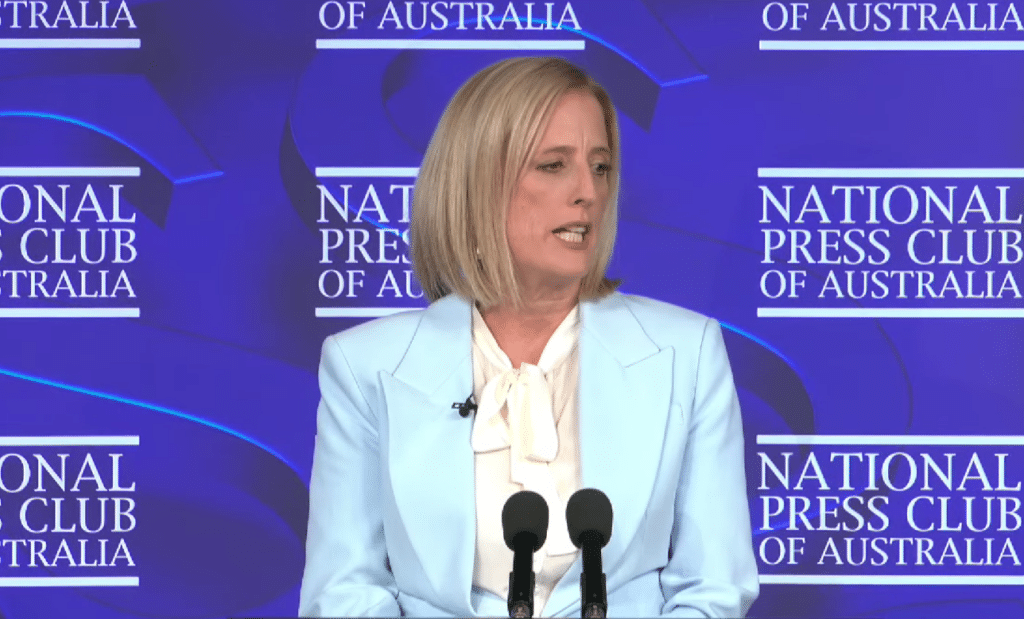
Minister for Women Katy Gallagher said they came into office committed to making Australia one of the best countries in the world for women. She said the top ten result is not an accident or wishful thinking but comes thanks to “deliberate commitment and action” from the Albanese Government.
Such commitment and action are bearing fruit. Now we’d like to see a whole lot more of it to defend what’s been achieved and push for more.