
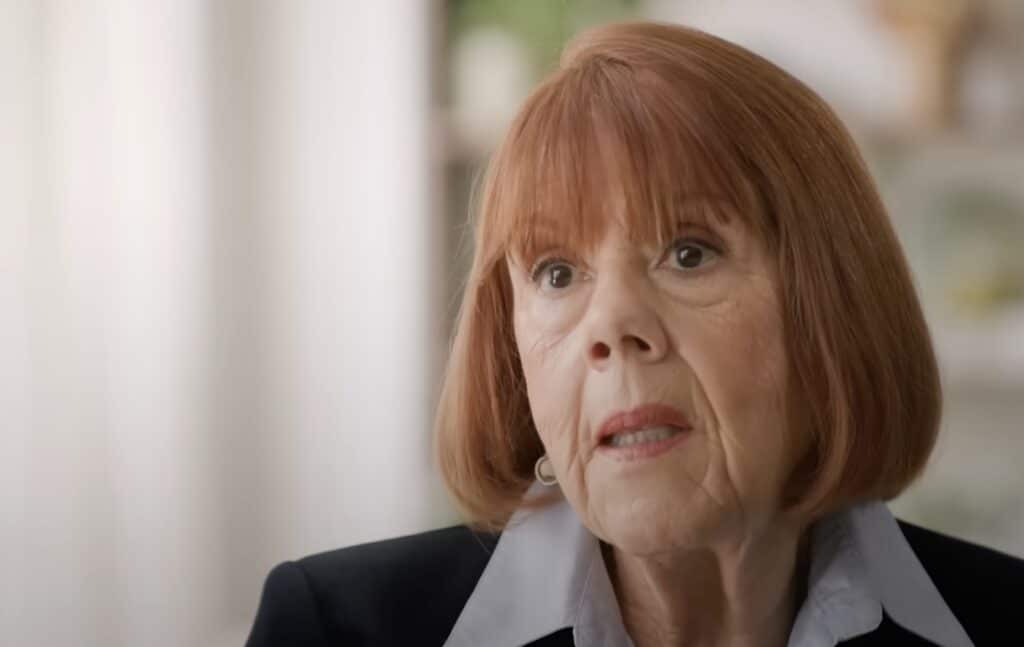
Gisèle Pelicot has taken her strength to new audiences to further her ambition of ending the shame victims of sexual assault can feel, sharing several international interviews ahead of the release of her upcoming memoir, A Hymn to Life: Shame Has to Change Sides.
At 73, Pelicot has spoken with the BBC and The New York Times for the first time since her ex-husband, Dominique Pelicot, was jailed for 20 years for drugging her and inviting more than 70 men to rape her.
Fifty men who accepted the invitation to rape and assault Pelicot were also found guilty of the attacks; a number are still yet to be identified.
Those who’ve followed Pelicot’s story and time in court will not be surprised by the courage and openness she’s shared in these just released and televised interviews, but they may be surprised by where she plans to take that strength next.
Pelicot says she will visit the prison holding her rapist ex-husband to look him “straight in the eye”.
She needs answers, especially regarding the abuse of her daughter, Caroline.
“I hope that when we’re face to face, he’ll be able to tell me the truth, both about his daughter and about everything that he’s now accused of. Maybe he’ll have some remorse. I’m still holding on to hope. Maybe I’m naive, maybe I won’t get an answer.”
Pelicot told The Daily podcast that she has written her book in the hope it will be “useful”, while also exploring the writing process to take stock of her life and try to rebuild herself from the ruins.
“When you hear the facts of the trial on September 2nd, 2020, and see this woman and wonder how she is standing after all she has been through? I needed to convey that despite all the trials I’ve been through, I am still a woman who stands tall.”
The world has watched on as Pelicot sat through multiple court cases in France and learnt the horror and sheer scale of these attacks that occurred over the years in an otherwise suburban part of France.
Pelicot said she was fortunate to have no memories of the attack.
But that she has felt incredible shame and has spent “hours in the showers trying to wash away this filth, this dirt that makes you feel dehumanised.”

Pelicot also opened up about the day she was informed of the attacks when being taken to a police station in November 2020. She thought she was there to discuss Dominique being caught filming up women’s skirts.
The police showed Pelicot a series of files and asked if she recognised herself in a photo showing a woman being raped.
She was shown a second photo—a different man, but the scene was much the same. She still said she didn’t recognise herself. The police said, “This is your room, Madame Pelicot, these are your bedside lamps … We searched your home, these are your belongings.”
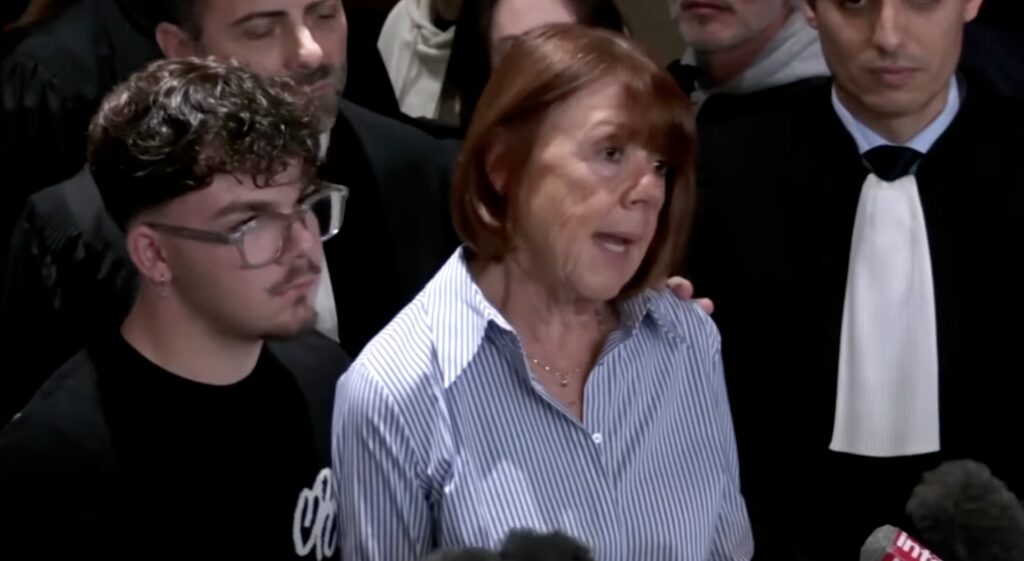
Pelicot was told she had been raped around 200 times, but she could’t see how that was possible.
Later, she was shown videos.
“I’m a rag doll. It’s as if I’ve come out of surgery, because I’m completely anaesthetised. These men, when you see what they’re doing to me — how is it possible that my body couldn’t feel anything?”
“I was a martyred woman thrown as prey to all these individuals,” she said. “I really am a survivor,” she said.
So where does her strength come from?
Pelicot told BBC Newsnight that her strength is in her “DNA”, something she further developed after experiencing multiple tragedies as a child.
“It was a descent into hell for me, but all for them… Our family was totally destroyed, we were crushed by the horror.”
Pelicot says she doesn’t carry hatred or anger, but her daughter does — and this has been hard for the two of them to reconcile. “I have neither hatred nor anger. I felt betrayed and outraged by Mr Pelicot, but that’s just how I am.”
Pelicot is also determined to hold on to the happier parts of her life. She says she was in love, something she had hoped to have in her life after seeing the strong bond between her parents, both of whom died young.
“It’s complicated now. They say love stories don’t end well, and mine ended badly, 50 years down the road. But still, I hold onto the good moments from that life.”
Pelicot spoke of her children being at the centre of her world since the birth of her first child when she was in her early 20s. She lost her mother, brother and father at a young age and felt a need “to rebuild everything I had lost.”
Pelicot’s strength lies in recognising the opportunity for her story and her courage to help others.
She spoke of the decision to give up her anonymity and invite the media into the trial, something she had initially resisted at her daughter’s suggestion. Pelicot recalled the moment something shifted within her while walking on a beach. “If I were able to do this, all victims can too,” she said.
She says she doesn’t regret the decision to go public and that, for the victims who can’t do the same, she could offer them the strength she found within herself.
“Because within us, we have resources that we don’t even suspect. And if I was able to do this, all victims can too. I am convinced of this.”