
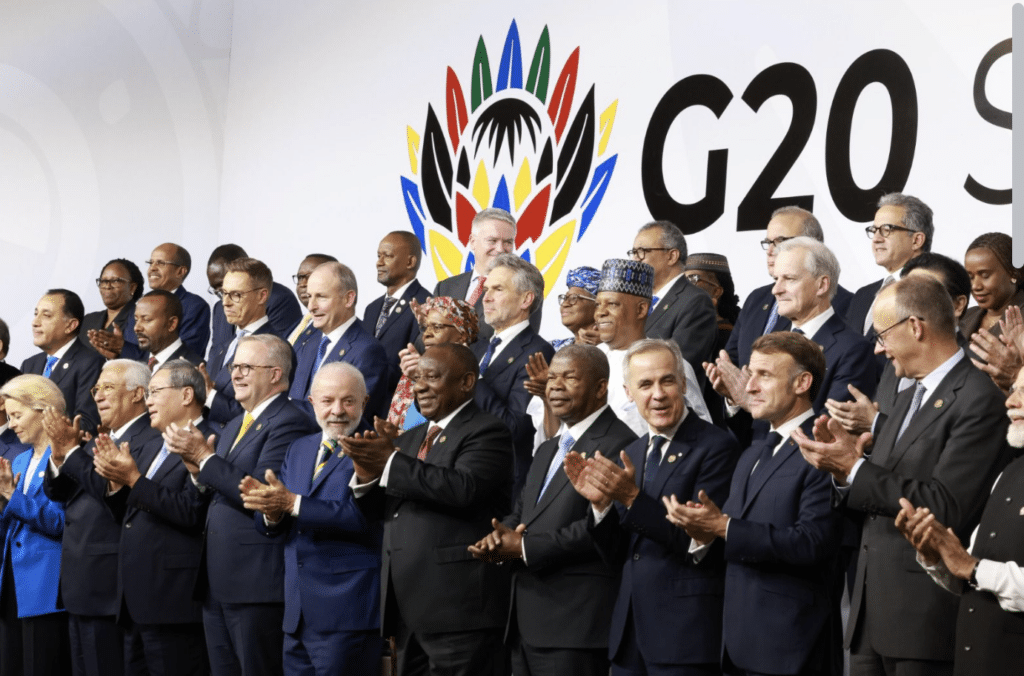
War overshadowed this week’s International Women’s Day, despite various events and activities hoping to ignore the global realities of escalating conflict, displacement, climate change and growing risks of gender-based violence on women and girls internationally.
And overall, women have very little say in how conflict plays out.
Worse, progress on the proportion of women in policymaking positions globally has slowed, according to new Inter-Parliamentary Union and UN Women data, which shared the sobering statistics this week.
Women hold just 22.4 per cent of Cabinet posts globally, an actual decrease from 23.3 per cent in 2024, and the first reversal of this number following years of gradual progress.
Women hold just 27.5 per cent of parliamentary seats worldwide (up slightly from 27.2 per cent in 2025). This 0.3 per cent increase marks the second consecutive year of the slowest growth recorded since 2017.
Just 28 countries are led by a woman head of state or government in 2026, accounting for just one in seven. 101 countries have still never had a woman leader.
I fear things will only get worse in next year’s data.
Women leaders are facing increasing intimidation and hostility online. They’re significantly more likely to be the target of deepfakes, including pornographic deepfakes, and they’re facing more hostility and attacks in the broad public too.
Overwhelmingly, deepfakes targeting women in politics are sexualized, with research indicating that 90 to 99 per cent of all online deepfake content targets women — with this non-consensual pornography harassed to try and silence these politicans.
Australia is not immune to these online and offline attacks and threats.
In February, the Australian Federal Police revealed that almost three violent or menacing threats against federal politicians are being reported to police every day. The rate of these threats has almost doubled in two years.
Globally, 76 per cent of women parliamentarians surveyed report experiencing intimidation in public compared, with 68 per cent of men.

Back to the stats on women in parliament globally and where we fare better? Women lead 90 per cent of gender-equality ministries and 73 per cent of ministries responsible for family and children’s affairs.
Men, as you might expect, are dominating across defence and home affairs portfolios.
So how do we fix this?
There is no shortage of talented women running for office. There is no shortage of ambition in women, even as the online violence, harassment and trolling of women accelerates.
But there are structural barriers, including basic barriers like discriminatory laws that stand in the way of women effectively running for office (and in some cases running for office at all). There are barriers that make political campaigns and careers more difficult for those with caring responsibilities. UN Women notes that we must work towards addressing violence against women in politics, as well as unequal access to resources for women. We also need to seriously challenge negative social norms, even as a backlash against women in power continues to gather pace.