
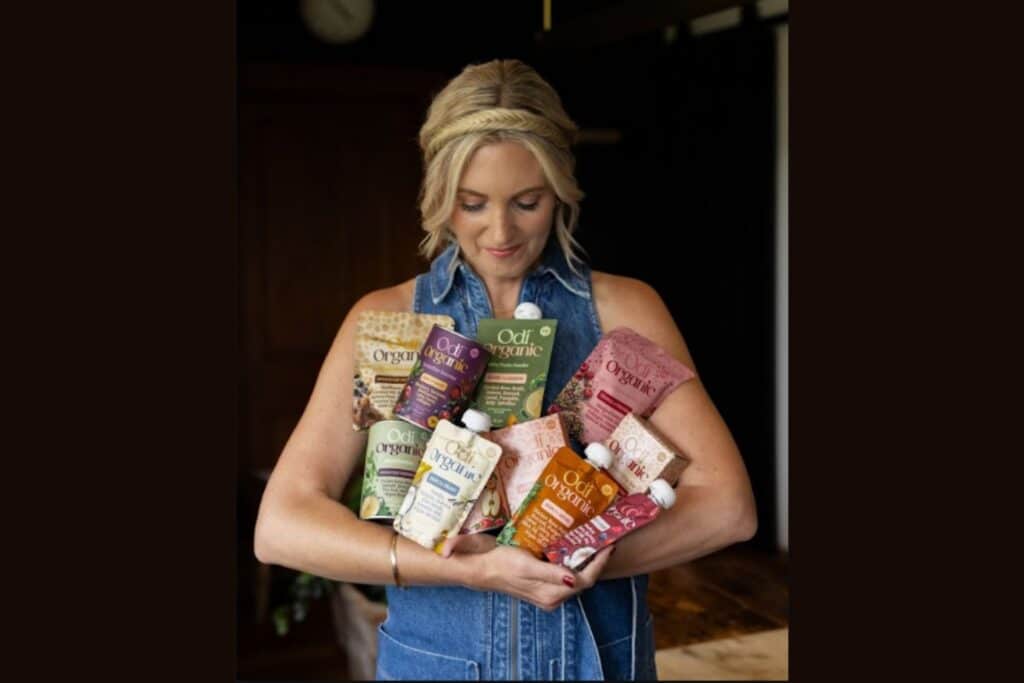
I remember looking through the baby food aisle and thinking, “Surely we can do better than this?”
I’d spent years working with families as a clinical nutritionist, talking about the importance of good nutrition for a developing baby. Then I’d walk into the supermarket and see shelves full of sweet fruit purées, with very little in the way of meaningful nutrition. It just didn’t add up.
We know so much about the importance of nutrition in early childhood. The research is there. We understand the impact that nutritional deficiencies can have on development, and we know that the first 1,000 days of life are an extraordinary window of opportunity to influence long-term health.
Yet somehow, that knowledge hadn’t really translated into the food we were making for babies. That was the beginning of Odi.
A little bit about how I got here
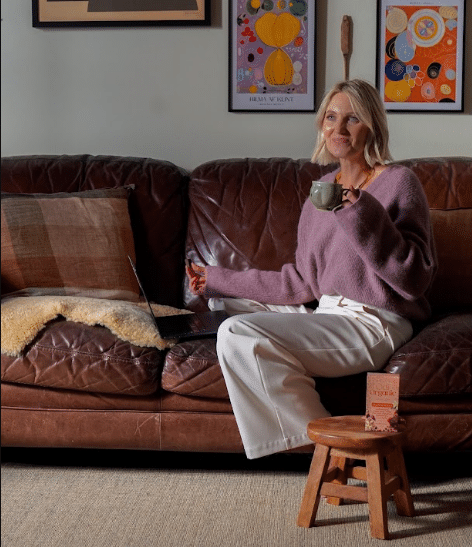
Before Odi, I spent ten years working at Mater Mothers Hospital in Brisbane, predominantly in maternity and gynaecological oncology. I loved working at the hospital, but I became increasingly interested in the role nutrition played in health, which eventually led me to study nutritional medicine. I went on to establish my own clinical practice, specialising in women’s health and infant and children’s nutrition, and spent the next decade working with families. And somewhere amongst all of that, I had four children of my own.
I think having that combination of clinical experience and motherhood has shaped the way I look at nutrition more than anything else. I understand the science. I’ve seen the clinical implications when nutritional needs aren’t being met. I’ve worked with parents who are doing everything they can to support their children’s health. But I’ve also been the mother standing in front of the fridge at 5pm with four hungry children, trying to pull something together while someone is asking where their school shoes are.
I know what it’s like to have the best intentions and then have real life get in the way. And I think that’s an important part of this conversation. We can educate parents until we’re blue in the face about the importance of nutrition, but if we’re not making nutritious food accessible and convenient, we’re missing a pretty big piece of the puzzle.
The more I looked, the more frustrated I became
When I started looking more closely at commercially available baby food, I was surprised by just how little some of it offered nutritionally. You’d pick up a pouch that looked like a beautiful savoury meal, with broccoli, spinach and carrots pictured on the front, only to discover that the majority of the product was actually apple or pear. If we’re talking about a stage of life when nutrient requirements are incredibly high, shouldn’t we be thinking about what those foods are actually contributing?
Iron was something I kept coming back to. By around six months, babies’ iron stores begin to decline, so complementary foods become increasingly important in meeting their requirements. Iron is essential for brain development, growth and cognitive function, yet so many baby foods provide very little of it. Instead, we have an abundance of sweet purées. Babies have tiny stomachs. They can’t simply eat larger portions to make up for foods that are lacking nutritionally. We need to be thinking about nutrient density and making the most of the food they are eating.
I remember thinking that if we know all of this, why isn’t it reflected in the products we’re offering parents? And why aren’t we expecting more from the companies making them?
Then there was the transparency issue
This was another part of the industry I really struggled with. I think most parents assume that if something is specifically marketed as baby food, there must be fairly robust requirements around its nutritional quality. But that isn’t necessarily the case. There is no general regulatory maximum for total sugar in baby food, and no universal requirement for every baby food product to provide meaningful amounts of essential nutrients like iron or zinc. A product can meet the legal requirements to be sold for babies while contributing very little towards some of their most important nutritional needs. When you consider how critical those early years are, I find that pretty hard to accept.
If we’re going to create products specifically for babies, surely we have a responsibility to consider more than whether they taste good, have a long shelf life and meet the minimum regulatory requirements. We should be asking whether they’re genuinely contributing to a child’s nutritional needs.

So I decided to make something different
I didn’t have grand plans to build a food company. I just knew there was a gap between what I was recommending to families in my clinic and what they could conveniently buy.
I wanted to create products that I would feel confident feeding my own children, but also recommending to the families who trusted me with their health. That was my starting point. Rather than developing a product and then working out what nutritional claims we could make about it, I wanted to approach things the other way around. Start with what babies actually need, look at the wholefood ingredients that naturally provide those nutrients, and then figure out how to turn them into something practical for everyday family life.
I want to make things easier for parents, not harder
One thing I feel really strongly about is that parents don’t need any more pressure. We’re already navigating an enormous amount of information about how to raise healthy children. What they should eat, what they shouldn’t eat, how much screen time they’re having, whether they’re getting enough sleep. The list goes on. And somewhere amongst all of that, we’re supposed to get dinner on the table.
I don’t believe good nutrition needs to be complicated, and I certainly don’t believe parents should feel guilty about using convenient food. I have four children. Convenience is very much part of my life! But I do think we should be able to expect more from convenient food, particularly when it’s being marketed to children.
Parents shouldn’t need a nutrition degree to work out whether a product is actually nourishing. They should be able to trust that the food they’re buying is what it says it is, and that the companies making it have genuinely considered the nutritional needs of the children consuming it. I think we’ve spent far too long placing the responsibility for children’s nutrition entirely on parents, without asking enough questions about the food environment we’re expecting them to navigate.
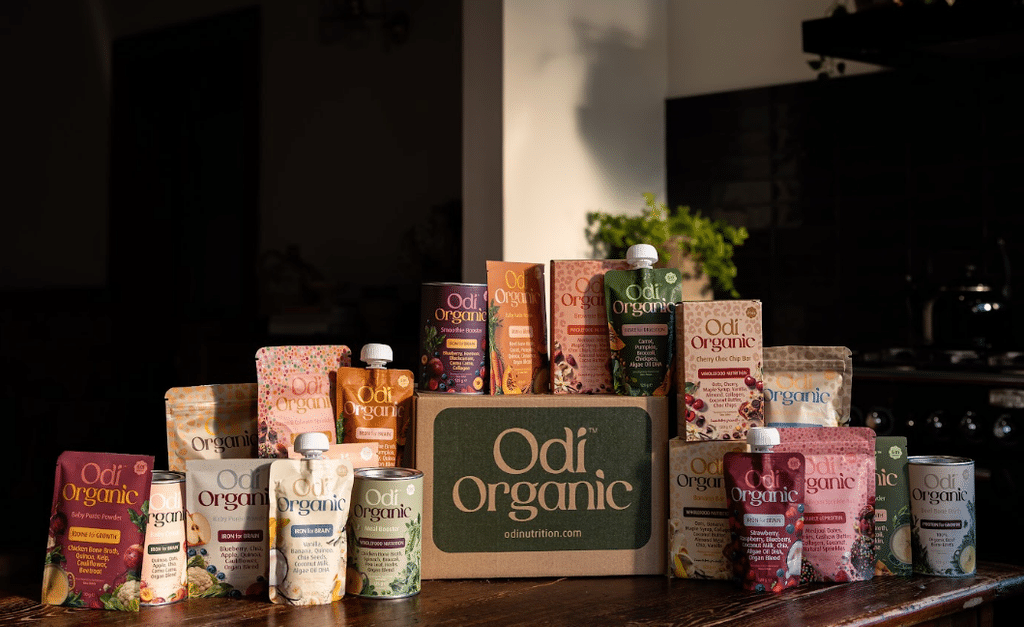
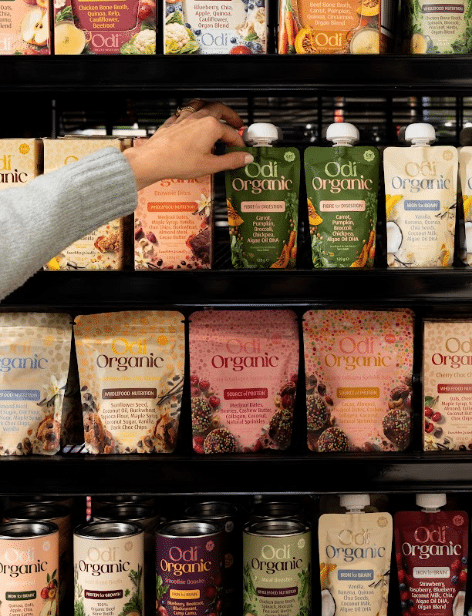
Odi is now growing across New Zealand and Australia, and we’re expanding beyond baby food into wholefood nutrition for children and families. It’s incredibly rewarding to see something that started with a frustration in my own kitchen now sitting on supermarket shelves and being enjoyed by families. But for me, this has always been about something bigger than building a food brand. I want to help change the expectations we have of children’s food. I want nutrient density to become part of the conversation, not an afterthought. I want greater transparency, better ingredients and more accountability from the companies developing products for our youngest generation. And I want parents to have access to food that makes nourishing their children easier, not another thing they have to worry about.
After ten years working at the hospital, ten years in clinical practice and raising four children, there is one thing I feel more strongly about than ever.
Nothing is more important than the health of the next generation. We have this incredible opportunity to support children’s health during some of the most important years of their lives, and I think we should be making the absolute most of it.
I didn’t start Odi because I thought the world needed another baby food brand. I started it because I thought our babies deserved better.