

Nush Freedman has spent her career in the water. A wildlife photographer and in-water cinematographer who lives on the Ningaloo Coast of Western Australia, she knows coral reefs well.
But nothing quite prepared her for a visit to Scott Reef in late 2024. It was truly on another level.
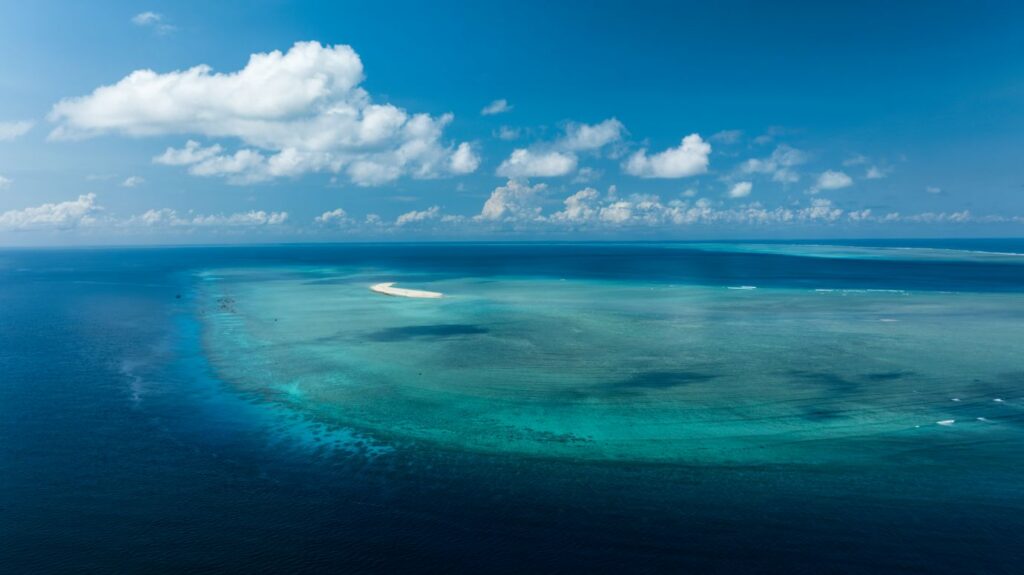
“It’s this amazing offshore reef that comes up out of deep water, and it’s just a magnet for marine life because of that,” Freedman tells Women’s Agenda.
“The reef itself is alive and buzzing. And it’s like all these little cities underwater. There’s an amazing array of different marine life.”
While many Australians have heard of, or been lucky enough to travel to, some of our more iconic reefs like Ningaloo or the Great Barrier Reef, Scott Reef is an unknown gem.
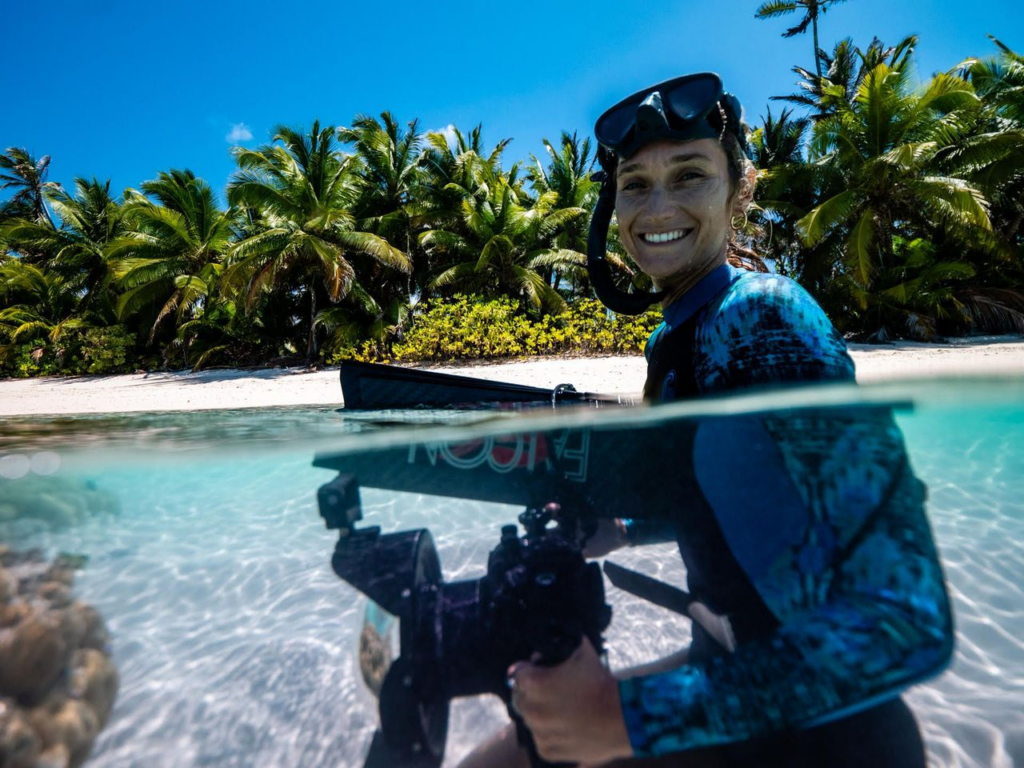
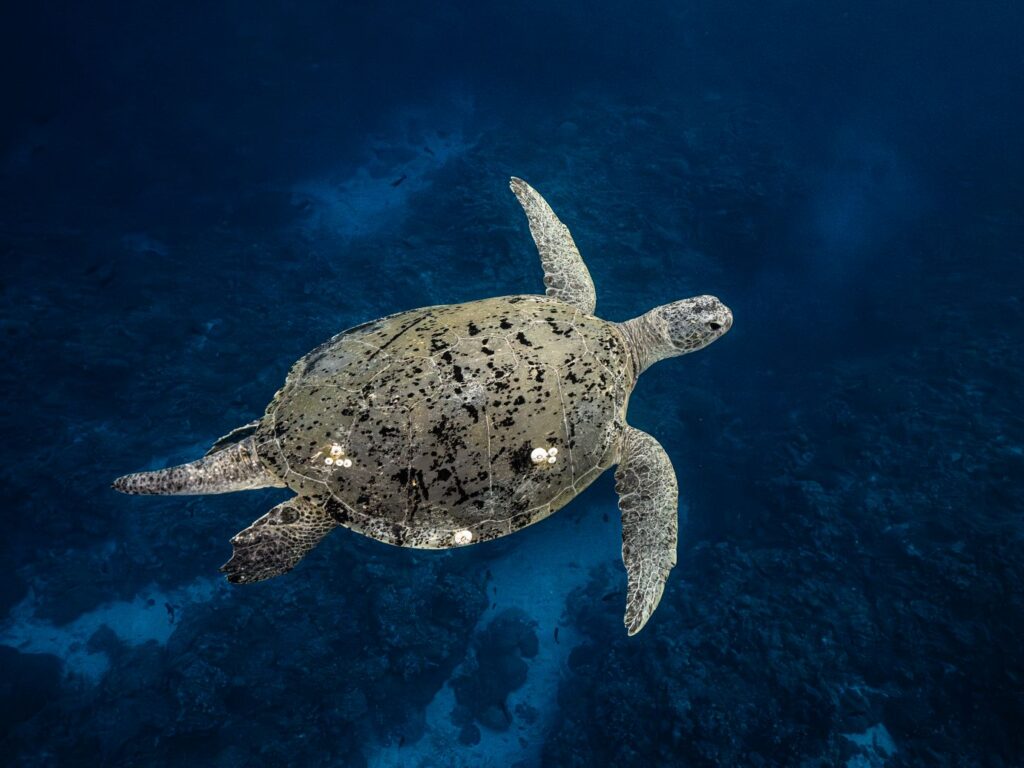
Scott Reef is home to over 1,000 species: coral polyps, fish, endangered migrating pygmy blue whales, dusty sea snakes, and green sea turtles.
All of it is now under threat from fossil fuel giant Woodside’s Browse gas proposal, which, if approved, would drill up to 50 gas wells near the reef’s fragile ecosystem. The Australian Marine Conservation Society is working as part of a coalition of environment groups across Australia to try to save Scott Reef.
Federal Environment Minister Murray Watt and Western Australian Environment Minister Matthew Swinbourn hold the power to stop it from going ahead.
The reef sits 270 kilometres off an isolated part of the Kimberley Coast in Western Australia and remains relatively untouched by humans. Freedman, who describes it as an “underwater wonderland”, is one of a small number of people lucky enough to have visited.
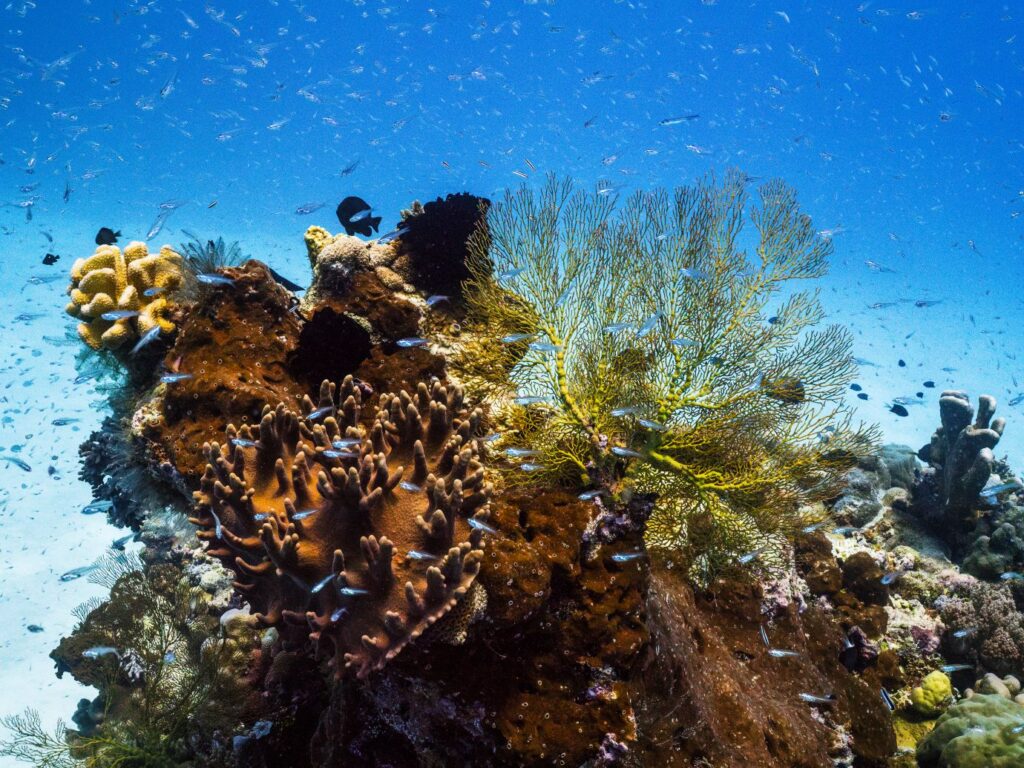
“One morning, we were up at sunrise and had the drones out really early, trying to spot wildlife,” she says.
“We spotted some manta rays swimming on the surface, feeding in the morning light. Seeing them gracefully gliding past, it was a feeling like no other.
“[I felt] lucky to witness that in the time and place and to know that such special places like this in our ocean exist.”
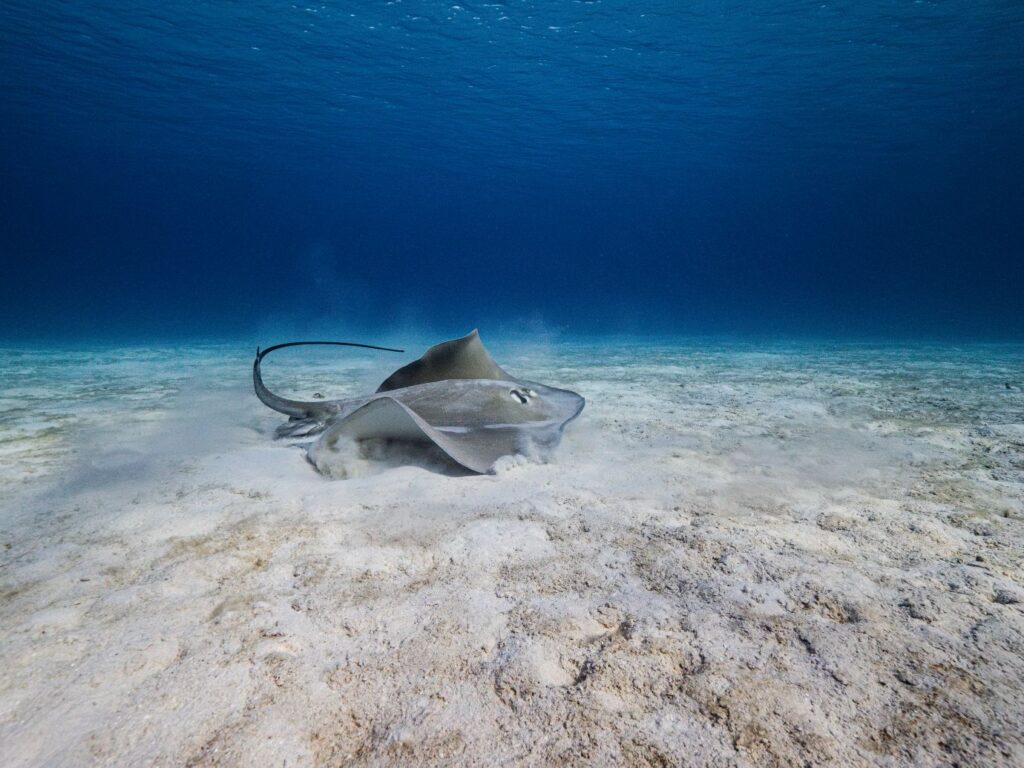
It was a moment that stayed with Freedman and helped her to understand exactly what’s at stake.
Alongside its plan to drill near the reef, Woodside also has plans to dump part of its carbon pollution under the ocean floor nearby.
Woodside and its joint venture partners’ proposal would be disastrous for the reef, locking in decades of seismic blasting, noise and light pollution, and the risk of spills and leaks. It would fuel climate change and turn the Scott Reef area into an industrial fossil fuel zone.
Sandy Islet, a nesting site for rare green turtles, could sink entirely. This is not a distant risk, Freedman explains. It is a choice being made right now.
A reef on the brink
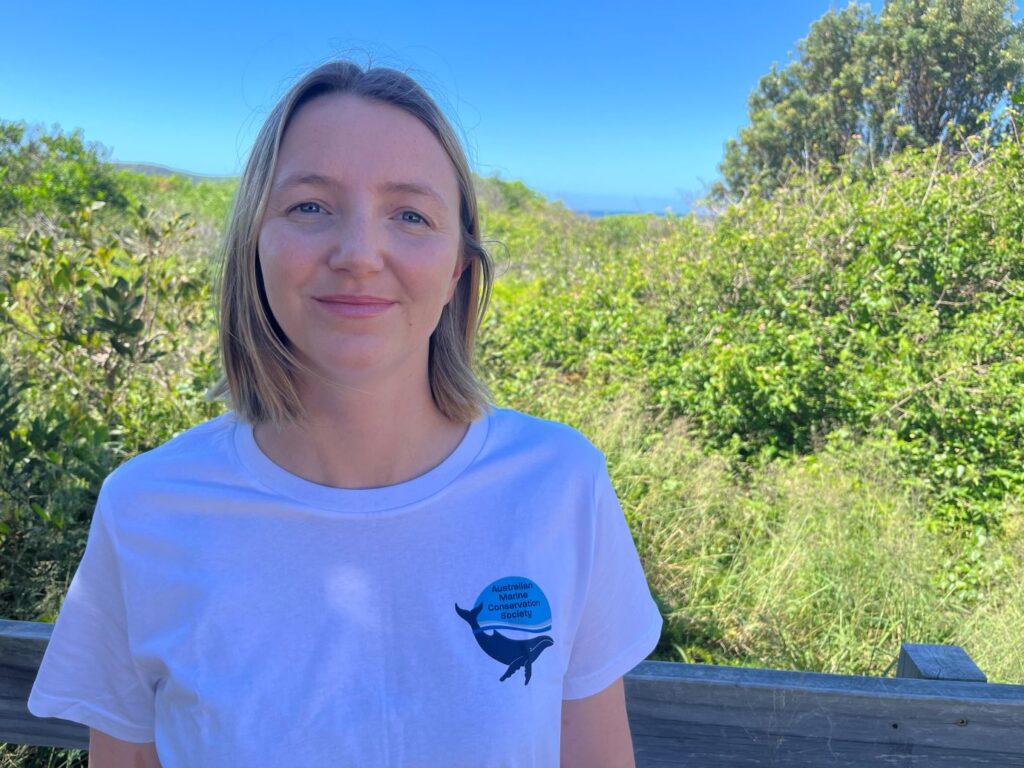
Fossil Fuels Campaign Manager at Australian Marine Conservation Society, Hannah Tait, says Scott Reef “is on the brink” due to Woodside’s proposal. If approved, it would create irreversible damage and also accelerate climate change.
Despite the immense threat it faces, Tait says the fight isn’t over.
“I really want this campaign to be a message of hope for people,” Tait says.
“This is not a done deal…if enough people join the call to save Scott Reef then Federal Environment Minister Murray Watt and Western Australian Matthew Swinbourn are much more likely to make the right decision and protect Scott Reef.”
The women fighting back
Tait, who is also a new mum, says she is more driven than ever in her work to protect nature and the ocean for future generations. The fight for Scott Reef is part of that mission.
“I look at my one-year-old son, and I want him to have the same quality of life that I’ve had, and I want him to grow up in a country where we are protecting places like Scott Reef and he can enjoy these beautiful, untouched places around the country,” she says.
“That will only happen if decision-makers today protect them for future generations.”
For Freedman, the urgency is just as personal. She has spent her career documenting Australia’s marine world, but says Scott Reef moved her in ways she didn’t expect.
She recalls filming a ‘Save Scott Reef’ flag being lifted from the water when a rare dusty sea snake swam directly up alongside it.
“It was as if the sea snake was joining in the campaign with us,” she laughs. “Saying, ‘yeah, we want this too.'”

Just because the reef is out of sight for most of us, it doesn’t mean it should be out of mind.
“Scott Reef is like a little jewel in the depths of this really big part of the ocean,” Freedman says. “Being on a coral reef is one of the only times that you feel like you’re amongst pure magic.”
“The fact that it is now under threat from such a big gas project is really scary. [I’ve seen] all of the beautiful life on the reef and some species which are found nowhere else on the planet.”
This is not a done deal
Tait is clear that we cannot underestimate the power of people to move the dial.
“If enough Australians know about Scott Reef, we can raise its profile and bring it into the national conversation,” she says.
“We have the power to persuade politicians to make the right decision to protect Scott Reef as opposed to handing it over to fossil fuel companies.”
The Western Australian Environmental Protection Authority will soon issue a recommendation on whether the Browse proposal should proceed. Final sign-off then rests with Western Australian Environment Minister Matthew Swinbourn and his federal counterpart, Murray Watt.
Tait says our voice matters, and the Australian Marine Conservation Society has made it incredibly easy to take action with this online form that sends a message straight to decision-makers
“Just picture what’s at stake,” Tait says. “And put the onus on these decision makers. Are you going to protect this reef, or are you going to put it at risk of being destroyed and become an industrial gas zone?”
You can find out more and help save Scott Reef from Woodside’s dangerous gas proposal here.