
This week, the new NDIS rules began. For many NDIS participants, that means funding for social, economic, and community participation supports will be cut by 50 per cent as their plans are reassessed or renewed.
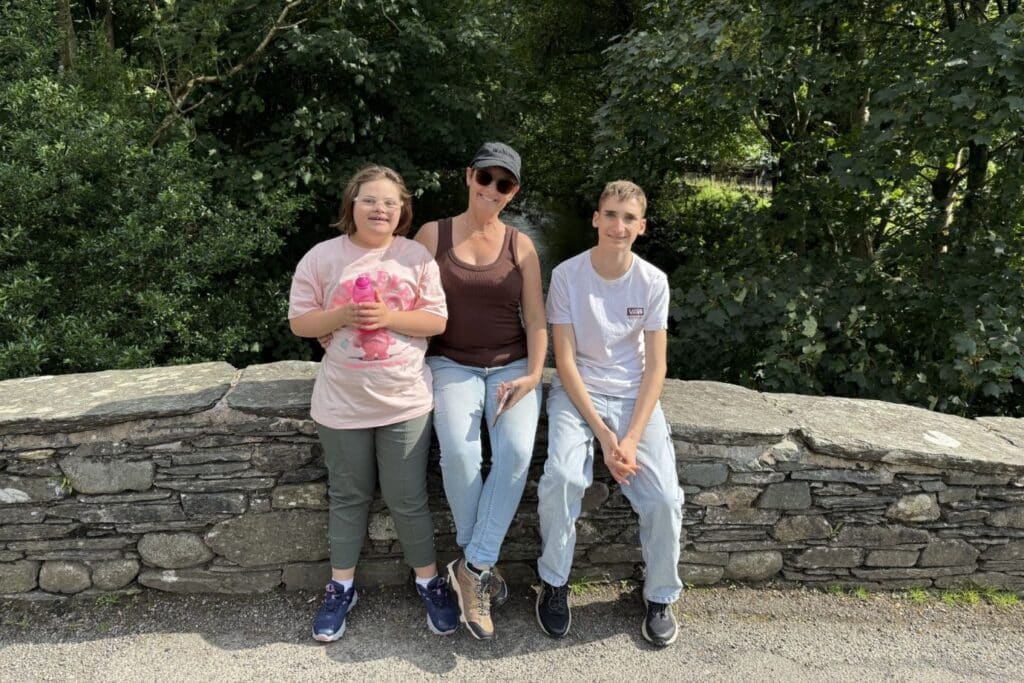
I am a parent of four, two of them teenagers with moderate intellectual disabilities that are permanent, lifelong, and shape every part of daily life. I am proud of them, grateful for them and being their mother is a complete privilege. But I want more for them than a life contained within family care.
If reform of the NDIS is to be successful, I would like to see three things happen.
- The scheme must be sustainable and focused on specialist disability supports that are genuinely required.
- There must be a clear plan for what happens outside the NDIS, with mainstream services including employers, sports clubs, social venues and community groups stepping up to provide genuine access and inclusion.
- There must be an honest recognition that we need to properly account for the economic and human cost of shifting disability support back onto families.
Because if we reduce funding without building what replaces it, we haven’t solved anything. We’ve simply moved it.
Reform is necessary. The scheme has grown enormously and citizens are right to demand public money be used well. I agree that not every support belongs in a disability system. But we make a mistake if we judge reform only by what is removed from the NDIS, because disability doesn’t disappear when funding is cut.
The need remains, and someone has to fill the gap. Overwhelmingly, that’s likely to be family.
There is a question at the heart of the NDIS that I have never found particularly comfortable: where does parental responsibility end and disability support begin? I don’t have an easy answer, although I did manage to laugh instead of cry in a recent plan review meeting by asking the planner whether their 17 year old would be happy for her to shower them. An awkward silence ensued.
My son and daughter are teenagers, and like most teenagers they want to be with their friends, not their parents. If community access supports are reduced, the cruel impact is fewer opportunities to join sport or social activities and school holidays that stretch without structure or connection.
After leaving school it might mean days stuck at home unless a parent is available. What happens when they want a job? Who helps them find work, learn the role, build confidence, manage relationships, and stay employed when things get hard?
This is not an argument for unlimited government support. It is an argument for the right support in the right places, so participation is possible.
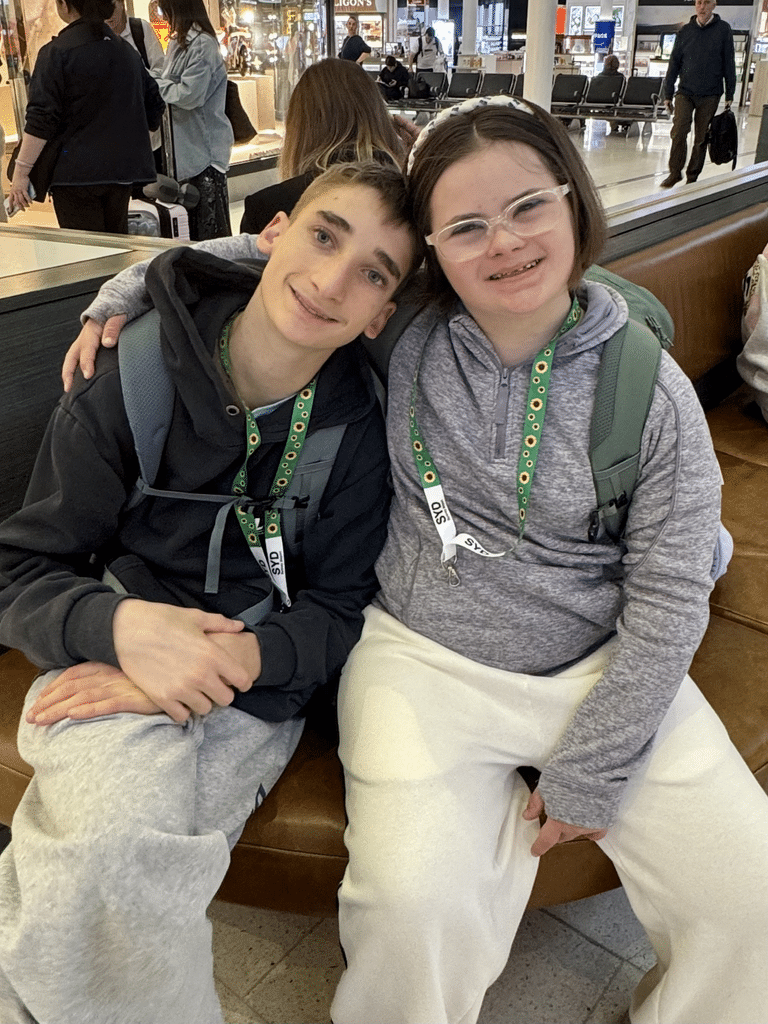
Independence for someone with an intellectual disability may not mean living alone or managing everything without help. It could be choosing what to do on a Saturday, catching a bus, going out for dinner with a friend or joining a club. Those things shouldn’t be negotiable extras; they should be part of a dignified life.
There is also an economic reality we don’t talk about enough. The Productivity Commission’s original case for the NDIS was not simply about spending more on disability. It was about achieving economic gains from greater participation: more people with disability in education, work and community life, and more carers able to remain in the workforce.

That expectation has not been realised.
Reform should ask why, and what would need to change for that to happen. It’s clear the original modelling didn’t stack up, but costs don’t disappear when support is reduced. If I cut back or leave my job to fill the gaps in my children’s support, that is an economic loss. If thousands of parents do the same, the loss is significant.
This is why the conversation about the NDIS cannot stay inside the disability ecosystem.
If government steps back, then employers, sporting clubs and community organisations need to step forward. Take cricket and netball, for example. Some states and communities seem to be able to welcome all abilities at the community level; others show passing interest. Whether cricket, netball or many other sports, it’s time for the national institutions to lift their game.
Diversity and Inclusion is not just about gender.
People with disability are not visitors in their communities. They are our neighbours, colleagues, teammates, customers and friends. Inclusion is shared work, and government cannot expect to point to community for that gap to be magically filled.
I don’t want the NDIS to be our only option. I don’t want my children to live inside a bubble of disability services. I want them in ordinary places, doing ordinary things. I want to see an NDIS that funds what genuinely requires specialist disability support and an Australia that chips in together on the rest.
I want my children to grow into adulthood with the same ordinary independence other young people take for granted.
Friendships I haven’t arranged. Places they go without me. Work that gives them purpose. Interests that belong to them alone and a life that extends beyond me.
For my children, that kind of life doesn’t happen by default.
It requires support and that is where the NDIS matters.