
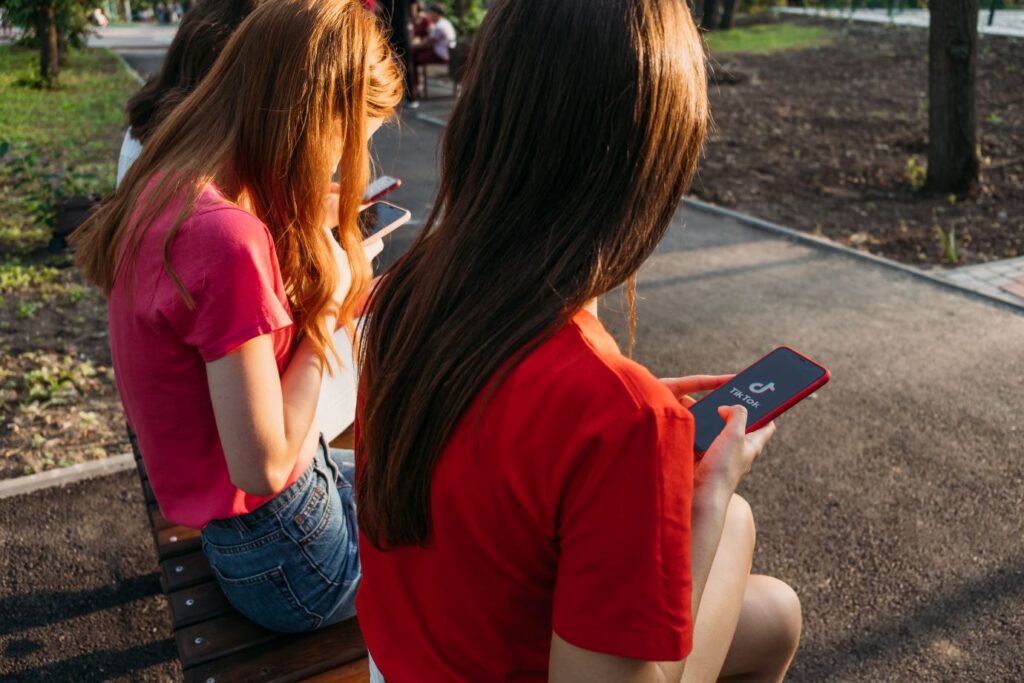
Eve Ashcroft is 14 and part of the large cohort of teens today affected by Australia’s world-first social media ban for children under 16. She believes the ban misses the mark on addressing the real issues facing all of us online, and shares this opinion piece with Women’s Agenda.
From today, across various social media platforms, children under 16 – like myself – will be prohibited from owning accounts on platforms such as YouTube, TikTok, Snapchat, and Instagram, among others.
The Australian Government says the social media ban is intended to protect the mental health and well-being of Australian children and teens. It believes social media has too many risks, such as cyberbullying, harmful content and online predators, and that these factors outweigh the benefits.
Cyberbullying can include creating false content about a person, sharing embarrassing content, posting private photos, creating fake accounts to harm someone or humiliate them, or using these apps to threaten and intimidate others.
People under the age of 16 can be exposed to pornographic material, images of self-harm, and some of my peers have witnessed a live assassination on their screens.
While these instances of exposure to inappropriate content are uncontrolled, a blanket ban on social media applications feels extreme. Introducing regulations for teens and children using these platforms, alongside more education on how to use social media safely, would be far more effective.
Social media, digital, and tech companies should be held to higher standards for removing and moderating access to harmful content to keep users safe.
For example, it is my opinion that the footage of the assassination of Charlie Kirk was available for viewing on social media platforms for too long. These social media platforms have a responsibility to remove harmful content quickly after it is identified.
On TikTok, you can still view content without an account, so children will still have access to harmful content via a simple Google search.
Many people are already finding ways around the ban, like having parents use facial recognition and using their Identification documents. If there are simple ways to bypass the law, will people comply, or will it turn into an ineffective measure?
The age restriction feels like a band-aid solution to a much bigger problem, because we’ll still face the same harms once we turn 16. I wonder if, instead of banning under-16s from social media, it would be more effective to hold digital creators and platforms to higher ethical standards in the design of their apps, and to educate children and teens on how to use social media safely. Parents and teachers also need to be educated so they can support us in staying safe online.
To keep ourselves safe when using social media, we need to know how to identify fake accounts and recognise harmful messages. What is safe to post? What isn’t? What rights do social media companies have to our images and information?

It would also be beneficial to understand the long-term effects of social media on the brain, so that we can make informed choices.
I have been attending lessons on cyberbullying since I was in year three, when iPads were incorporated into our learning. These lessons have failed to evolve with the times. In these lessons, we are taught what cyberbullying is, and if we do find ourselves a target, we should report it to an adult. Yet, we are not given practical guidance on how to use social media responsibly and safely. Education needs to be reinforced over time and evolve with technology. It requires more than a handful of lessons.
We need to be made aware that social media presents a fake reality while claiming to be “authentic”. For example, some influencers create content that is carefully curated, spending time and money and using filters and tricks to seem like they always look or act a certain way. They aren’t actually behaving in the way they claim to be. Social media influencers claim to be “real people” when, quite often, they are selling you an idea of themselves to get paid sponsorships and sell you products.
It leads people to think their lives are not enough; it leads to self-esteem issues and self-doubt. We need to be taught to distinguish what is real from what is fake.
We need to know how to process information and understand that most of the comments that are posted wouldn’t be said to you in real life. Some people think it’s funny to troll people and may not understand the consequences of their actions.
The social media ban for under 16s may aim to protect young people, but it doesn’t address the real problem.
We will still face the harms the second we turn 16, and we will still lack the skills to manage them. Rather than relying on a ban that many young people will still find ways around, the Australian Government should focus on better safety education on these social media platforms. Teaching young people how to navigate social media responsibly is a far more effective and lasting solution than simply delaying their access.