
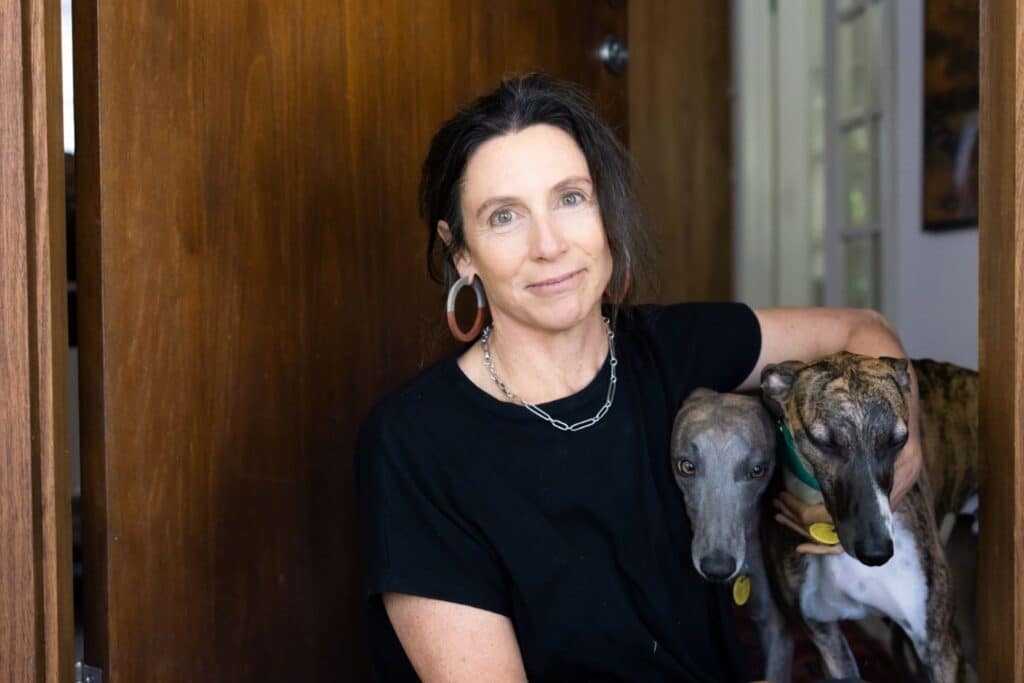
Pornography and the manosphere matter, but for many boys who become violent, the harm began years earlier at home, writes Dr Sonia Orchard, whose new book Before the Harm: Preventing Abuse, Protecting Children is out now.
In 1974, the Whitlam government established one of the most controversial inquiries Australia had ever seen: the Royal Commission on Human Relationships. Originally intended to examine abortion, its scope expanded when it became clear that abortion couldn’t be understood without examining rape, domestic violence, sexuality and child abuse.
So family relationships — the most intimate details of people’s lives — were put under the microscope. The Commission travelled the country inviting ordinary Australians to talk about what was happening inside their homes. What emerged were accounts of domestic violence, child maltreatment, sexual violence and family dysfunction.
The backlash was fierce. The state, critics argued, had no business intruding into family life. The Commission was politically damaging, yet its impact was profound. Domestic and sexual violence were dragged into the public realm and survivors gained a public voice. By 1979, more than 100 government-funded women’s refuges existed across Australia. Violence inside the home was becoming something governments were expected to address.
Yet the political anxiety at the heart of the Commission regarding how far government should intrude into family life has never disappeared.
There are good reasons for caution. For Indigenous Australians in particular, “intervention” carries a devastating history, still evident in the vastly disproportionate removal of Indigenous children from their families.
But we have ended up with a strangely binary system. Families are largely expected to manage on their own until circumstances become dangerous, abusive or criminal, when the state steps in with the blunt instruments of child protection, police and courts.
What is missing is the enormous space in between: meaningful, practical and sometimes intensive support before serious harm occurs, before children are removed, before criminal charges are laid.
And that is something we need the courage to discuss as Australia confronts another disturbing question: why are so many boys and young men becoming violent towards girls and women?
Much of the current debate focuses on pornography, social-media algorithms and the manosphere. These are important issues demanding serious attention. But there is a danger in mistaking the most visible influences for the deepest causes.
NSW’s New Street Services works therapeutically with 10-to-17-year-olds who have sexually harmed others. Most have come from out-of-home care and have experienced abuse, neglect, family violence and profound instability.
Dale Tolliday, New Street’s founder and senior clinical advisor, tells me ‘All of the traumas that we see in the kids [who arrive for treatment] predate the sexual behaviours. Where was the response to that in terms of supporting families?’ These children and their families were struggling, and the warning signs were there. What wasn’t there were services to help them.
We keep asking what is making teenage boys and young men violent. But too often we ask the question too late and provide serious help only after harm has occurred.
Pornography and misogynistic online cultures matter, but they do not land on blank slates. Children develop inside families and communities, and for many young people displaying harmful sexual behaviours, problems began much earlier, before they became teenagers and entered the online world.
This is not about blaming parents. Most caregivers want the best for their children. But trauma, mental ill-health, family violence, drug and alcohol problems, poverty, illness, exhaustion and isolation can leave parents struggling to provide everything a child needs.
The consequences of failing to support struggling families are evident. Around six in ten Australian children experience at least one form of maltreatment. Child sexual abuse affects over a quarter of all children, and most occurs not in institutions but in families, extended families and communities, including a growing amount of sexual harm between children and adolescents.
Yet acknowledging problems within families remains politically difficult. It is easier to locate danger elsewhere: in institutions, Big Tech, pornography or “monsters” in childcare centres. Those dangers are real and must be addressed, but so must the much more uncomfortable reality that children are mostly harmed within families and communities, and that unsupported trauma and behavioural problems do not simply disappear as children grow older.
The Royal Commission on Human Relationships brought some of the darkest realities of “private” life into public view and transformed our understanding of domestic violence, child abuse and sexuality. Yet fifty years later, we still too often abandon families to cope until children are removed or charges are laid.
It doesn’t have to be this way. We know of interventions that do help: intensive home-visiting and family-support programs, child and adolescent therapeutic services, and early intervention for children displaying concerning sexual behaviours. These are not paternalistic interventions. They are prevention. And they are not available for most families who need them.
And this matters enormously if we seriously want to tackle violence against women and girls.
Social-media platforms need regulation. The manosphere needs to be challenged. Children’s exposure to violent pornography needs to be restricted. But if we genuinely want to understand why some boys become violent, we also have to look further upstream to what was happening in their lives years before the violence emerged.
These should not be politically dangerous questions. And we need the courage to ask them — not so the state can take greater control of family life, but so children and families can receive support when they need it, rather than waiting until someone — too often a girl or young woman — is harmed before anyone comes to help.