
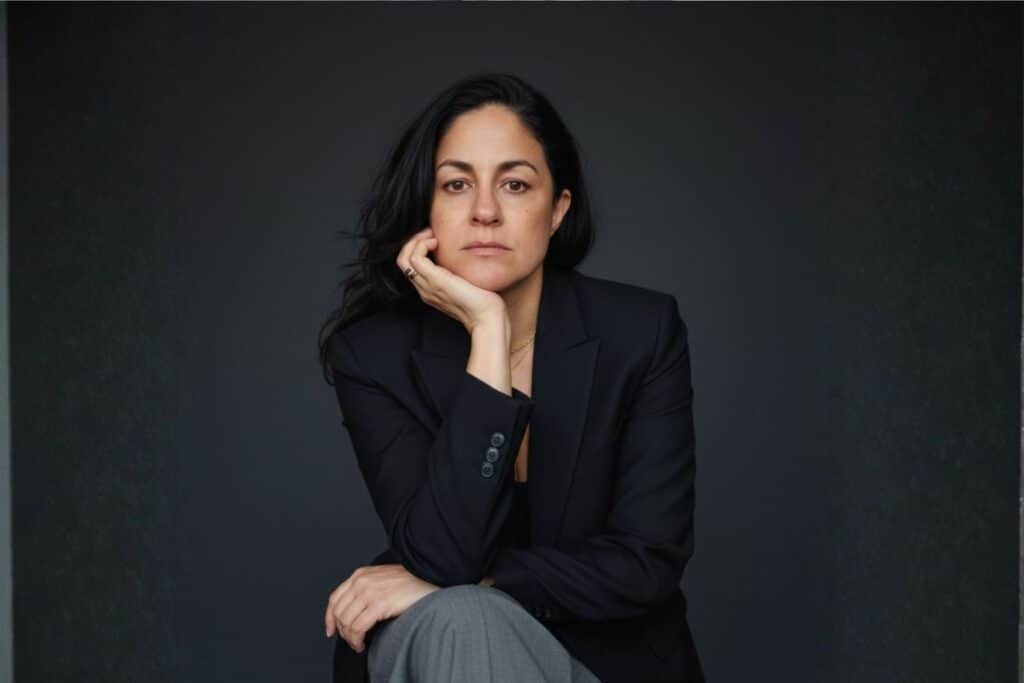
Two weeks after the US ordered an unprecedented military attack in Venezuela, killing at least 40 and capturing President Nicolas Maduro and his wife Cilia Flores to face charges in the United States, Fabiola Campbell from Professional Migrant Women shares the complex relief she feels. Fabiola grew up in Venezuela before moving to Melbourne and still has close family members in Venezuela.
Many people in the international community have asked us a simple question these past days:
Are you happy with what is happening in Venezuela?
And my answer surprises them.
It is a resounding yes. Yes, wrapped in uncertainty. Yes, trembling with fear. Yes, filled with a hope we had not felt even a few weeks ago.
Because for the first time in years, the oppressive, brutal, dehumanising regime that kidnapped our country, tortured our people, impoverished our families, and let our children die from hunger and preventable illness has been struck at its core.
What the world sees as instability, we feel as relief. What others fear as disruption, we experience as the release of a deadly grip around our throats.
Last Saturday, Venezuela breathed again. Maybe just for a moment. But it was a real breath. And when you have been suffocating for decades, even a single breath feels like life returning.
Before I share opinions, I want to ground this moment in facts.
Today, in Venezuela, there are over 800 political prisoners. More than 60 people have simply disappeared, erased by the state.
Since the last fraudulent election alone, more than 2,400 Venezuelans have been arbitrarily arrested for demanding their rights.
In July 2024, at least 30 people were killed in post-election repression, some of them while already in state custody.
There are 84 foreign nationals imprisoned in Venezuela, hostages of a regime that uses human lives as bargaining chips.
Nearly 7.9 million Venezuelans have been forced to flee their country, creating the largest displacement crisis in the history of the Western Hemisphere. Another 7.6 million people still inside Venezuela need urgent humanitarian assistance just to survive.
Hunger is no longer an exception in Venezuela; it is the norm. 5.1 million people urgently need food, yet aid reaches only a fraction of them.
According to Venezuela’s own living conditions survey, 73 per cent of Venezuelans live in poverty, 36 per cent in extreme poverty, and more than 40 per cent report running out of food at home.
These are not numbers from a war zone. These are the results of a political decision.
And yet, I must remind you again:
There is a difference between knowing these things and experiencing them.
Experiencing is remembering the face of someone you loved who never came home. It is being in a peaceful march and realising you survived because the bullet missed you. It is leaving your country knowing that, under this regime, you may never return. It is crying for every life lost simply for demanding freedom. It is burying parents from afar. It is watching your children grow without their roots, their grandparents, their homeland. It is missing Christmas, birthdays, graduations, and final goodbyes.
This is what those statistics feel like.
And so while those of us in the international community are not celebrating violence, we are recognising something profoundly human:
our cry for help was heard.
Now the question is no longer whether the world understands Venezuela. The question is whether the world will stand with Venezuela.
Because neutrality in the face of oppression is not balance, it is abandonment.
So please, do not look away now and do not hide behind legal abstractions while human beings suffer.
Stand with the Venezuelan people. Stand with life and stand with freedom.
This is not only Venezuela’s fight, it’s also a fight for human dignity everywhere.