
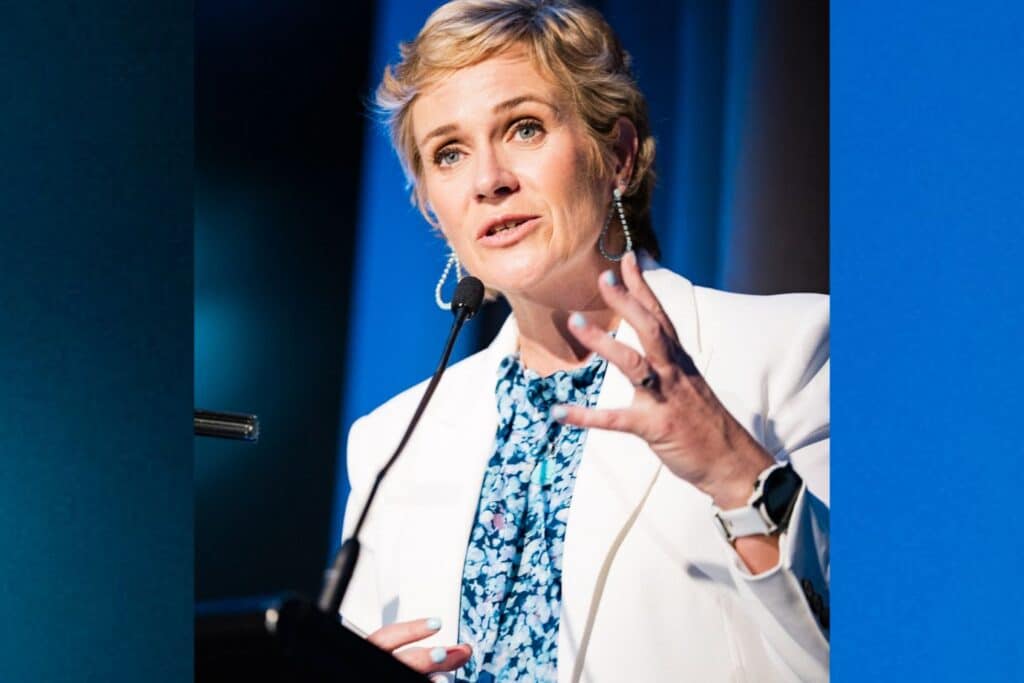
As gambling losses have surged, governments have delayed reform and allowed online sports betting to expand largely unchecked, writes Independent member for Warringah, Zali Steggall,
The harms extend well beyond financial stress. Gambling contributes to mental illness, relationship breakdown and family violence, often alongside alcohol abuse. Partners, children and families are collateral damage.
Picture a young man. He is 23 and started sports betting at university. When he and his mates got together, they used their phones to bet on NRL games. At first it felt harmless – $10 here and there. It made watching sport more exciting and helped him feel part of the group. But within a year, he was betting daily on multiple sports, telling himself he would stop once he recouped his losses. Instead, he began chasing them.
When he watched a game, a gambling ad hit him every few minutes. Even his favourite players were there on screen, urging him to place another bet. Soon he was betting most nights, alone in his bedroom. His casual wages disappeared within days. He took out a credit card, then another. He began asking his parents for money and lying about why.
He became depressed, then suicidal. At first, he couldn’t tell anyone. But eventually, in desperation, he reached out to a gambling support service. Counsellors helped him face the truth: he was addicted, deeply in debt, and the big win he imagined would never come.
Australia has lost control of gambling. In 2024 alone, Australian gamblers lost $31.5 billion – more than any other country in the world – and a growing share comes from online sports betting. Gambling counsellors in my electorate say the typical young man they see looks very much like the one in the example above.
This sitting fortnight, Parliament will debate legislation the Albanese government has proposed to tackle problem gambling. The measures are woeful and weak. In 2023, an inquiry led by late Labor senator Peta Murphy recommended 31 urgent reforms, including a phased ban on online gambling advertising. But the government has proposed only modest restrictions on gambling advertising – despite research showing partial measures simply do not work.
What’s more, the government has ignored calls to establish a national gambling regulator, and has barely tackled the fastest-growing and most harmful form of gambling promotion: online advertising.
Sports betting in Australia grew more than 57 per cent between 2015 and 2022, and the trend continues to surge, along with the rapidly expanding numbers of digital betting platforms. What was once a casual add-on to watching a game has become a highly manipulative, 24-7 system designed to extract money – particularly from young men, who are taking sports betting up faster than any other group. A significant proportion have become problem gamblers.
This situation is not an accident. It is the result of political choices. As gambling losses have surged, governments have delayed reform and allowed online sports betting to expand largely unchecked. The harms extend well beyond financial stress. Gambling contributes to mental illness, relationship breakdown and family violence, often alongside alcohol abuse. Partners, children and families are collateral damage.
Most Australians support stronger gambling regulation. Research shows a majority believe governments should take the lead in restricting gambling advertising, and many support a full ban. Feedback from my electorate also shows public momentum for change is building.
All this begs a serious question: why is the federal government letting this happen? It may have something to do with the substantial political donations and gifts the gambling industry showers on both major parties – and the 280 lobbyists on the federal register who hail from the gambling industry.

The Albanese government wants to push its gambling legislation through the Senate this sitting fortnight. It is reportedly seeking to strike a deal with the Coalition to secure passage.
But it’s not too late for the government to find its conscience and fix this poor legislation.
The crossbench has proposed a range of excellent amendments that would ensure these laws go further to stamp out the scourge of problem gambling. My amendments include establishing a national gambling regulator and ombudsman, and preventing gambling companies from paying commissions to staff, affiliates and other third parties in exchange for referring gamblers.
For too long, the interests of the gambling industry have been put ahead of the wellbeing of Australians. That must change. The evidence is clear, the harm is undeniable, and the solutions are already on the table. What remains is the courage to stand up to a powerful industry and act in the public interest.