
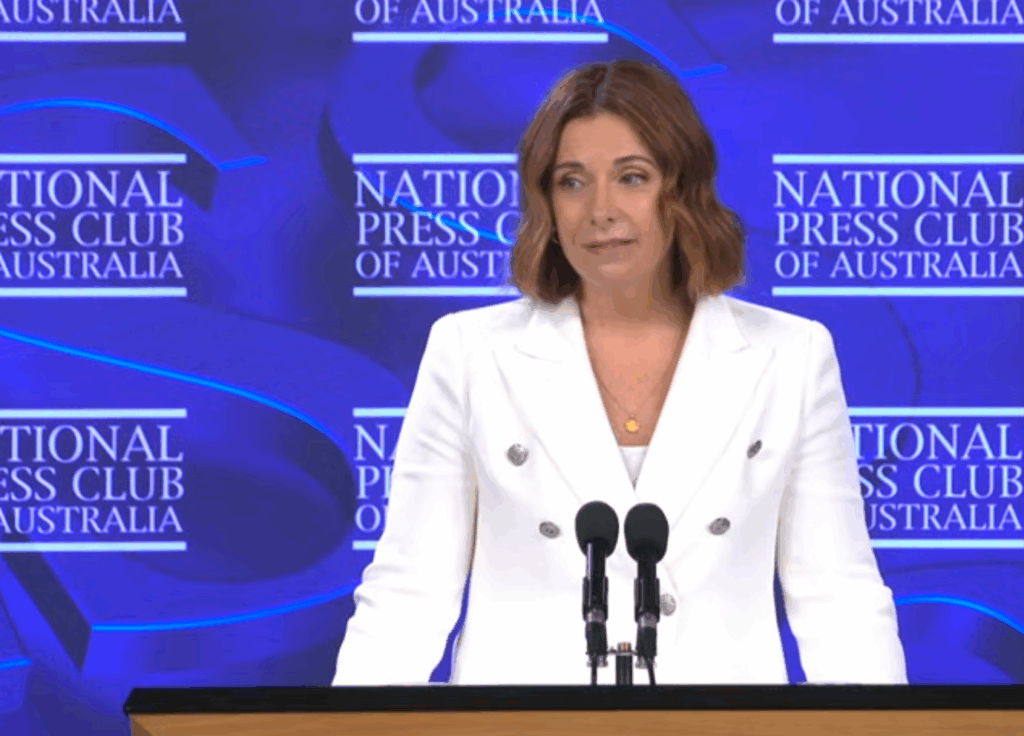
When the headlines landed last week about Communications Minister Anika Wells’ travel expenses, the reaction was swift and familiar; a mix of shock, indignation, and frustration stemmed from provoking headlines. Nearly $100,000 in flights for a New York trip for three people, plus additional travel connected to family time and work commitments in Thredbo, is a lot for anyone to digest in a cost-of-living crisis.
The PM defended her, suggesting nothing Wells had done was strictly outside the rules. Ministers are allowed to fly business class. Their staff can too, when it enables their work. International travel for ministers is not a leisure activity, it’s part of the job and sometimes, because of shifting schedules or major events at home, that job requires last-minute changes that make already expensive flights even more expensive.
This is true, and it’s not unique to Wells, and it’s not unique to Australia. I don’t know a single country where a Federal Minister flies economy on long-haul international work travel with their team.
Still, even if the guidelines allow it, Australians reasonably expect their elected leaders to treat public money the way they’d treat their own household budgets. And that’s fair. As a small business owner, I fly regularly, but I’m not choosing the most expensive option just because it exists. I’m balancing it against wages, resources, and all the other pressures that come with running something bigger than myself. People want to see the same mindset from politicians, especially when it’s our money footing the bill. It’s not penny-pinching, but simply a sense that someone is looking at the numbers and exercising restraint where they can.
There’s space to acknowledge that, while also recognising that Anika Wells is doing her job well, and doing it under circumstances that many of her critics have never had to navigate. She’s a young mum in one of the most demanding roles. She’s overseeing major, global-first legislation at the moment with the government’s teen social media ban.
And if we genuinely want a parliament that looks like the communities it represents–diverse in age, gender, family structure and lived experience — then we have to accept that the old model of political work doesn’t gel anymore. We can’t keep holding up a standard that says leaders should effectively sacrifice personal and family wellbeing at the altar of optics.
If we want young mothers and fathers in politics, then the system has to accommodate that. That might mean family travel. It might mean additional support. It definitely means more flexibility.
I get that for many Australians, that idea feels uncomfortable because politics has been dominated for so long by people whose lives fit neatly into the traditional “work first, everything else second” mould. But that mould excludes huge parts of the population and it importantly excludes talent.
I honestly believe that Anika Wells is a more effective minister because she is creating conditions that allow her to both parent and perform. Anyone in a high-pressure job knows that you can only be good at it when life outside that job isn’t falling apart. I don’t see that as an indulgence, but more so as responsible leadership. We should want ministers who are supported, rested, and able to sustain the workload, not ones who burn out or drop out because the system isn’t designed for them.
When former NZ Prime Minister Jacinda Ardern was pregnant with her daughter Neve, she kept it secret for 20 weeks. She endured horrible morning sickness and exhaustion, but refused to say a word because she knew the judgement that would befall her. It’s fair to assume that in her role as PM, that fear of judgement followed her. She resigned as Prime Minister in 2023 citing that she simply didn’t have “enough in the tank” to carry on. It begs the question: could she have had enough in the tank, if she’d simply been able to lead in a way that was more flexible and forgiving on her being a mother?
Yes, politicians need to be careful with public money. Yes, they need to demonstrate good judgment. But they also need the flexibility to do their jobs well, and that includes acknowledging that their lives, like everyone else’s, don’t pause because they’ve taken on a big role.
We can have a conversation about guidelines and scrutiny without pretending that Wells has broken rules she hasn’t. And we can talk about value for money while still recognising that her presence, as a young mother in a senior cabinet role, is itself something Australians have called for loudly for years. If we make the job impossible for the very people we say we want in these roles, we’ll end up right back where we started: with a parliament full of people who can “work” 24/7 because they have nothing else to juggle. And I don’t think any of us want that.