
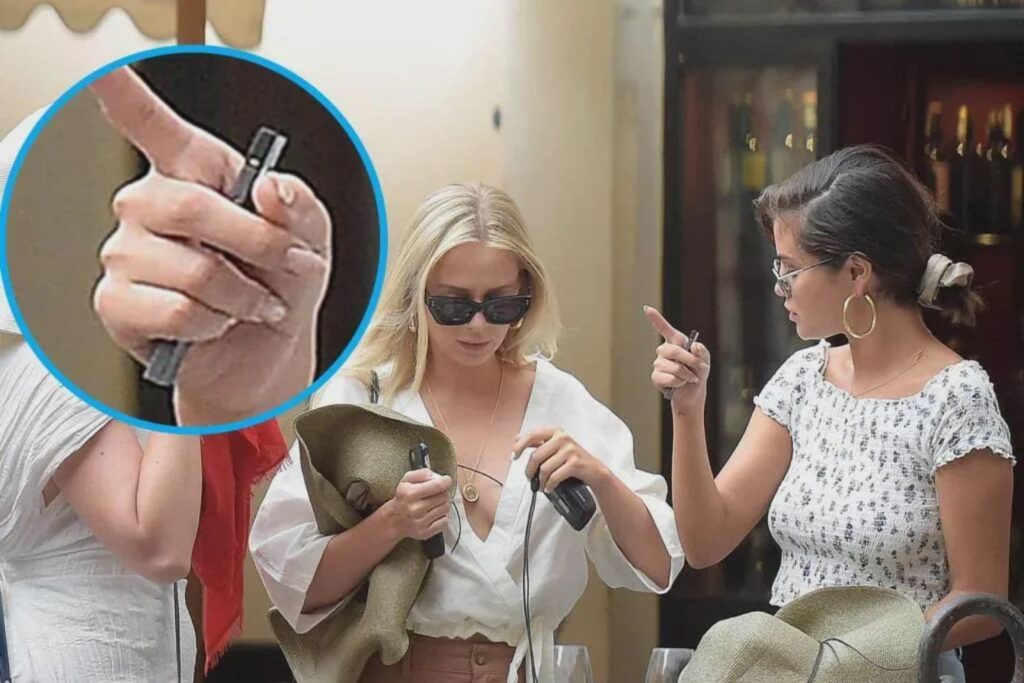
I am currently waiting on two organs from a deceased donor, a pancreas and a kidney. I have been waiting for two years. So when the internet lit up over videos that appear to show Selena Gomez vaping after receiving a kidney transplant, I paid attention. Australian women’s media and influencers did too. We do not know what she was vaping and the effect on her health but the discourse still went wild.
An influential women’s podcast made the comment “personally I think she should do what she wants, it’s her kidney” another journalist asked a better question: “if you receive a loved one’s organ, do you owe them a certain kind of lifestyle”?. However she followed it up with “let her do what she likes.” It sounds compassionate – with body autonomy at the centre – but it also skips a hard public health context.
I write this piece out of pure love and a wish to improve women’s health – starting with women. And women with influence have the capacity to help us even more.
Why women’s health matters
And when it comes to women and our health we already are dealing with the results of years of reduced amounts of research; and the stats that show we’re getting sicker are alarming:
- 75% of all autoimmune conditions impact women more than men,
- Women 20- 49 are increasingly impacted at higher rates for early onset cancer
- Women spend on average 25% more of their life in poor health than men
With people getting sicker the need for things like blood, tissue and organs will only increase and that’s why these conversations matter.
For context not all people on the donation list can choose between live or deceased donors based on the organs they are waiting for. But when it comes to live donors, public stigma and conversation impacts the likelihood and the decisions of people both donating and/or accepting organs.
For deceased donors it comes down to multiple decisions both personally and with family and friends. Because you see that while 1 in 3 Australians are registered to donate; the consent rate – which is where the family or next of kin consent to the donation – is only at 53% and this number is declining.
The impact across all parts of the donation process – living, deceased and the family’s approval are impacted. Trust in how the system works shapes those numbers, and trust is shaped by how we talk – and those who influence us matter.
You see, as someone on the transplant list I’ve been forced to have many uncomfortable discussions with friends, strangers, doctors, charities about donating generally and there are a few things I’ve discovered that were missed in these snippets which I discuss below.
The three hard truths missing from the hot takes
1. A living donation changes more than one life
When a person donates, they give up a future safety net for themselves and their current or future family. That trade-off belongs in the story. We need to have clear, values-based conversations before surgery about health choices after surgery. Bodily autonomy matters, and so does the donor’s loss of options. A living donor may forgo a better quality of life or the chance to help a child or sibling later. This needed to be addressed explicitly.
2. An organ is a gift, not a guarantee
Acceptance does not equal forever. Rejection can happen early or years later. Recipients receive strict guidance to give the graft its best chance. With donation rates already low, treating recommendations as optional risks wasting a scarce gift. Someone else could have cared for that organ. Someone on the list could die waiting.

3. Why people say no to donation
People decline for many reasons, including faith, body integrity, and family preferences. A common one I hear is worry about how a recipient will treat the organ. If public conversation makes organs sound replaceable, trust erodes and consent can fall. We need to make sure people with influence speak in ways that work to build consent or explain the nuances rather than make statements that could impact lowering consent rates.
What women said online, and why nuance matters
Social snippets on this topic reached large audiences. Big reach creates big responsibility. You can centre empathy and still make room for clinical reality. You can foreground body autonomy which is so important in this current economy and still acknowledge the donor’s sacrifice. If you speak to hundreds of thousands each week, you’re shaping consent culture whether you mean to or not.
Autonomy versus obligation
Two truths can sit together. A recipient owns their body. A donor is not an owner. At the same time, the gift comes with medical realities that make certain choices riskier than they were before. You can defend privacy and refuse bullying while still inviting more careful language than ‘do whatever you like’.
My personal take
For me at 35, I was told I needed two organs – a kidney and a pancreas. Friends and family offered their kidneys (an alternate option to the dual organ transplant by a deceased donor). However they had children and so I said no, because I could not be responsible if their children needed help in the future and they couldn’t give it.
I have waited two years and I am now third on the list with probably another year to come. I also have a new awareness of donation rates and the reasons for and against donating that I appreciate the general public will not – which is why I share this tale not to complain but to bring light to something I too would have been in the dark on.
I recognise the scale of the gift I am asking someone to make. I plan to honour it with a boring, careful life because that’s what it will take. The “let her do what she likes” line sounds kind. I totally agree and I thank you for thinking of body autonomy. But in practice, it can push potential donors away. I have had people tell me they will not register because they worry their organs might not be “looked after.” But snippets and headlines from women with influence have the power to either build or erode that trust.
In summary
Do women of influence need to be extra careful when talking about women’s health? Yes. Should lived experience or experts be invited into the conversation? If possible. And when the shortened clip is headed for socials or the pull quote becomes the headline, be twice as careful. If a celebrity’s health moment opens a door, walk through it. Just let’s do it with better context and even better intentions. We could all literally help change the world if we talk about women’s health wisely.
That’s why we’re building a better conversation about women’s health at Unitely, centred on connecting women with complex conditions to make life better – come be part of it.
How to register as an organ donor in Australia
If you’re interested in being a registered organ donor you can do it online. Go to DonateLife and register with Medicare details. Don’t forget to have open conversations about it and tell your family your wishes so they can consent if asked.