
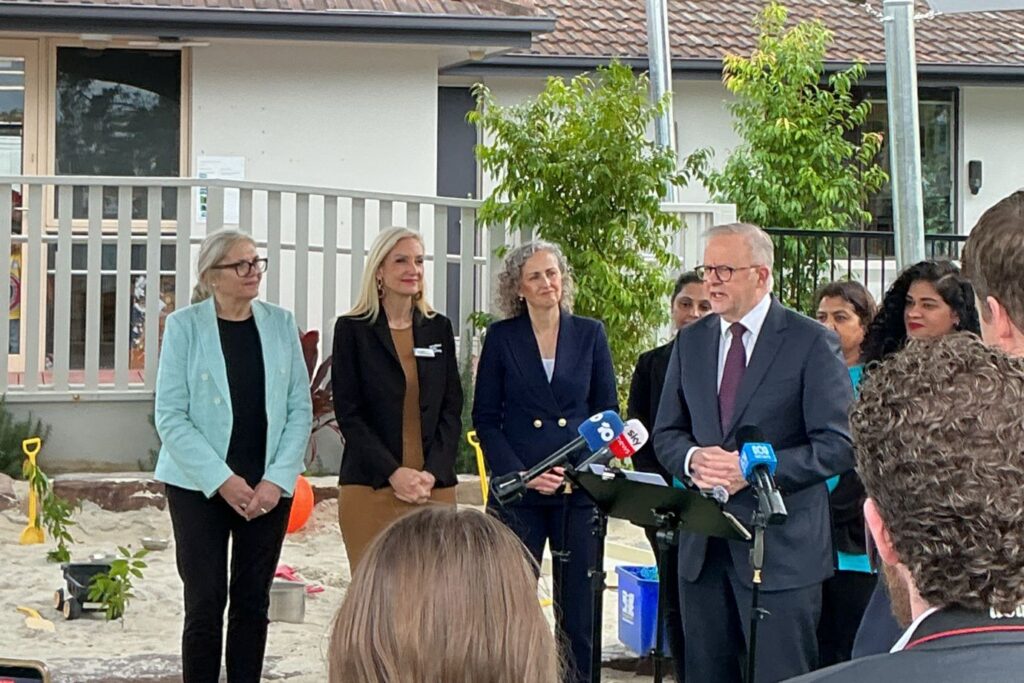
As we celebrate the federal government’s decision to extend the much-deserved educator wage increase, I’ve found myself reflecting on just how important educators are – and how vital it is that they are given what they need to focus on the children in their care.
We’ve spent years talking about workforce shortages. The bigger challenge may be how we create and commit to workforce sustainability.
If you’d asked me three years ago what would matter most to workforce sustainability, I probably would have started with pay, qualifications and just enough workers.
Without question, all of those things matter. And we have spent a lot of time working to get them right at Goodstart Early Learning. But after spending the past three years listening to educators, teachers and leaders across Australia, I’ve come to appreciate something else.
Something that might sound obvious. But the more time I spend listening to educators, the more I wonder whether we spend enough time talking about it.
In a sector where so much attention is focused on attracting people into the profession, we don’t always spend enough time talking about what makes them want to stay.
A recent Workforce and Wellbeing Forum brought this into sharp focus. While workforce shortages dominated much of the discussion, the strongest message to emerge was that workforce sustainability is about much more than attracting people. It is about creating the conditions that help people build long and rewarding careers once they’re here.
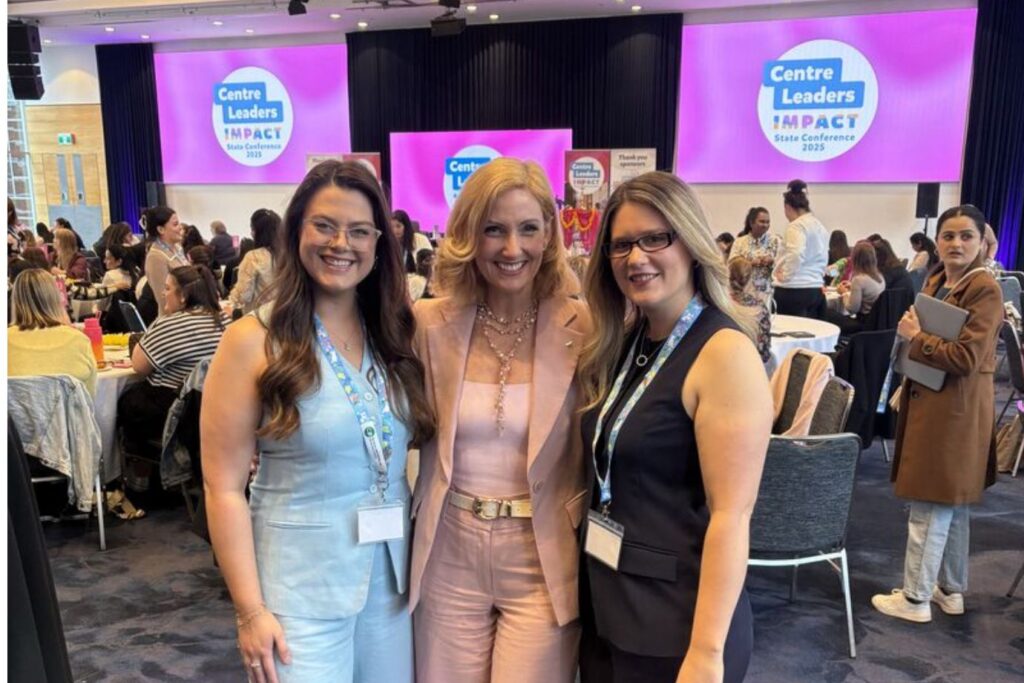
Leaders from across the sector spoke about the importance of professional recognition, leadership development, wellbeing, career pathways and reducing unnecessary burden. There was also strong recognition that one of the most effective workforce strategies available to us is retaining and supporting the people already in our services.
That resonated because it reflects what I’ve been hearing from educators for years. Rarely do they tell me they are leaving because they no longer care about children. If anything, the opposite is true. They care deeply. They believe in the power of early learning to change lives. And they love that Australia is starting to have that conversation.
For the first time in decades, universal early learning feels within reach. Governments are investing in access, workforce and reform in ways we haven’t seen for decades. There is growing recognition that early learning is not simply a support for working families, but a critical part of Australia’s education system and economic future.
That’s exciting. But it also raises an important question. Universal what? Because universal access only delivers on its promise if children are accessing high quality early learning led by skilled, supported and stable teams of educators.
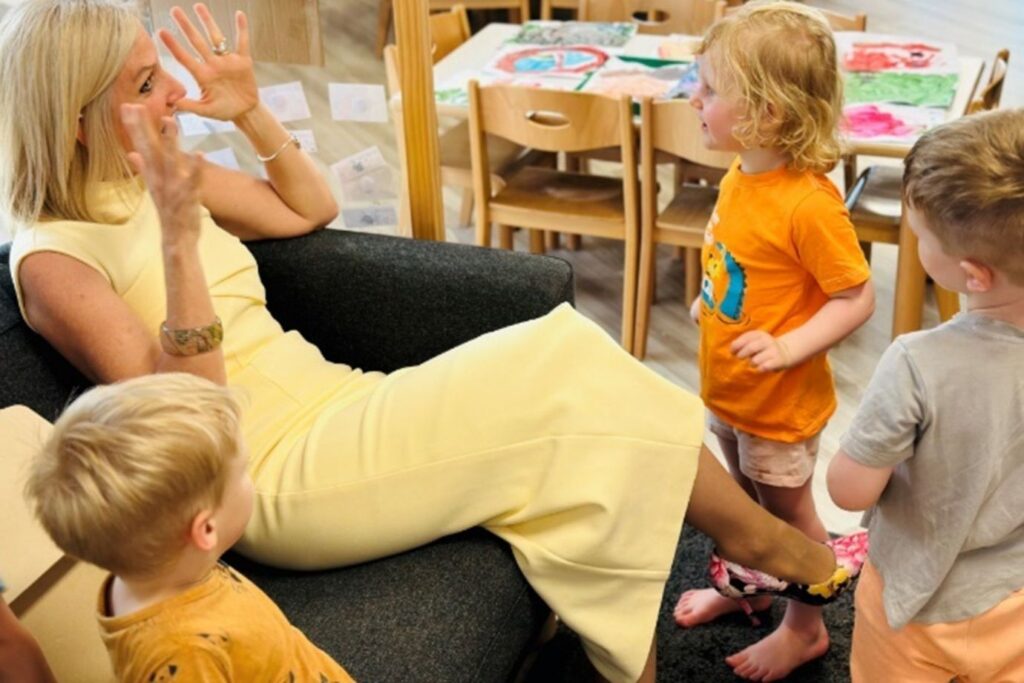
Workforce sustainability is not simply a workforce issue, it’s a quality issue. Children thrive through relationships. They benefit from consistency, trust and connection. Families do too.

As children’s needs become increasingly complex, and as services support growing numbers of children experiencing vulnerability, disability and developmental challenges, the role educators play has never been more important. Nor has it ever been more demanding.
One of the strongest lessons I’ve learned through listening to our people is that educators stay because they believe in children’s potential. But purpose alone isn’t enough. Passion cannot compensate for excessive burden, lack of support or limited opportunities for growth.
Educators tell us they want to be heard. They want professional recognition. They want supportive leadership. They want opportunities to learn and develop. They want time to focus on children rather than unnecessary administration.
In short, they want the conditions that enable them to do their best work. And shouldn’t we want that too? For these hardworking educators, and for the children whose brains and hearts they are helping to grow every day.
At Goodstart, some of our strongest employee engagement results have coincided with a tough time for our sector. But they’ve also coincided with a deliberate focus on listening to educators, acting on feedback and investing in leadership capability. We haven’t solved every challenge, but it has reinforced something important – that when people trust that their voice matters, they are more likely to feel connected to their work, their team and their future in the profession.
As Australia continues its journey towards universal early learning, we need to keep investing in workforce attraction. But we also need to broaden the conversation.
The future of early learning won’t be determined solely by how many educators we bring into the profession. It will be determined by how many can imagine building a long, rewarding career within it.
Because if universal early learning is to succeed, workforce sustainability isn’t a side issue. It is the foundation on which everything else depends.