

Before her son Remy was born, Jess Stimson hadn’t had any connection with the disability community. She wasn’t across what language to use or what disability support or care could look like.
So when Remy was first diagnosed with complex autism 16 years ago, Jess found herself in the deep end. At the time, the disability sector looked incredibly different than it does today. It was pre-NDIS and there wasn’t the positive thinking and language we now know and use when it comes to neurodiversity and disability.
“What shook me most about the disability space then was the language and tone people used,” Jess tells Women’s Agenda.
“There was no kind of positive role models or positive thinking about any of it.”
So when she met Flying Fox founder Dean Cohen OAM, Jess was struck by his different approach to supporting kids with disability.
The non-profit organisation provides support and social opportunities for young people to develop independence, build their community and thrive as equal members of society.
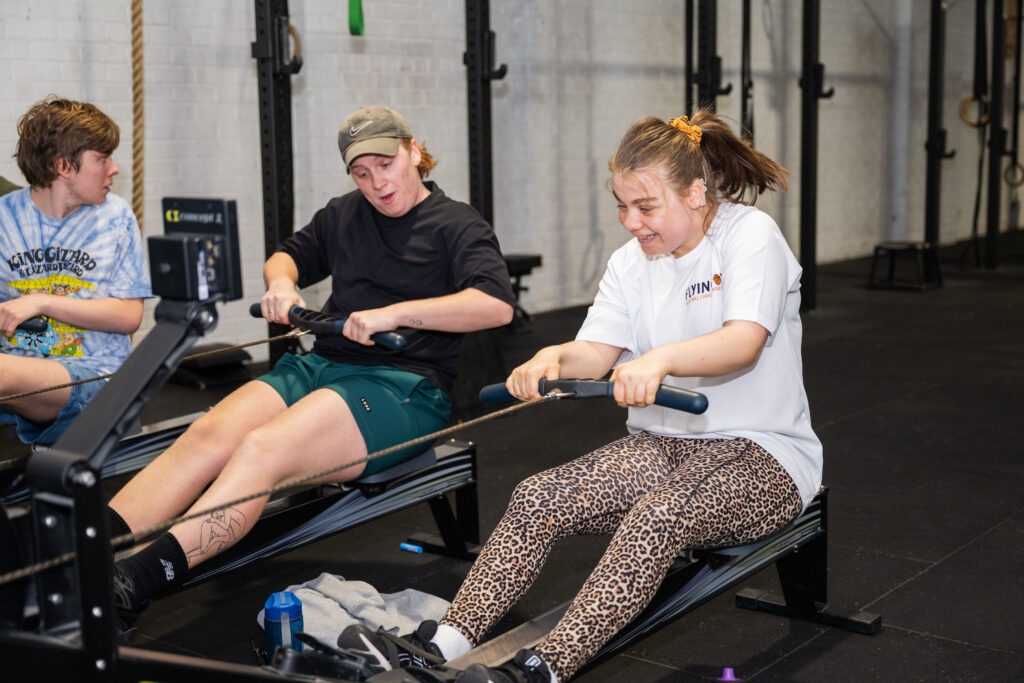
Flying Fox’s camps and programs are fun, inclusive experiences that support young people with disability to socialise and build new skills. They are led by young volunteers who build genuine peer-to-peer connection.
“It was so refreshing to hear someone else believe in the space and believe in these kids in the same sort of way, and that there’s so much potential and possibility,” Jess says.
The incredible impact of Flying Fox
Jess was later invited to join the board of Flying Fox – and didn’t yet have any idea of how much the organisation would come to impact her son Remy’s life.
Remy is now 17. He is nonverbal and needs very high levels of support, but he is also a teenage boy who loves to bushwalk, a good schnitzel, Saturday gym trips and an active social life.
Flying Fox supports him to tap into every part of that.
“Flying Fox has created a social network for him. He doesn’t see his care team, which are basically made up of Flying Fox alumni ‘buddies’ as anything other than his friends,” Jess says.
“He doesn’t see that line being any different. He doesn’t see them as paid sort of support workers. They are his whole social network.”
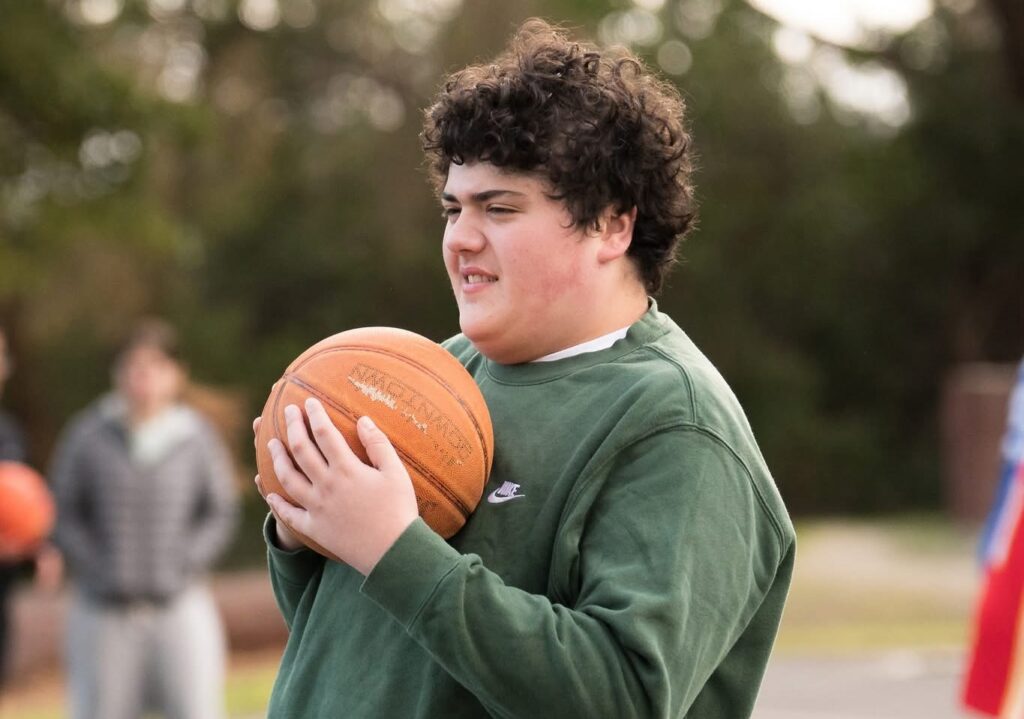
For Jess and her husband, having a child with high support needs meant rethinking not just their routines, but their roles as individuals and parents.
“It was important for us not to become therapists or carers. We wanted to be parents,” she says.
“To do that, we had to build a really strong support team around us. These people become an extension of your family.”
Jess says the support of Remy’s carers and Flying Fox has enabled her and her family to live life to the fullest.
“I’ve just been away for a couple of days with our youngest child, and those sorts of things just aren’t possible if you don’t trust the people living in your home with your child who has the type of support needs Remy has,” she explains.

The social isolation facing families
Loneliness is a significant issue in the disability community, with the latest figures indicating people with disability are more likely to experience social isolation and loneliness than those without disability.
According to Medibank’s loneliness population index, 19 per cent of Australians cited disability as a significant trigger of their experience with loneliness, while caring for a family member was a loneliness trigger for 18 per cent of people.
Meanwhile, the 2025 National Carer Survey found 42 per cent of carers were often or always lonely, over three times the rate of other Australians.
Speaking to Women’s Agenda, Jess describes how social isolation impacted her family, especially in the early years of Remy’s life.
It starts with the mother’s group you can’t attend, the dinners out with friends and the holidays you can’t join in.
“It starts at the point of diagnosis, or at the point where you realise that your child is different to every other one at that same age,” Jess says.
“If your child can’t sit in these spaces or interact with these other kids then it slowly, slowly, slowly builds up over time in that you as a family become isolated.”
She says the community created by Flying Fox has given the family the freedom to do things that they had always craved in those early years.
“What Flying Fox has given us is this unbelievable, incredible social network for him,” she said.
“It creates these opportunities for us to then have a family life, have a holiday, be with our other daughter and go back to work, and all these things that you can’t do if you don’t have a strong support team.
“It also allows Remy to do things that are age appropriate, that fit in his wheelhouse and are what he wants to do as a 17-year-old teenage boy.”
As for other parents and carers who are navigating the world of disability for the first time, Jess says organisations like Flying Fox can make all the difference.
“I talk to a lot of families or parents of those going through early diagnosis or early understanding of what their child’s needs are, and I always say, you’re going to laugh again. I promise you’re going to go out for dinner again,” she says.
“You don’t have to live this isolated life. You just have to find the pattern that works best for your family, and it’s going to look different along the way.”
To learn more about Medibank’s commitment to reducing loneliness head to We Are Lonely | Medibank.
Research commissioned by FiftyFive5 on behalf of Medibank. Research was conducted in July 2024, among a sample of (n=4,131) Australians.