
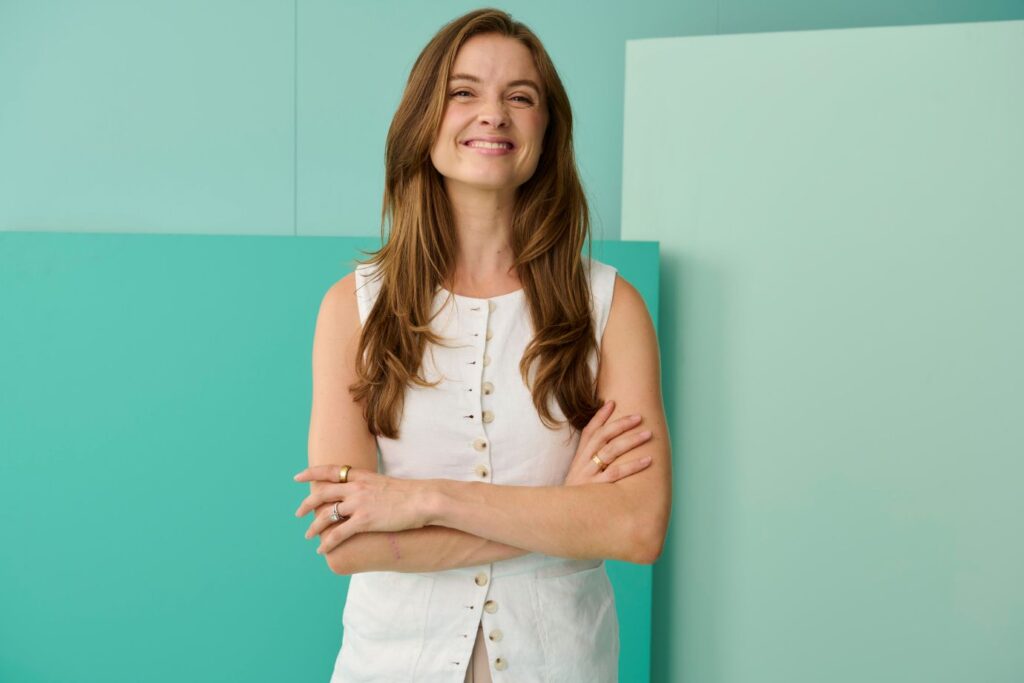
Almost half of Australian mothers gave birth via caesarian section in 2023 — and soon Kic co-founder Laura Henshaw will join their ranks. This week, she shared her decision to welcome her first child via c-section.
Laura spoke at length about her birth plan, made with the support of medical professionals, and why it was the right choice for her and her baby — despite not having, as she put it, a specific medical reason not to have a vaginal birth.
And then the internet did what it does to all women at every stage of pregnancy and caregiving and jumped into the comments to judge her. From pressure to change her mind to demands that she ‘educate followers’ on the risks associated, strangers on the internet felt it necessary to hand down their judgement on the birth of a baby they are almost guaranteed never to meet.
But what surprised me most when listening and reading the comments was how much they echoed the deepest, darkest parts of my own birth journey.
My first child was posterior — or ‘stargazing’ if we want to get romantic about it. My body had expanded as much as it intended to and my baby was stuck; a small birthmark on their forehead, a visual reminder of a stubborn streak, surely inherited from me.
Despite weeks of exercises and tricks to shift them, I burst into my obstetrician’s office one Thursday afternoon and declared myself done. As I inched onto the table, the OB called through to reception to see if the hospital had availability for a c-section the next morning and we met our son at 11.28am as the operating theatre sang him Happy Birthday.
Not once did I question my choice. Not even when someone close to me queried out loud whether a c-section really counted as ‘birthing’. (Spoiler: It really does) For me, attempting a vaginal birth carried a higher chance of intervention, higher risk to myself and baby and high likelihood of ending up in an emergency caesarean section, regardless. As one friend told me, “No one gives you a trophy at the end.”
Second time around, I didn’t think twice. We had experienced a loss prior to falling pregnant with our youngest. With no family in Sydney and a big dose of post-natal depression and anxiety, I focussed obsessively on the things I could control — like who would care for our eldest while I was in hospital and how our rainbow baby would enter the world. By 11 weeks, we had a date and time for an elective caesarean section.
It was then that I too grappled with the shame Laura Henshaw describes feeling around not wanting to go through labour and embrace the ‘pain’ of a vaginal birth.
Here I was, actively choosing not to experience something society considers the most natural thing a woman can do. Was I lazy or simply exercising my privilege as someone who could afford to have options, all under the guise of doing what was ‘best’ for my baby?
We kept the decision to ourselves and I would smile and nod politely when people shared stories of their second birth. I even told myself I could change my mind whenever I wanted to — until I couldn’t.

Much like my first pregnancy, my placenta proved to be too low and my second-born nestled in the same stubborn posterior position as their brother. The choice we had made so early in our pregnancy was now medically necessary.
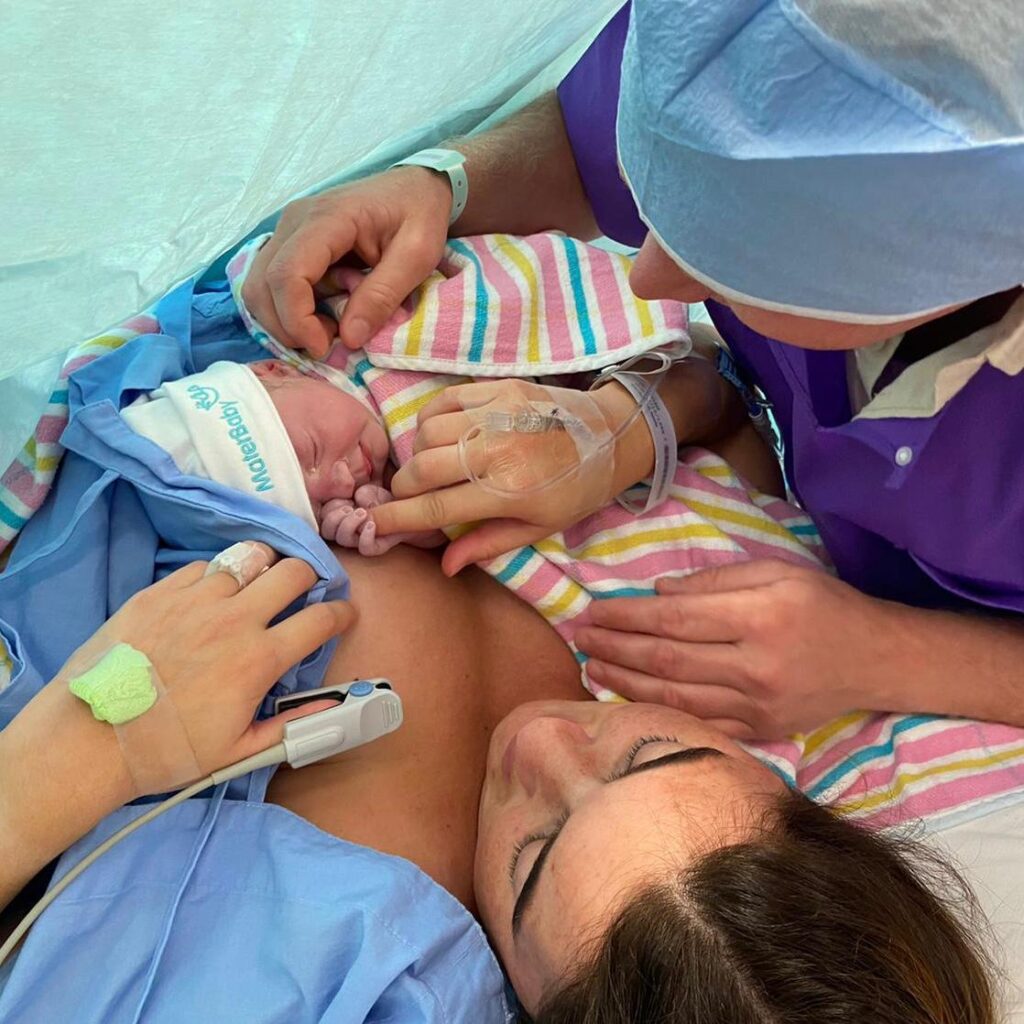
As my due date neared, nerves took hold. While my first recovery was textbook, the brain does a great job at erasing the tough bits — like how it feels to have an adult use your stomach as a bouncy castle in order to free your baby, the pain when you forget to brace while sitting up, the months we’d spent encouraging our then-toddler to walk up three flights of stairs to our apartment in anticipation of being unable to lift him.
As one midwife told a room full of women, stitches fresh and surgical socks still on: when most people have major surgery, they rest for a week and are showered with care. But here we were, being handed a child instead.
Australia’s rate of caesarean sections is higher than the OECD average with 34 c-sections per 100 live births, compared with 28 per 100 for the OECD average in 2017.
I was recently back in the UK and bumped into a friend who spoke, with sadness, about her emergency c-section and how caesarean rates are on the rise in the UK, due to what she described, somewhat bitterly, as an unwillingness from the health service to ‘let women push for as long’. She spoke of mothers in her community fumbling with their birth disappointment and worrying about future birth plans.
This shame isn’t new. In 1999, Victoria Beckham was labelled ‘Too Posh To Push’ by the media when she gave birth to son Brooklyn via caesarean section, claims she would hit back at in a 2023 Netflix documentary.
More than 25 years on and despite growing awareness around maternal mental health, we continue to label women with binary headlines that are both reductive, irrelevant and harmful: caesarean section or vaginal delivery, breast or formula, daycare or grandparent care.
Dismantle one branch and another appears, ready to beat caregivers anew.. That’s why I respect Laura’s decision to have the conversation about her birth plan in plain sight.
It only takes one glimpse at the comments to see how unique every woman, pregnancy and birth truly is. Much like the beautiful babies we bring into the world, each and every one of those stories — and the mothers who share them — deserve to be cherished.
Feature image: Laura Henshaw.