
Every January, the same question resurfaces: Why can’t we just let people celebrate Australia Day in their own way?
And every year, our answer stays the same: because January 26 isn’t a neutral date. And whether you’re a business, a media organisation, or a leader, choosing silence is not neutral either, it’s complacency.
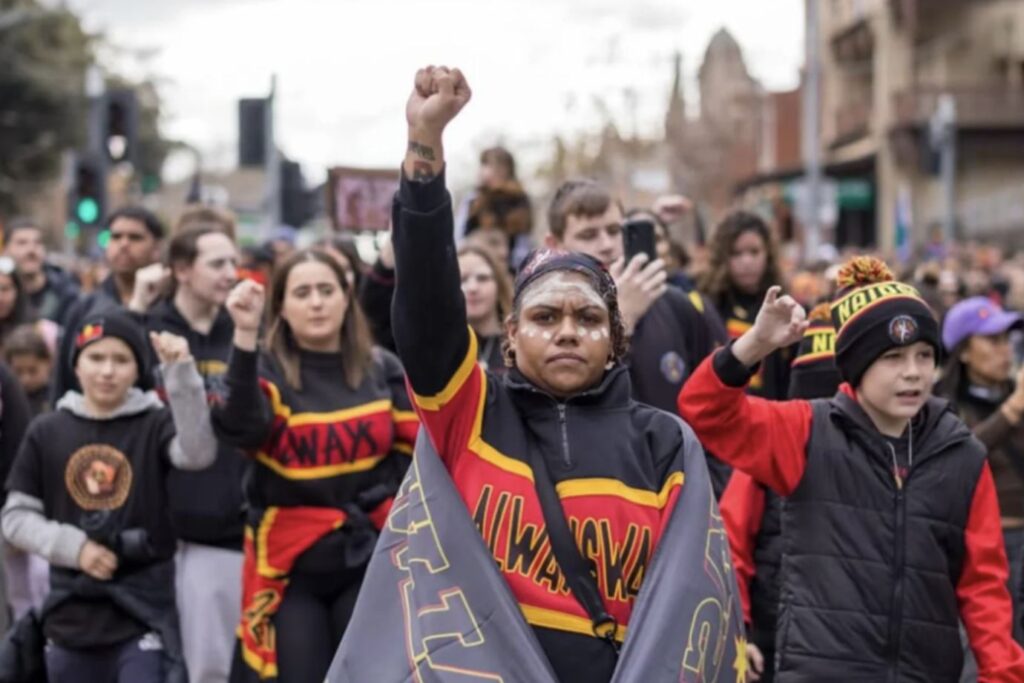
For many First Nations people, January 26 marks the beginning of invasion, dispossession, violence and genocide. It is a day of mourning, survival and grief that has been protested for generations. And the fact that it is still framed as a ‘national celebration’ says far more about whose voices are prioritised in this country than it does about unity or pride.
As co-founders of a certified Aboriginal business, social enterprise and B Corp, we’re often told that changing the date is a ‘complex’ issue. That it’s ‘divisive’. That speaking up risks backlash, losing customers, angry emails, or turning attention away from core business. We’re told that neutrality is safer, especially for businesses and organisations who don’t want to be seen as ‘political’.
But here’s the truth: simply existing is political and silence actively protects the status quo. And that status quo continues to harm First Nations people.
Australia is the only colonised nation in the world that celebrates its national day on the anniversary of its own invasion. That alone should stop us in our tracks. And yet, year after year, despite calls from First Nations leaders, we see the same patterns repeat.
Brands quietly substitute the public holiday and think this means they’re managing to avoid January 26 controversy altogether. Media outlets ‘balance’ the conversation by platforming racism alongside truth. Councils hold citizenship ceremonies. And organisations pause their social media, say nothing, and hope the day passes without scrutiny.
But going about ‘business as usual’ on Invasion Day is not harmless. It sends a clear message to First Nations communities: your pain is inconvenient.
Neutrality might feel comfortable, but comfort has never driven change.
First Nations people have been clear for decades that January 26 is not a date to celebrate. This isn’t new information. What is new is the growing expectation that those with platforms, power and influence (particularly businesses and media) stop sitting on the fence and start actually leading.
Leadership doesn’t mean having the perfect words or a flawless position. It doesn’t require you to have all the answers about what should replace January 26, or when, or how. It requires one simple thing: listening to First Nations voices and believing them when they tell you this date causes harm, and that we need to see change.
That’s why the Not A Date To Celebrate campaign exists. Not to manufacture outrage or stoke division, but to tell the truth, raise awareness and bring people together, and to ask our leaders to do better.

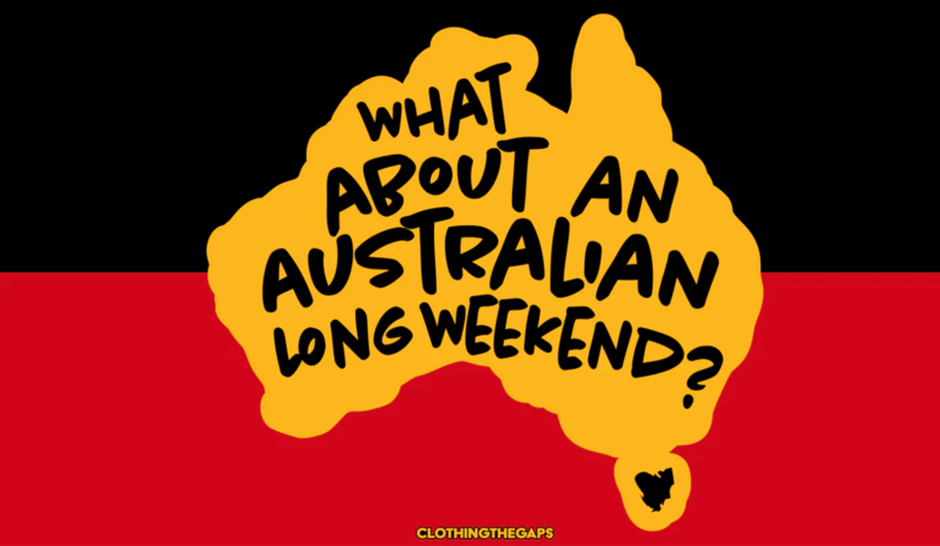
It’s time to move the conversation forward. This year, we are calling on the federal government to recognise that January 26 should no longer be treated as a national celebration, and to show leadership by committing to a way forward that respects and includes First Nations people.
Which is why we are asking Prime Minister Albanese to move the public holiday to create an Australia Long Weekend to be held on the second last Monday of January. This means that there is still a January public holiday that will always fall between the 18th and 24th of Jan, and importantly, never on January 26. It separates a day of trauma from a day of celebration, and creates space for truth-telling instead of conflict.
What we’ve learned through years of this work is that we see progress when people choose courage over comfort.
That’s why this January 26, we’re not only asking more of elected officials, we’re asking more of you.
Sign the Not A Date To Celebrate petition and add your name to the tens of thousands of people calling for change.
But don’t stop there.
Ask yourself, honestly, how you will show up for First Nations people this year, both on January 26 and beyond?
In what ways will you use your privilege and platform to educate yourself and others? How will you support First Nations-led organisations and businesses? How will you challenge racism when you see it? And how will you create a culture that refuses to hide behind silence when it matters most?
Because silence is not neutrality, and neutrality isn’t harmless. It’s a choice. And on January 26, it’s a choice that increasingly speaks volumes.
Find out more and sign the ‘Not A Date To Celebrate’ petition →
Feature image: Kaniesha Bamblett | Photographer: Benny Clark