
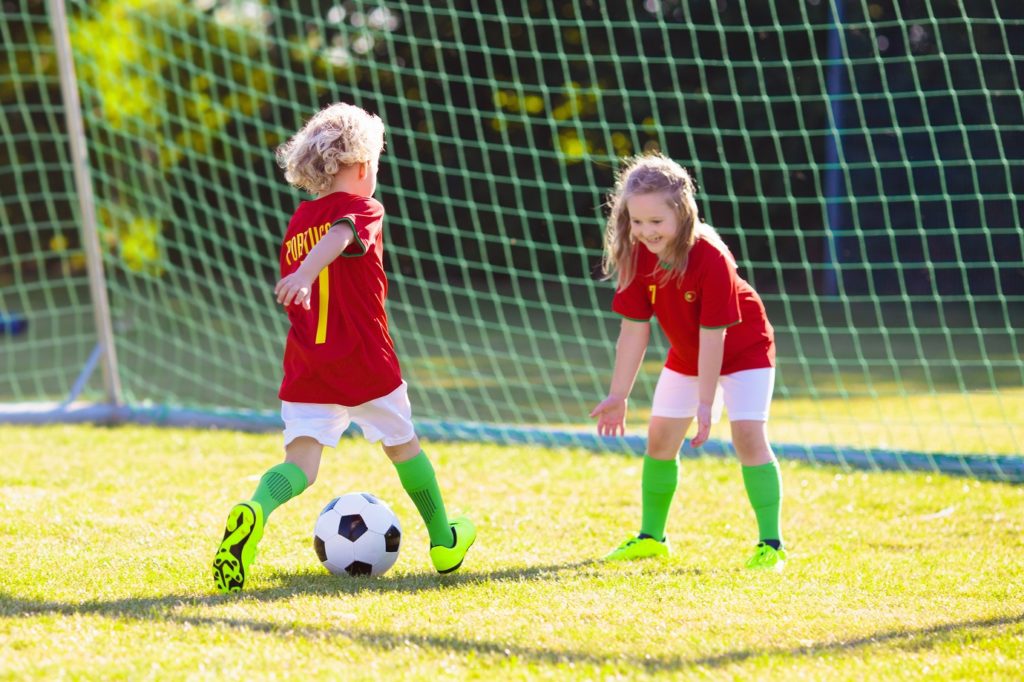
Women and girls are at the forefront of a huge spike in philanthropic investment in Australian sport, with more than $22.8 million directed into their sports programs last year.
New data from the Australian Sports Foundation (ASF) revealed that over 84,600 donors supported sport through the organisation over a period of 12 months, contributing a total of $118.8 million to grassroots clubs, athletes and community programs nationwide.
More than 750 campaigns targeted opportunities for women and girls across more than 3,652 sporting clubs, organisations and athletes.
The ASF, a non-profit sports fundraising organisation dedicated to ensuring Australians can access sport, said that the latest figures represent a significant increase on the previous year’s donations.
CEO Jerril Rechter AM said that an increasing number of Australians are choosing to support sporting initiatives.
“People are not just backing sport because they love a team or know a club,” Rechter said in a statement. “They are backing sport because they recognise the role it plays in supporting inclusion, empowering young people and strengthening local communities.”
“That’s a powerful shift. Sport is increasingly recognised as something that creates opportunity, connection and participation across the nation.”
According to the organisation’s latest report, more than $30 million was invested in youth participation alone, with funding directed toward participation outcomes such as junior programs, community initiatives, and access to equipment.
“We’re seeing growing momentum in philanthropic investment into sport, particularly in areas like women and girls’ participation, where targeted funding can unlock long-term impact and support more people to participate,” Rechter said.
Partnership programs received philanthropic trusts and ancillary funds, reinforcing sport’s growing role as a credible area for social impact investment.
Legendary basketball player Lauren Jackson is the founder and patron of She Hoops Indigenous Leadership Program, an initiative of Basketball Australia, which provides Indigenous teenage girls with leadership education and mentoring through basketball.
Jackson leads the initiative alongside Ngarrindjeri Olympian Ally Wilson, driving its national rollout in partnership with the Aboriginal Basketball Academy.

“She Hoops reached more than 220 Indigenous girls across the country through this program providing them with leadership tools, life skills and pathways to empower them in basketball and beyond,” Jackson said.
“If it wasn’t for the financial contributions from our partners Kulbardi, the Bibbulmun Fund, and the broader community, and Basketball Australia for providing the She Hoops platform, opportunities like this would not exist.”
Other programs helped young people stay connected to sport and strengthened community safety, including the Parkrun Defibrillator Appeal that equipped more than 500 Parkrun events nationwide with life-saving defibrillators, and the Active Kids program, which provided more than $540,000 worth of sporting equipment and uniforms to community clubs across Australia.
Rechter said the programs extend beyond sport, encompassing inclusion, youth development, and community safety, all delivered through sport.
“Our role is to ensure Australians who want to create social impact through sport have a trusted, transparent way to do it,” she said. “The growth we’re seeing shows Australians understand that when you invest in sport, you’re investing in people.”
Minister for Sport, Anika Wells MP, said sport continues to play a vital role in communities across the country.
“The benefits of sport are proven, it strengthens communities, improves wellbeing and creates opportunities for all Australians,” Minister Wells said. “This report highlights the growing role philanthropy can play alongside government and the sector to expand participation and ensure more people can access the benefits of sport.”