
Polycystic ovary syndrome (PCOS) has been officially renamed polyendocrine metabolic ovarian syndrome (PMOS), a major milestone the medical community hopes will lead to better diagnosis and treatment for women.
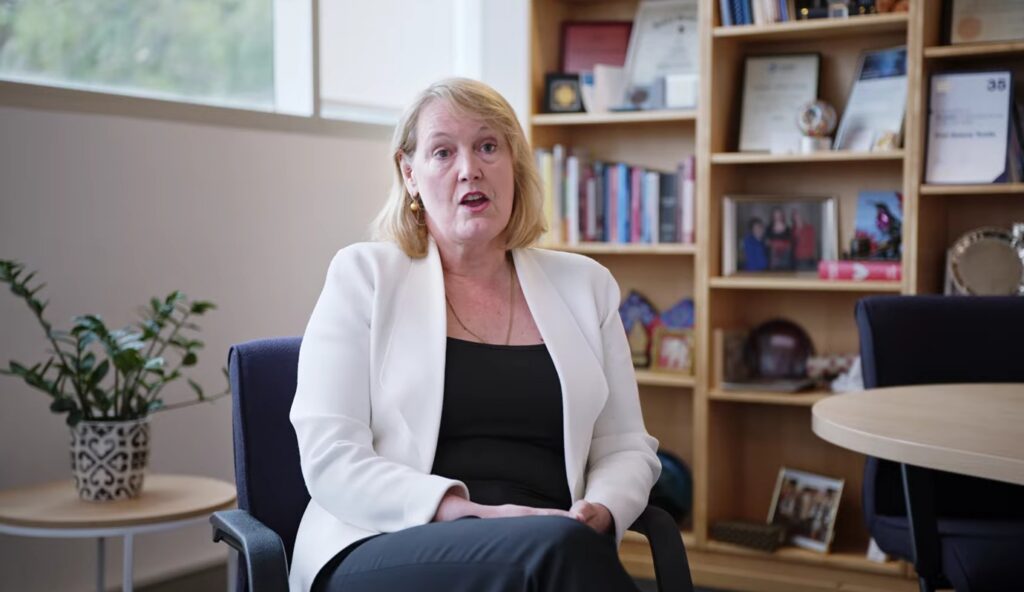
The name change, more than a decade in the making, was spearheaded by Australian endocrinologist Professor Helena Teede, the director of the Monash Centre for Health Research and Implementation.
PMOS is a common disorder that is characterised by fluctuations in hormones, with impacts on weight, metabolic heath, mental health, skin, and the reproductive system. It affects one in eight women, or 170 million women worldwide.
Researchers say that for too long, its name had reduced a complex and long term hormonal or endocrine disorder to a focus on cysts and the ovaries.
Recent research found that women with PMOS did not have a higher rate of abnormal ovarian cysts than women without the condition.
The name change was announced this week at the European Congress of Endocrinology, and also published in prestigious medical journal, The Lancet.
“What we now know is that there is actually no increase in abnormal cysts on the ovary, and the diverse features of the condition were often unappreciated,” Professor Teede said.
“It was heart breaking to see the delayed diagnosis, limited awareness and inadequate care afforded those affected by this neglected condition.
“While Monash-led international guidelines have advanced awareness and care, a name change was the next critical step towards recognition and improvement in the long term impacts of this condition.”
Professor Teede describes the name change as a “landmark moment” that will lead to desperately-needed worldwide advancement in clinical practice and research.
“The agreed principles of the new name included patient benefit, scientific accuracy, ease of communication, avoidance of stigma, cultural appropriateness and accompanying implementation,” she said.
“This change was driven with and for those affected by the condition and we are proud to have arrived at a new name that finally accurately reflects the complexity of the condition.”

Professor Teede led the push for the name change after spending decades researching the condition and witnessing the impact on patients.
There will be a three-year transition period with the new name set to be implemented in the 2028 International Guideline update.
President of the International Androgen Excess and Polycystic Ovary Syndrome Society (AE-PCOS Society) Professor Terhi Piltonen, who was also part of the process, said it was important to consider the needs of different cultures.
“It was essential that the new name was scientifically correct but also considered across diverse cultural contexts to avoid certain reproductive terms that could heighten stigma and be harmful for women in some countries,” Professor Piltonen said.
“This made a culturally and internationally informed consultation critical to getting it right.”
For Lorna Berry, an Australian woman who has PMOS and was part of the renaming initiative, said the change will be life-changing for many women.
“This is about accountability and progress,” Berry said. “It is about my daughters, their daughters, and the countless women yet to be born.”
“We deserve clarity, understanding, and equitable healthcare from the very beginning.”