
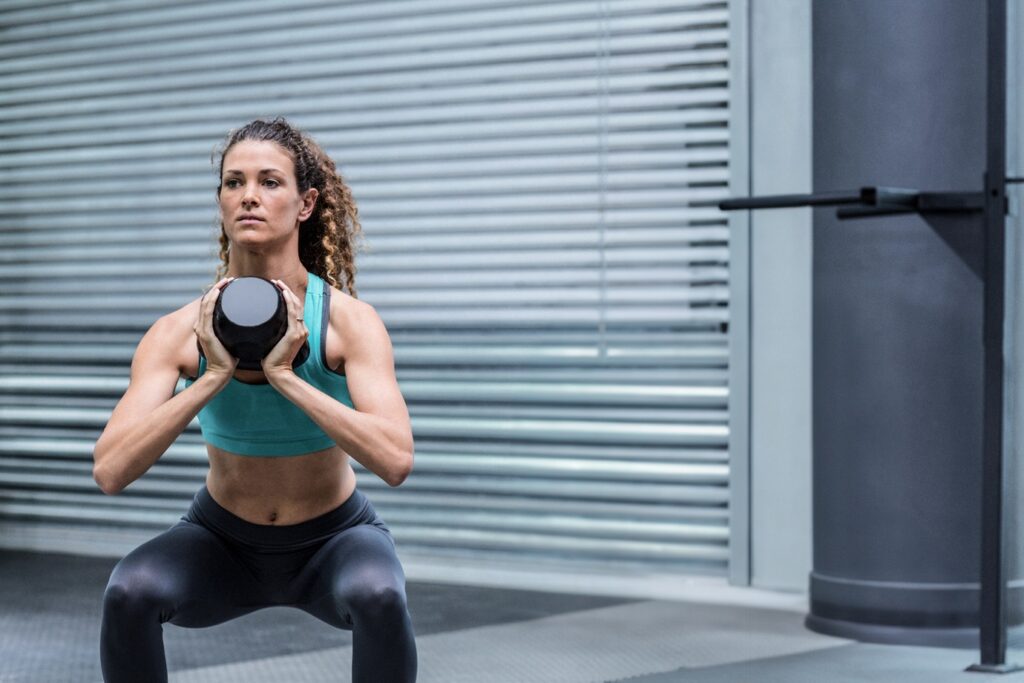
As an increasing number of women athletes compete in sport, a new set of global recommendations is calling for routine strength exercise warm-ups to be mandated to reduce leg injuries and improve safety.
Published in the British Journal of Sports Medicine, the Female, woman, girl Athlete Injury pRevention (FAIR) Consensus Statement offers 56 practical recommendations, spanning policy reform, training, personal protective equipment, secondary prevention, implementation strategies and the creation of gender/sex-specific supportive sport environments.
The world-leading initiative comes from La Trobe University, the University of Calgary and is supported by the International Olympic Committee (IOC).
Co-author Professor Kay Crossley, Director of La Trobe University’s Sports and Exercise Medicine Research Centre, said the FAIR recommendations offer a roadmap for athletes, parents, coaches and sport administrators, which can be adapted to different settings and cultures.
Recognising the unique injury risks faced by female athletes, Crossley said the initiative “provides clear, actionable guidance for everyone involved in sport, from grassroots to elite levels.”
Recommendations to prevent injury in female athletes
“The rates of sport participation and injuries in girls’ sport are increasing and many girls that get injured from sport don’t return,” said co-author Professor Carolyn Emery, from the University of Calgary’s Sport Injury Prevention Research Centre.
Looking at preventative strategies for injury, the FAIR Consensus conducted seven evidence reviews, synthesizing over 600 studies involving more than 600,000 participants. They reviewed evidence on injury prevention strategies, and modifiable risk factors for lower and upper extremity injuries, concussions, and spine, chest, abdominal and pelvic injuries and/or pain.
This led to the set of 56 recommendations, which include mandated sport-specific strength, balance and control (neuromuscular) exercises for a minimum of 10 minutes, twice a week to prevent first-time and repeat leg injuries.
The FAIR recommendations also call for regulating dangerous contact, mandated mouthguards in collision sports and encouraging properly fitted sports bras to reduce breast discomfort and skin irritation.
Knee braces should not be used to prevent first-time knee injuries, the recommendations say, but semi-rigid ankle braces should be used to prevent first-time and repeat sprains.
Sport partners should also share responsibility for creating spaces where female, woman and girl athletes’ safety and wellbeing is front of mind and non-negotiable. This includes creating safe spaces free from body shaming, idealised body types and gender norms.
Taking action
Women and girls often face gendered barriers in sport, with estimates suggesting only 22 per cent of Australian women aged 15 years and over participated in a sport-related activity at least once a week.
“There is a significant data gap in terms of how female athlete health data are collected and represented in research and policy. Injury and illness rates are disproportionately high and female athlete health has risen to be among the top five priorities for international sport federations,” said Dr Jane Thornton, IOC’s Director of Health, Medicine and Science, noting that FAIR’s recommendations are a priority for the IOC.
Professor Crossley said many female athletes are competing in environments not yet set up for their success, adding that “targeted action is needed”.
“The FAIR Consensus helps address this gap by offering tools to protect female, woman and girl athletes’ health, extend careers and promote lifelong participation. We all have a role to play in creating safer, more inclusive sports environments where women and girls can thrive.”