

Surgical abortion is legal across Australia, yet access to timely, equitable care remains uneven.
For too many women, the gap between legality and lived reality continues to shape whether they can receive appropriate treatment when they need it most.
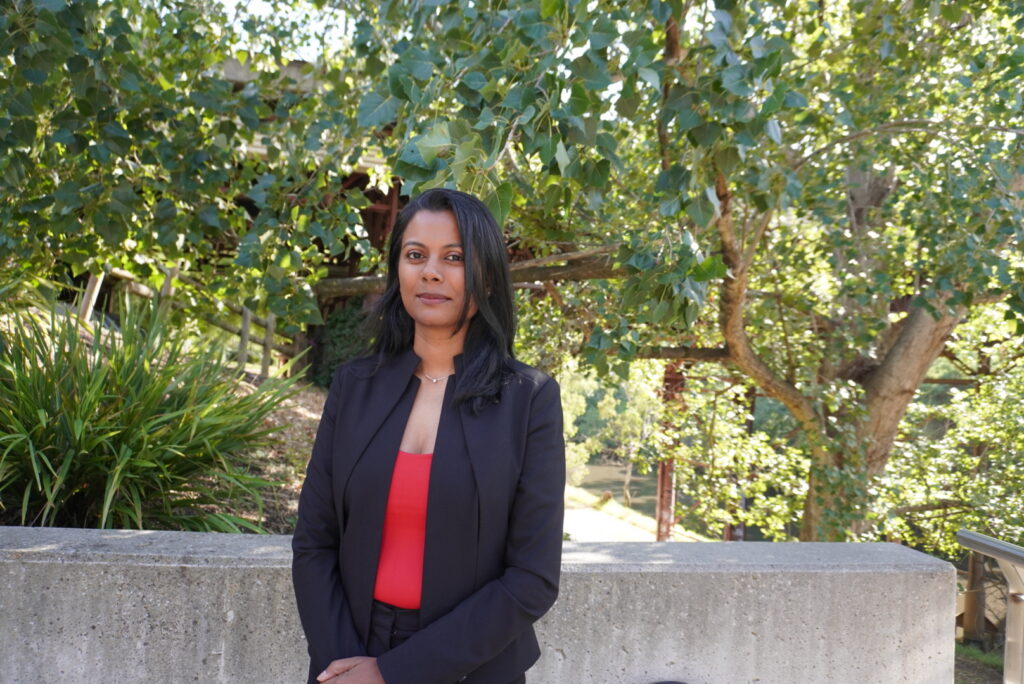
While this disconnect defines much of the current reproductive healthcare landscape, Chief Executive Officer of MSI Australia Adurty Rao tells Women’s Agenda that their not-for-profit provider of reproductive healthcare exists to bridge that gap.
MSI Australia’s mission is “about ensuring safe, respectful healthcare for people from all walks of life”,” Rao explains, noting that reproductive choice should be accessible regardless of geography, circumstance or personal background. This includes telehealth, contraception, medical and surgical abortion and miscarriage care.
“It’s absolutely essential that people are supported with clear information, timely access, genuine choice, and dignity within their care, especially during what is often the most vulnerable moment of a person’s life,” says Rao.
Women can access surgical abortion from six weeks onward, and this option is not limited to those who cannot take abortion pills or who have complex medical needs. Surgical abortion is also an appropriate procedure for patients managing a miscarriage.
Rao says there’s a close clinical overlap between abortion and miscarriage management, which often involve the same clinicians, techniques and care environments. The difference lies in the circumstance and not in the need for dignity, compassion and speed of access.
While surgical abortion is a safe and common procedure, access to this care can require many patients to travel long-distances, which adds up to compound other stressors, such as having to take time away from work or arrange childcare.
It’s this lived reality in Australia that Rao describes as a “postcode lottery”, where access to surgical abortion depends more on location than on clinical need. The main issue, Rao says, lies in whether healthcare systems are designed to deliver care when it’s actually required.
Clinical excellence alone, however, is not enough, with Rao emphasising that surgical abortion and miscarriage care demand both technical expertise and deep emotional sensitivity.
“[Surgical abortion] is not a fringe procedure, nor is it the last resort, or inherently traumatic. For many people, it offers clarity, it offers safety, it offers a timely resolution in one single episode of care.”
Evidence-based healthcare
While misinformation and stigma can be powerful drivers of anxiety, access to clear and unbiased information is fundamental to helping patients make informed decisions.
MSI Australia’s Director of Nursing Jackie Bunt says this is why her team makes sure they take the time to explain to every patient what each of their options involves, what to expect physically and emotionally, as well as any potential risks or considerations to take into account.
“Our role as clinicians is not to direct decisions, but to support informed choice in a respectful and non-judgemental environment,” says Bunt.
When it comes to the decision to undergo surgical abortion, Bunt says a common misconception many patients hold is that the procedure is unsafe.
“In reality, it is a very safe procedure when provided by trained clinicians in appropriate settings, and complications are uncommon,” she says, adding that “another fear is around pain or recovery. While everyone’s experience is different, surgical abortion is usually a brief procedure with a short, predictable recovery.”
Following any of the procedures, MSI Australia also provides pain management options and support, with Bunt saying that follow-up care is “an essential part of the patient journey”.
After a surgical abortion or miscarriage procedure, patients receive clear written and verbal information about recovery, warning signs to watch for, and when to seek further medical advice. Patients can also choose to access a free aftercare nurse support phone service, where they can get any questions or concerns answered.
“I wish more patients knew that they are not alone, and that it’s okay to ask questions, express concerns, or take the time they need to feel comfortable with their decision,” says Bunt
“Our aim is for patients to leave our care feeling informed, supported and confident about what comes next.”
Looking to access safe sexual and reproductive health services and information? MSI Australia is a fiercely pro-choice, non-judgmental, holistic health provider, with specially trained clinicians ready to support.
An independent, non-profit organisation, it is Australia’s only national accredited provider of abortion, contraception and vasectomy services, and the country’s longest running provider of abortion by telehealth. Find more information here.