
In a landmark moment for big tech, grieving families are taking social media giants to court, accusing Meta, which owns Instagram and Facebook, and Google-owned YouTube of putting profit ahead of users’ safety.
The plaintiffs have alleged that these social media platforms are addictive and designed to lure users into a non-stop loop of scrolling. The companies have generally denied the claims.
The testimony given in this landmark case is expected to be referenced in scores of other lawsuits across the US. Experts have described it as the social media industry’s “Big Tobacco” moment.
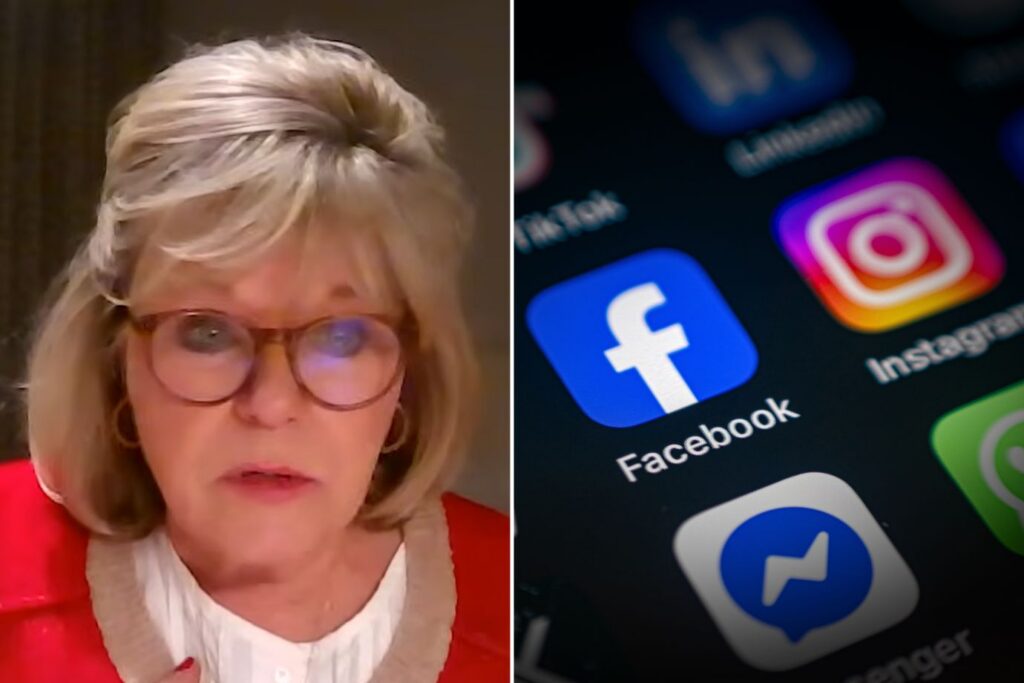
One of the parents at the heart of this case, Lori Schott has spoken to several news outlets about the gravity of the lawsuit. Schott’s own daughter, 18-year-old Annalee died by suicide in 2020, after struggling with body image issues, which Schott believes were fuelled by social media algorithms.
“I was so worried about what my child was putting out online, I didn’t realise what she was receiving,” Schott told The Verge, adding that she went to see the Instagram CEO, Adam Mosseri, testify in-person because she wanted “him to see my face, because my face is Anna’s face”.
Mosseri and Meta CEO Mark Zuckerberg have both testified in court over the lawsuit, claiming their companies aren’t motivated by profits at the expense of users’ safety. They claim the users’ mental health issues, rather than the products’ design, have influenced plaintiffs.
Many of the families that are part of the case have made it their mission to be physically present at the trial.
“Sitting in court was really hard for me because I felt like my daughter died again,” Schott told The Times, noting that her daughter’s “timelines matched up so perfectly” to moments in time when big tech was discussing ‘body dysmorphia’.
“I just saw my daughter’s life move in those years, when they talked about the research.”
Schott said the emails she saw in court between Zuckerberg and Mosseri made it clear that “they picked engagement over child safety. They knew it was harming young girls, and they did nothing.”
Big tech’s response
In court, CNBC reports that Mosseri used his testimony time to argue that ‘problematic usage’ of social media doesn’t constitute a clinical addiction.
“So it’s a personal thing, but yeah, I do think it’s possible to use Instagram more than you feel good about,” Mosseri said. “Too much is relative, it’s personal.”

He also argued that profits and child safety go hand-in-hand, after being asked whether he leans towards profit-led decisions before testing for safety.
“In general, we should be focused on the protection of minors, but I believe protecting minors over the long run is good for business and for profit,” Mosseri said.
On Wednesday, Zuckerberg also testified, claiming that increasing engagement on Instagram was not a company goal.
Responding to lawyers who provided evidence from Mosseri about having goals to actively increase user daily engagement time, Zuckerberg said the company uses milestones internally but that the service is aimed at helping people connect.
Melodi Dincer, a tech justice lawyer at UCLA, told CBS News that the comparison of this trial to the ‘new big tobacco trial’, is a “very apt comparison”.
“A trial like this one will hopefully uncover the disconnect between what companies say publicly to drive up business and engagement and what is actually going on behind the scenes.”