
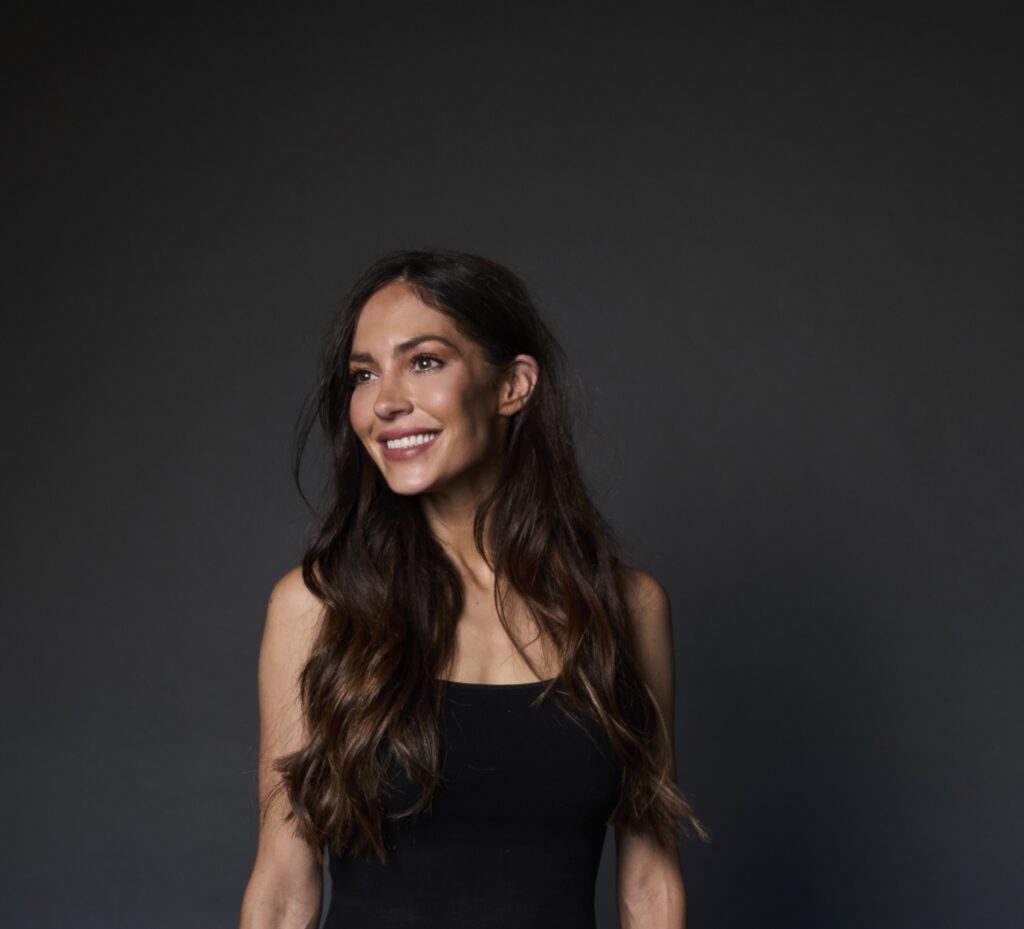
A recent study out of the UK found that adults spend around five years of their lives scrolling. The algorithms govern our feeds and doom, as one journalist told Natalie Kyriacou, is what the people want. “We’re always focusing on the stories of doom when it comes to the environment,” Natalie believes, “and I can see people checking out of that.” According to Natalie, making people laugh works just as well.
Natalie is an environmentalist, author, founder of My Green World, OAM recipient, Forbes 30 Under 30 honouree and national ambassador for the Australian Conservation Foundation. She joins a recent episode of There Will Be Dancing, a podcast produced by Women’s Environmental Leadership Australia (WELA) in partnership with Women’s Agenda, to explore storytelling as a vehicle for social change and why humour might be one of the most underrated tools of the climate movement.
Her path towards environmentalism was anything but straight. Rejected from every job she applied for after university, she became a volunteer, sold her car, moved back home with her parents and set up donation tins at family members’ houses to fund a mobile game app that let kids become virtual conservationists. By the time she finished her masters in international relations she was CEO of a charity that built wildlife education programs for children. “It all started with just randomly building a mobile game app when I had absolutely no experience and no qualifications to do so,” she says.
Last year she released her debut book. Nature’s Last Dance charts a new course for the climate conversation: using absurdity, humour and curiosity to reach the audiences that have been turned away from the traditional fear-based narratives. Take the Kākāpō — the world’s heaviest flightless parrot and native to New Zealand. There are fewer than 250 Kākāpō left in the wild and they have significant reproductive challenges. When a BBC cameraman was filmed having his head mated with by a Kākāpō, it went viral.
A New Zealand vet named Kate McGinnis then fashioned a rugby helmet fitted with condoms, which she called an ejaculation helmet, and spent several nights in the forest hoping a Kākāpō would oblige and provide a semen sample for breeding purposes. Unfortunately, it didn’t work but the helmet now sits in a museum. The Kākāpō now has a devoted global following and is currently experiencing a record breeding season. “Whatever I have to do to get people talking about nature and caring about nature,” Natalie says, “I’ll do it.”
Nature’s Last Dance is also a love letter to the women the environmental movement has long overlooked.
Researching species for the book, Natalie found herself unable to get information on the females. A new generation of female scientists studying the females of species are now finding that traits like empathy, collaboration, community building and care are not peripheral. They are essential for survival. The same, she argues, is true of the women doing environmental work. Among those she interviewed was a 12 year old girl who made a promise to a Tasmanian masked owl and now walks adults through the forest after school to teach them why it matters, and a wildlife carer who spent Christmas Eve dangling upside down inside a stormwater drain to rescue an animal. “We’ve only really got this male lens and male species lens,” says Natalie. “So we don’t hear these stories. We don’t know anything about them.”
According to Nataliem an inconvenient observation about the environmental movement is it’s echo chamber. Too often the movement fills rooms with people who already agree with each other, listens to scientists describe how bad things are, and go home having preached to the choir. The real opportunity lies in the people on the fence, those who feel disenfranchised, fearful or simply disengaged. Reaching them requires more empathy and better communication, not louder versions of the same message.
This episode also features a contribution from ecologist and science communicator Dr Kylie Soanes, whose reflection on finding her voice as a nature storyteller in cities is profoundly moving.
Natalie’s dancing story is perfectly in keeping with her commitment to finding joy and humour in the everyday. Aged around 18, dressed as Tom Cruise a la Risky Business at a football club fancy dress party, she did the floor slide. She was injured for days. “But I was very committed…”
Listen to the full conversation with Natalie Kyriacou on There Will Be Dancing, available now on Spotify, Apple Podcasts and all major platforms.