
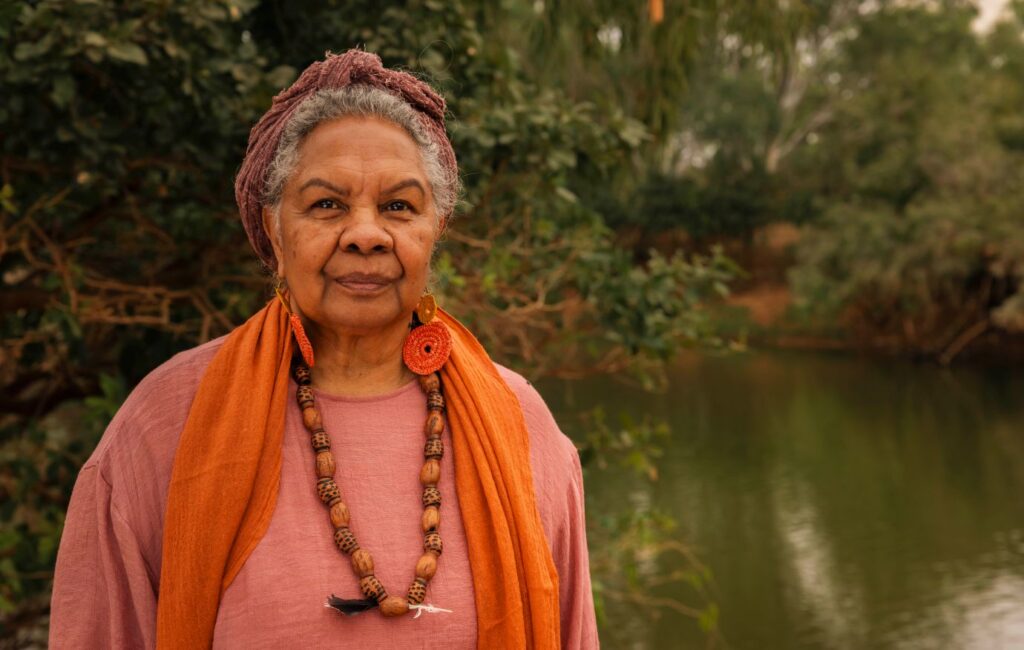
Ten Australians who have had their lives upended by climate change are taking a landmark legal case against the federal government to the United Nations.
The group of 10 claimants have filed a legal case with the United Nations Human Rights Committee, arguing the government is violating their human rights by continuing to support coal and gas companies, fuelling climate extremes across Australia.
The case, titled ‘Hard Truths’, brings together Traditional Owners, firefighters, teachers, young people and disability advocates who have been harmed by extreme events like bushfires, heatwaves, floods, rising sea levels and toxic algal bloom.
The group argues the continued approval and subsidisation of new coal and gas projects breach the government’s obligations under the International Covenant on Civil and Political Rights.
Mel Fisher, one of the claimants in the case, lives in poorly insulated public housing in Adelaide while managing some serious health conditions. She says extreme heat had left her trapped inside her home, without any safe ways to cool down.
“I genuinely thought I might die from the heat,” the disability advocate says.
“People living in poverty, people with disabilities and chronic illnesses, and people in poor-quality housing are often the ones hit hardest by climate change. For me, extreme heat directly impacts my severe auto-inflammatory skin condition and sometimes the pain gets so bad that it can feel like my skin is ripping and tearing.”
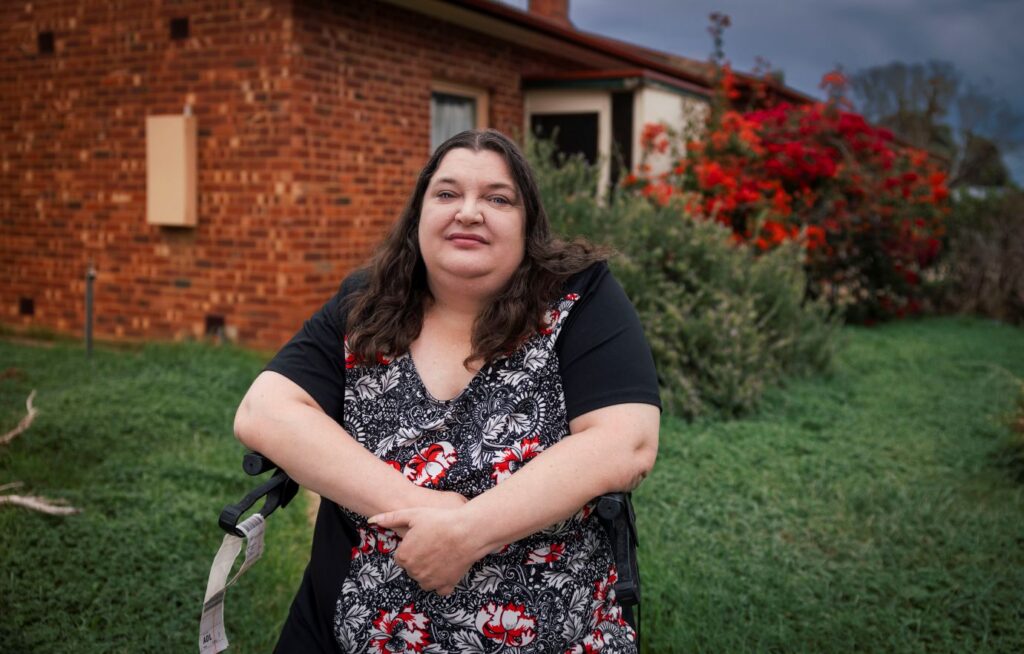
“I live in public housing with poor insulation and during heatwaves the walls become hot to touch. I constantly worry about infections, hospitalisation, heatstroke and whether I’ll be able to afford enough electricity to keep myself cool,” Fisher said.
Professor Anne Poelina, a Nyikina Warrwa and Warlungurru woman from the Kimberley region of Western Australia, joined the case to speak out about the impacts of devastating floods, biodiversity loss and worsening climate impacts across her River Country. Poelina is an Indigenous leader and researcher and advocate for living waters.
“When the river is healthy, our people are healthy. When the river suffers, our people suffer,” she said.
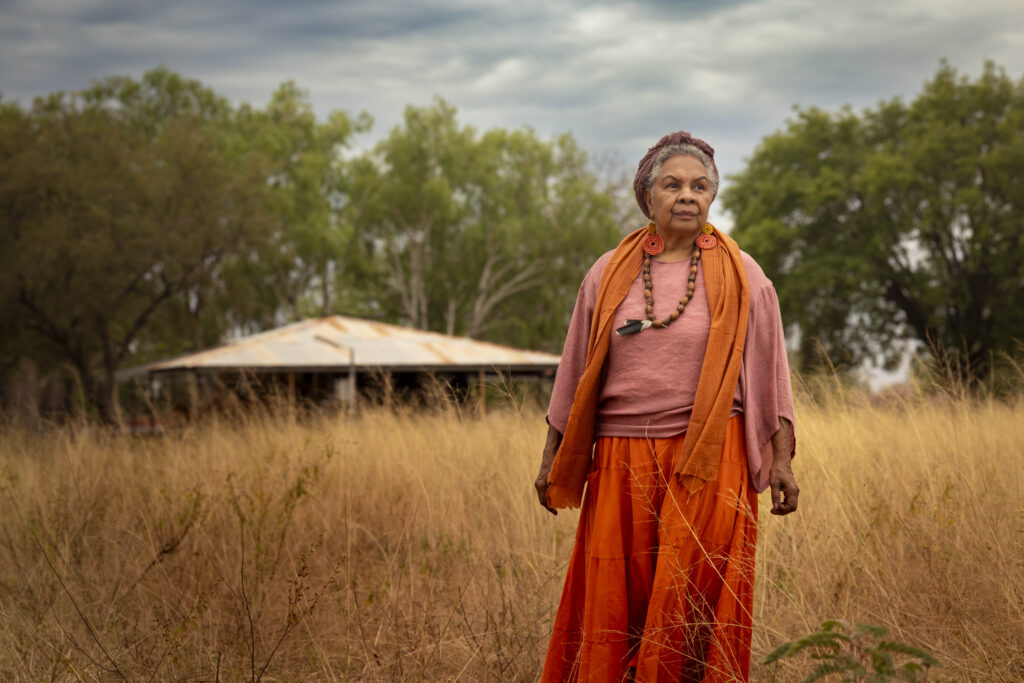
“In 2023, my home community in Balginjirr went underwater during devastating flood that displaced our people from Country, and our homes, sacred sites, gardens, food plants and the graves of our ancestors were submerged.
“I immediately understood this was not simply a “natural” disaster, but a foreseeable consequence of a warming climate.”

Narungga, Ngarrindjeri and Kaurna woman Latisha Francis has witnessed first-hand the impact of toxic algal blooms in South Australia. Francis is studying marine biology and says the algal blooms are changing the way families gather, learn and connect to water.
“I had to distance myself from the water, which felt like distancing myself from a part of me,” Francis said.
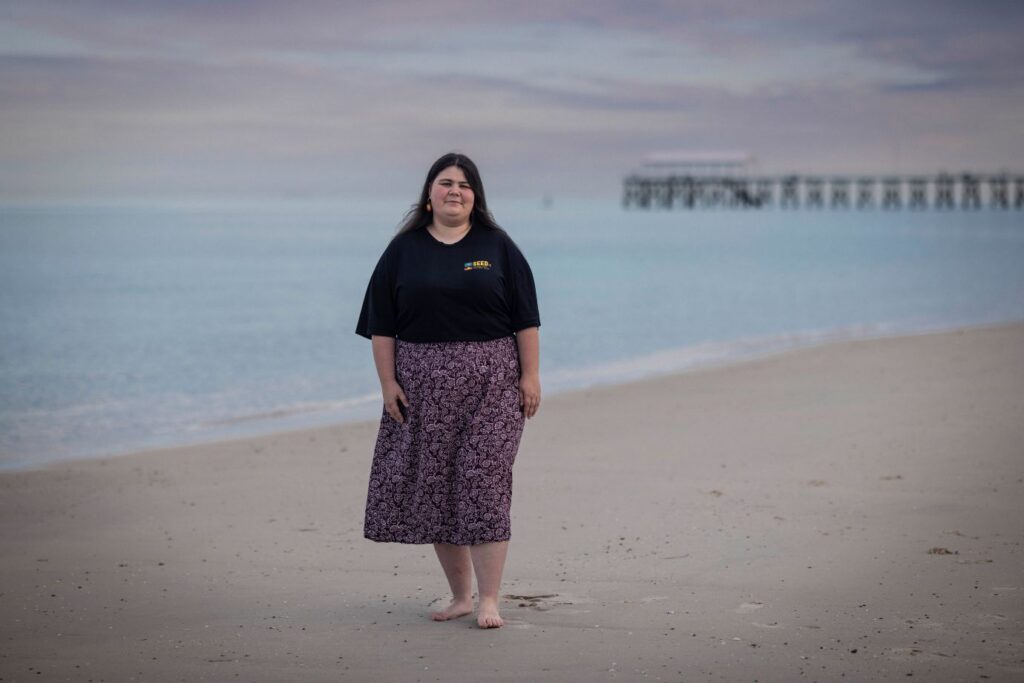
Fisher, Poelina and Francis are among the 10 people who have shared their stories and lives as part of the case. The claimants are represented by the Human Rights Law Centre, Environmental Justice Australia, and Earthjustice.
“Our clients want the Albanese government to face the hard truth that successive governments have avoided,” says Hannah White, a senior lawyer at Environmental Justice Australia.
“Climate harm caused by Australia’s coal and gas doesn’t stop at a border, and neither does Australia’s responsibility for it. They are asking the United Nations Human Rights Committee to declare that it’s unlawful for Australia to continue approving and subsidising coal and gas for export without a plan to protect people from dangerous climate change.”
The claimants will hold a press confernece at parliament house in Canberra today alongside independent MP Zali Steggall.
Feature image of Professor Anne Poelina. Credit: Rebecca Parker.