

When Moh Rezaee lost his wife Arghavan unexpectedly after she suffered a seizure at the age of 34, he had to make a quick decision about organ donation while still processing the shock of her death.
The couple had never spoken about organ donation, so he had no clear understanding of her wishes. Instead, he relied on what he knew about Arghavan’s generous character and made a choice which would go on to save multiple lives.
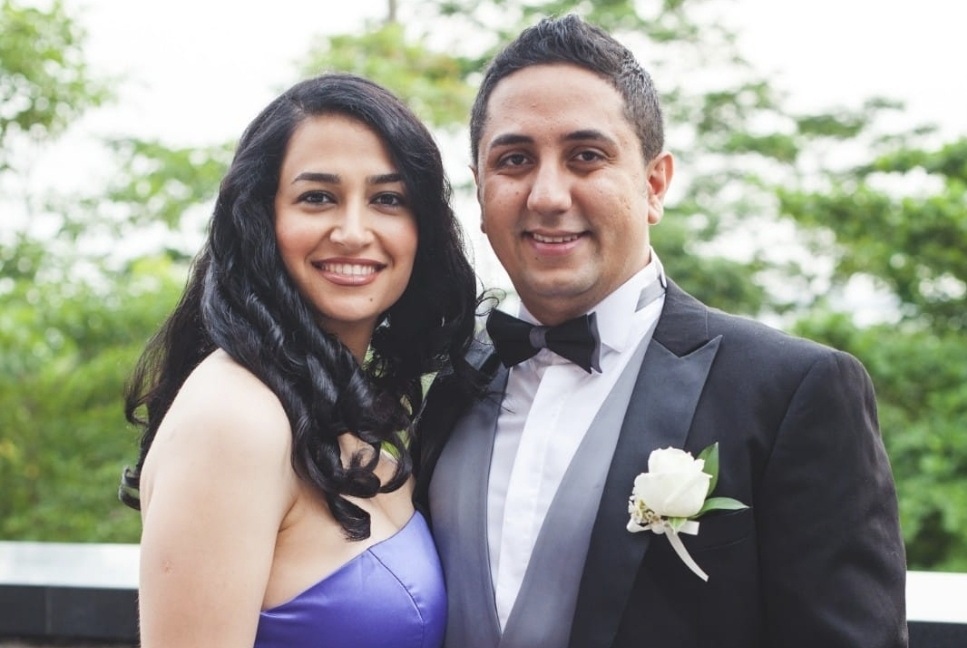
Originally from Iran, the couple married in 2012. Moh says his wife adapted quickly to life in Australia, learning English and embracing her new life while pursuing a dream of becoming a model. Together, they had two daughters, Hannah and Jana.
Although Arghavan had a history of epilepsy, her seizures were well controlled. Then, without warning, she suffered a seizure and went into cardiac arrest. By the time she was found, her heart had stopped for too long, causing catastrophic brain damage.
“It was a surprise for us, a shock for us,” Moh tells Women’s Agenda. “We had two small kids and we never thought, at such a young age, something like this would happen to us.”
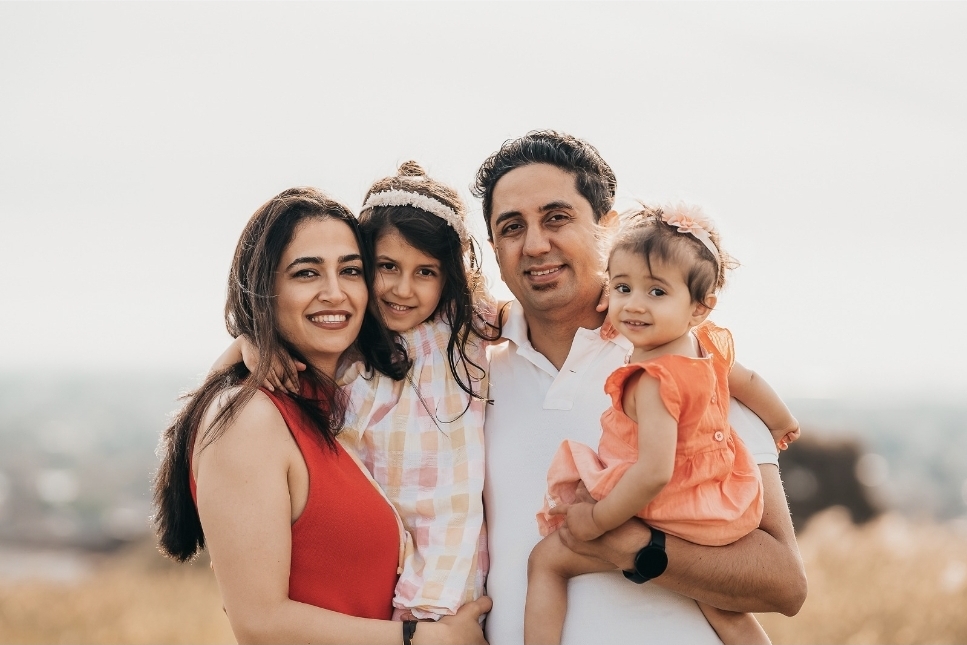
As Moh sat beside his wife’s bed in the hospital, he found himself thinking about the healthy young woman she had been just hours earlier.
“I called the nurse and said ‘she was such a young woman. She always looked after herself’,” he recalls.
“I just wondered, is there any way we can donate some of her organs to save other people’s lives?”
That question began a conversation with the DonateLife team that would ultimately change the lives of multiple families. But Moh wishes he and Arghavan had had a clear conversation about donation while she was alive.
“It’s the one thing I wish Arghavan had done in the past… but because she was so young we never had such a conversation,” Moh says.
“I wish we had had even a two-minute conversation, and she had put out her wishes [because] it would have been much easier to make a decision.”

A legacy of generosity
Without having discussed organ donation together, Moh had to make the decision on Arghavan’s behalf. What guided him was the person she had always been.
“I knew she was such a generous person,” he says. “She always wanted other people to be happy. That was the only thought I had at that time.”
He also found comfort in believing a part of her would continue living on through others.
“I believe that if we donate her organs, we could still feel her in this world and this life. It was more of my own belief,” he explains.
Currently, there are around 2000 people on the waitlist for an organ transplant and a further 14,000 people on dialysis for kidney failure, many of whom could benefit from a kidney transplant.
After making the decision, Moh went on to receive some anonymous letters through DonateLife from people who had received Arghavan’s organs. One letter, from the parent of a child who had received a kidney transplant, has stayed with him ever since.
“They told me they finally had a normal life again,” Moh says. “I started crying that night. It was such a relief to know it had changed people’s lives.”
Looking back, he has no doubt he made the right decision.
“I feel so happy that I could make such a decision that could save other people’s lives,” he says.
Moh says the decision about organ donation was one of the hardest moments of his life and one he believes could have been made easier by one conversation.
It’s a conversation Moh encourages every Australian to have with the people they love.
“I know it’s a difficult conversation,’ Moh shares.
“[But] it helps the person who is left behind to make a decision much easier, because you don’t know how much pressure there is at that point of time.”
Anyone in Australia aged 16 and over can register as an organ and tissue donor. It only takes one minute, and has the potential to change lives. After you’ve registered, it’s important to tell your family you want to be a donor. This conversation can go a long way to easing the burden of indecision for your family during a difficult time.
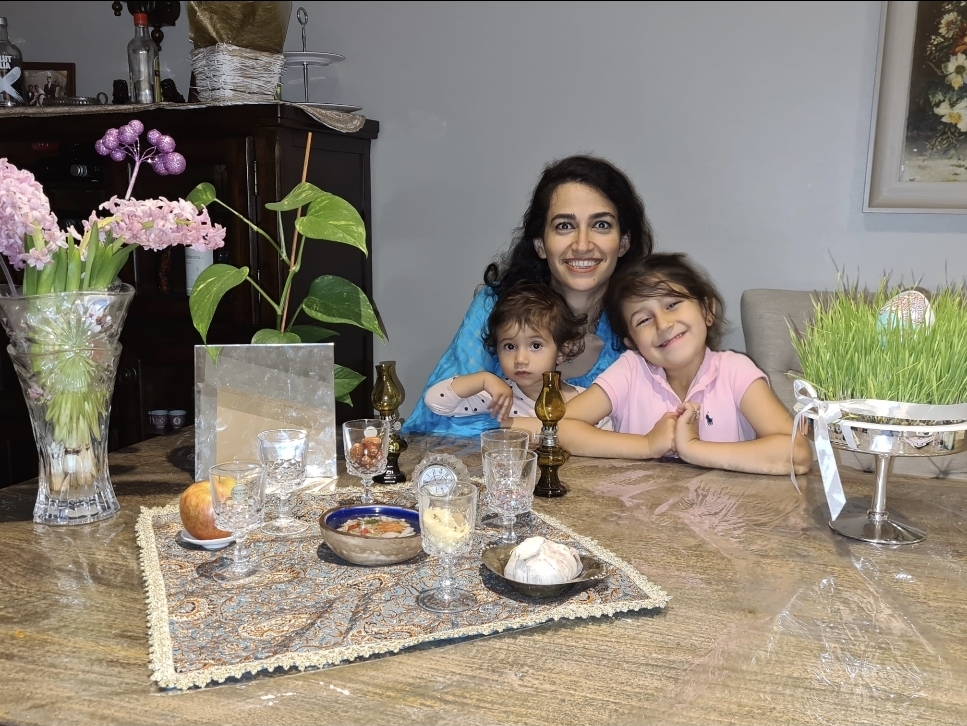
Moh says he has explained to his oldest daughter, Hannah, about the extraordinary legacy her mother left behind.
“I explained to her that her mum was generous and loved helping people,” he says.
“She’s very proud that her mummy saved other people’s lives.”
Find out more about organ donation at donatelife.gov.au.
It only takes one minute to register as an organ and tissue donor at donatelife.gov.au or through Medicare. Then, tell your family you want to be a donor.