
Children without mothers, parents without daughters, lost sisters, aunts, friends, and colleagues. Families, friendship groups and communities shattered.
The toll of the past week of violence against women has been beyond words, with two women and two teenage girls killed in just four days.
Further to this unbearable toll is the loss of the surviving children: a four-month-old baby, two young children, and the friends and family of two teenagers.
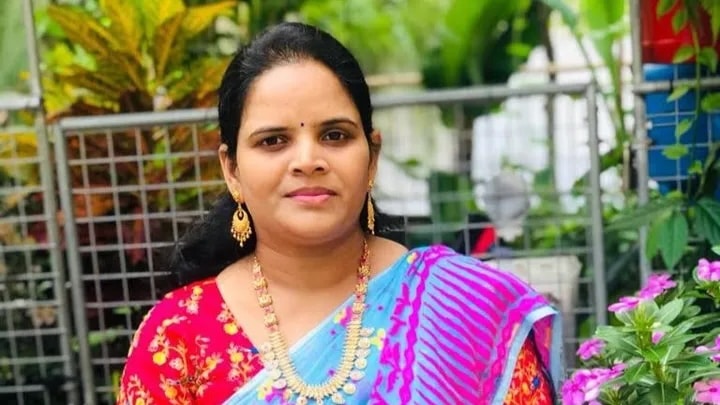
Lavanya Chappa’s 7-year-old and 13-year-old were in the home when their father allegedly stabbed their mother to death. They had no family in Australia, having just moved here in 2025. When their Aunt and her husband made a desperate bid to get to Melbourne, their visas were initially denied. The children spent five days in protective custody before the Commissioner for Domestic and Family Violence, Micaela Cronin, intervened to ensure their second visa attempts were successful. Lavanya’s sister Vijaya flew for twenty hours before arriving in Sydney on Sunday night and then driving to Melbourne.
Chappa has been described as warm, compassionate, and devoted. She was dedicated to her work and career.
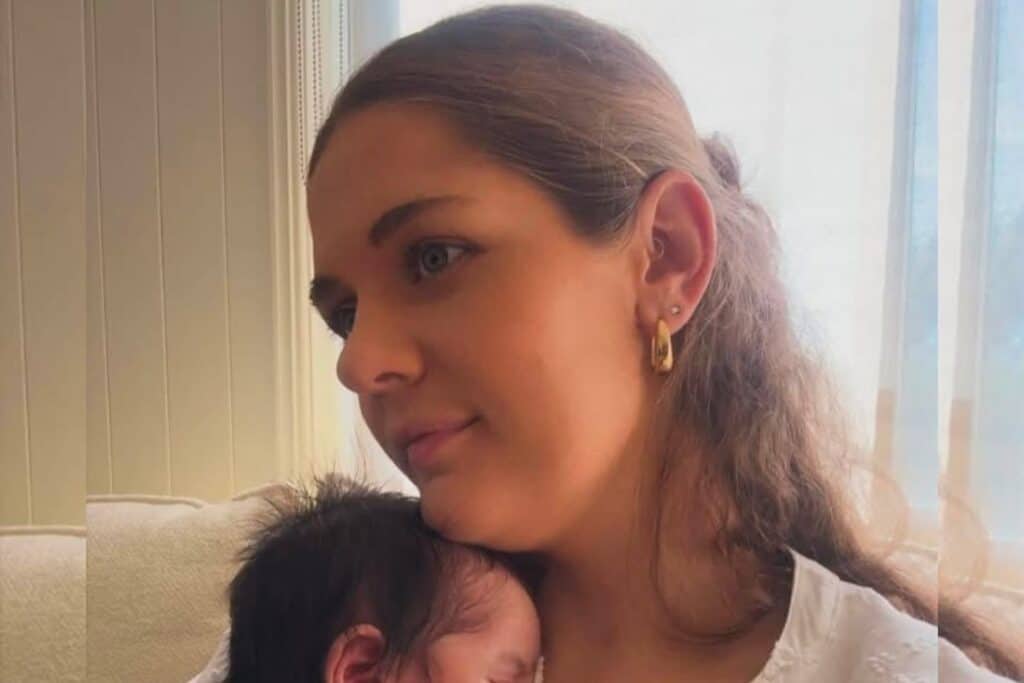
Just 30, Jana Armstrong had only recently celebrated the birth of her first child. Remembered as caring, calm and loving, her four-month-old son will now be raised by Jana’s sister, Faith Isaacs. Jana’s family is mourning, and they must now contend with supporting a newborn with no comprehension of how his whole world is suddenly gone. A 48-year-old man and ex-partner of Jana has been charged with her murder, after Jana’s remains were found in bushland in regional Queensland. Faith told ABC News she wants Jana to rest “next to Mum and Dad” and that together they will also look after the baby girl she recently lost. “I am looking after her baby boy,” she said.
Meanwhile, the children of two separate communities are grappling with the loss of their friends.
A 17-year-old Yolŋu girl was killed, allegedly by a man known to her. Her home was in the remote Northern Territory community of Galiwin’ku, on Elcho Island. For cultural reasons, we don’t know her name, but we can only imagine the pain her friends, family, and the East Arnhem Shire community are experiencing. A 34-year-old man has been charged with her murder, with police investigations indicating the man “was in a domestic relationship” with the teen. Representatives from the East Arnhem Regional Council have condemned the violence, saying “in our culture, women are sacred”. In a social media post, Galiwin’ku Women’s Space Aboriginal Corporation said there are “no words” to “ease the pain of losing someone so young”. They urged the community to continue surrounding the family with kindness, care and respect.
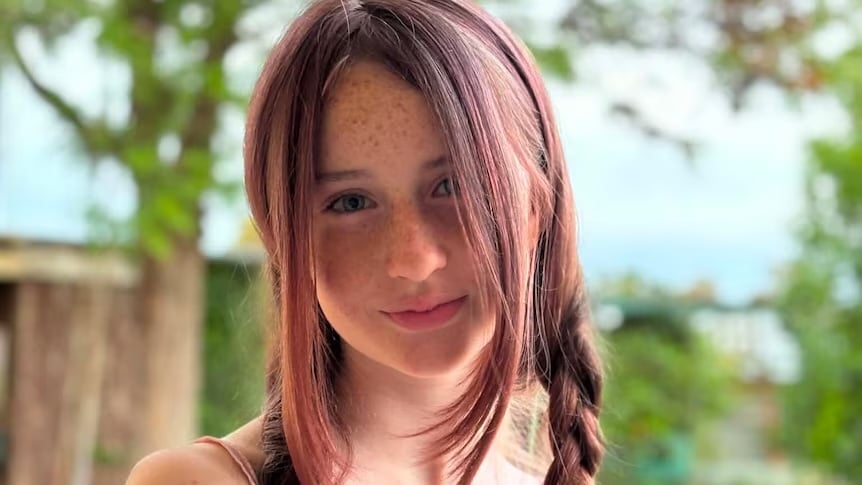
And at just 13, Layla Jeffery (pictured at top of story) is also dead, allegedly murdered by a 16-year-old male. Layla was from the small community of Donald, around 280 kilometres from Melbourne. Her remains were found after she failed to return home in the early hours of 4 July. She’s been remembered by her aunt as the “sweetest girl”. Community members described her as having a great group of friends, who were sticking together to get through the loss.
Once again, this spate of deaths in a short period of time will raise attention to the issue of male violence against women in Australia.
Once again, there will be outpourings of sympathy, support, anger, and calls that we “must be better” by policymakers.
And yet we continue into the second half of 2026 with no meaningful change in terms of the level of funding frontline services are calling for to prevent violence against women and to meet the demand of women and children seeking help.

There has been some tinkering around the edges, most notably in NSW where an additional $184.1 million was unveiled to support specialised DFSV services. That figure is over four years. It’s something but not enough for the crisis that Australia is facing.
In Victoria, nearly $100 million was allocated for family violence services that were due to see their funding dry up at the end of the financial year just gone. But with an eight per cent increase in family violence in 2024-25 according to Crime Statistics Agency data, it’s still not enough to meet the surging demand/
In Queensland, $40 million has actually been cut from the Domestic and Family Violence prevention program in the 2026-27 budget.
In 2024, the Northern Territory coroner delivered findings and recommendations from a landmark coronial inquiry into the domestic violence killings of four Aboriginal women in the territory. In the May Budget, the NT government cut funding for domestic, family and sexual violence services from $71 million to just $63 million.
There were no meaningful budget additions for addressing the crisis in the Federal government’s 2026-27 budget.
Thirty-seven women and 17 children have been killed by violence since January 1 this year, according to Sherele Moody, who continues to document the toll and the stories of those lost on The Red Heart Movement memorial page.
State by state and federally across the country, the pattern has been the same. Lots of talk of grief and loss, but little talk of serious funding numbers the sector is calling for to help prevent, deal with, and end violence against women and children.
If you or someone you know is experiencing, or at risk of experiencing, domestic, family or sexual violence call 1800RESPECT on 1800 737 732, chat online via 1800RESPECT.org.au or text 0458 737 732.
If you are concerned about your behaviour or use of violence, you can contact the Men’s Referral Service on 1300 766 491 or visit www.ntv.org.au.
Feeling worried or no good? No shame, no judgement, safe place to yarn. Speak to a 13YARN Crisis Supporter, call 13 92 76. This service is available 24 hours a day, 7 days a week.
In an emergency, call 000.