
Who pays the price when corporate culture goes haywire is in the numbers at accounting firm KPMG Australia, where almost 400 jobs will go, thanks in part to the accounting firm’s audit-leaks scandal.
The firm has faced a Senate Inquiry and extensive scrutiny over allegations that it misused confidential client information to try to win business and then mishandled a whistleblower complaint on the issue. It’s been suspended from applying for government audit contracts and is being reviewed by some of its larger clients that contract KPMG for auditing.
While the impact of AI and other factors on consulting businesses can also be attributed to the job losses, the firm’s alleged misconduct by some of its key leaders can’t be overlooked.
And given that the majority of the losses will come from consulting — the area hardest hit by AI — it’s clear many of those being shown the door first are the least likely to be connected with the alleged misconduct. They are also now facing a tough employment market, given the macro challenges affecting consulting businesses generally.
Worse, the 27 partners and 360 other staff members who have been let go (amounting to five per cent of the workforce) may merely be the start.
The firm’s Australia chief, John Sams, said in a statement that more cuts are to come following further “internal and external” reviews that will be finalised in the coming months. The findings will form the “next phase” of the firm’s action plan to ensure “necessary action” is taken.
While AI was one factor in the restructuring behind these first job cuts, which followed a $2.1 billion revenue decline, Sams conceded that another major issue is the firm’s inability to retain government contracts following allegations that audit partners misused client data.
He said the redundancies follow “continued economic weakness, difficult market conditions and the impact of the firm’s conduct and whistleblower matters.”
“Our immediate focus is on treating everyone impacted with care, dignity and respect. We are providing practical support and making wellbeing support central to the process,” he said.
“This is not a decision that has been taken lightly, and we know it will have a very real impact on people.”
Labor Senator Deborah O’Neill shared in parliament earlier this year the allegations from a whistleblower that confidential board papers from Lendlease were used to help the firm bid for major tenders from Dexus and Westpac.
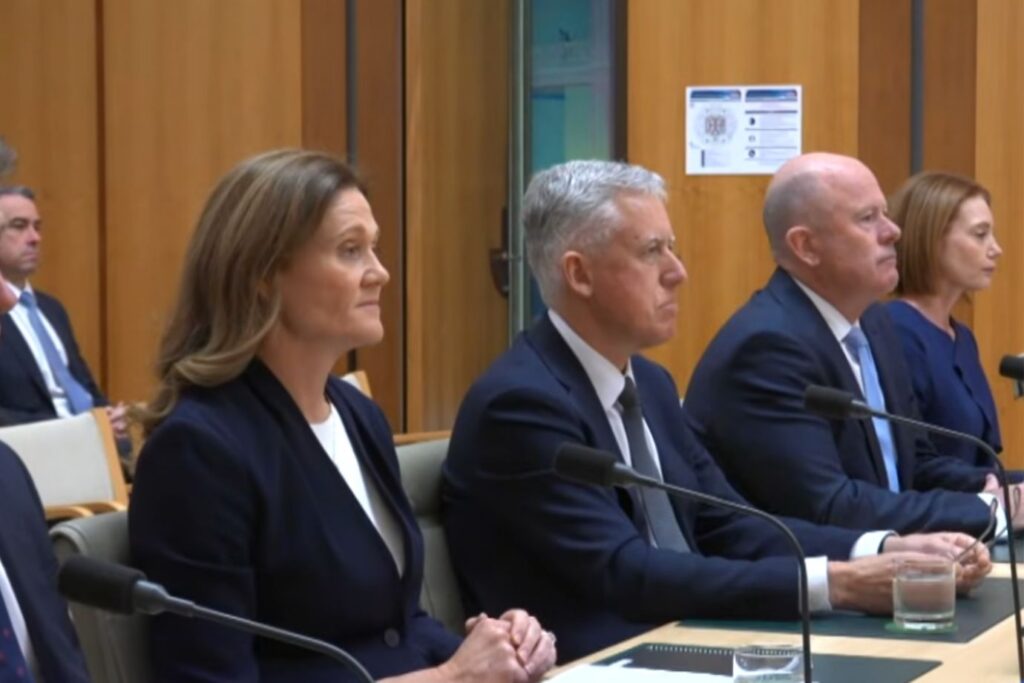
A number of current and former partners then fronted a Senate inquiry last month to explain why the firm had allegedly shared client information. Meanwhile, three leaders from KPMG International who previously had connections to the Australia office have rejected requests to appear as witnesses.

Back in June, the firm’s then Chair Martin Shepphard incorrectly told O’Neill, “Sorry we don’t have to give you all the information you’re asking for.” As part of a parliamentary investigation, KPMG were required to hand over the information.
The firm is looking to rebuild trust with clients but it must also rebuild trust with its own people — especially those left to put in the work who had nothing to do with the alleged misconduct.
It’ll take some work during what’s already expected to be a challenging period ahead for accounting firms. Another sorry saga demonstrating the trickle-down consequences of poor decision-making and a culture lacking accountability.