
Seeing an Australian male CEO on the world stage last week talking workplace gender equality was a reminder that deep commitments to change can happen.
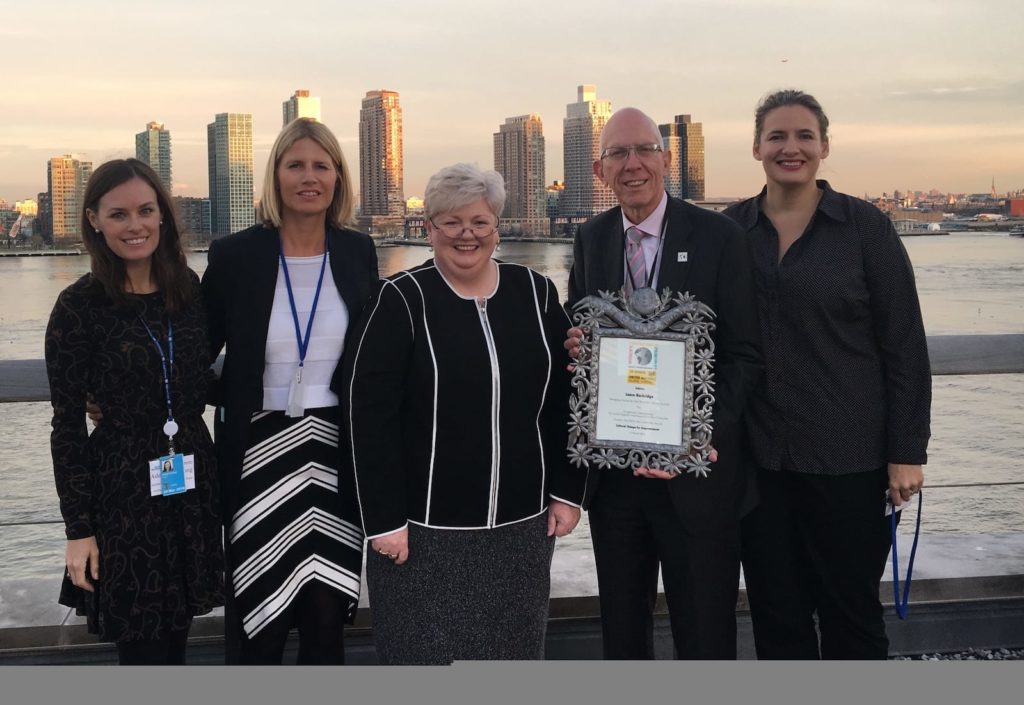
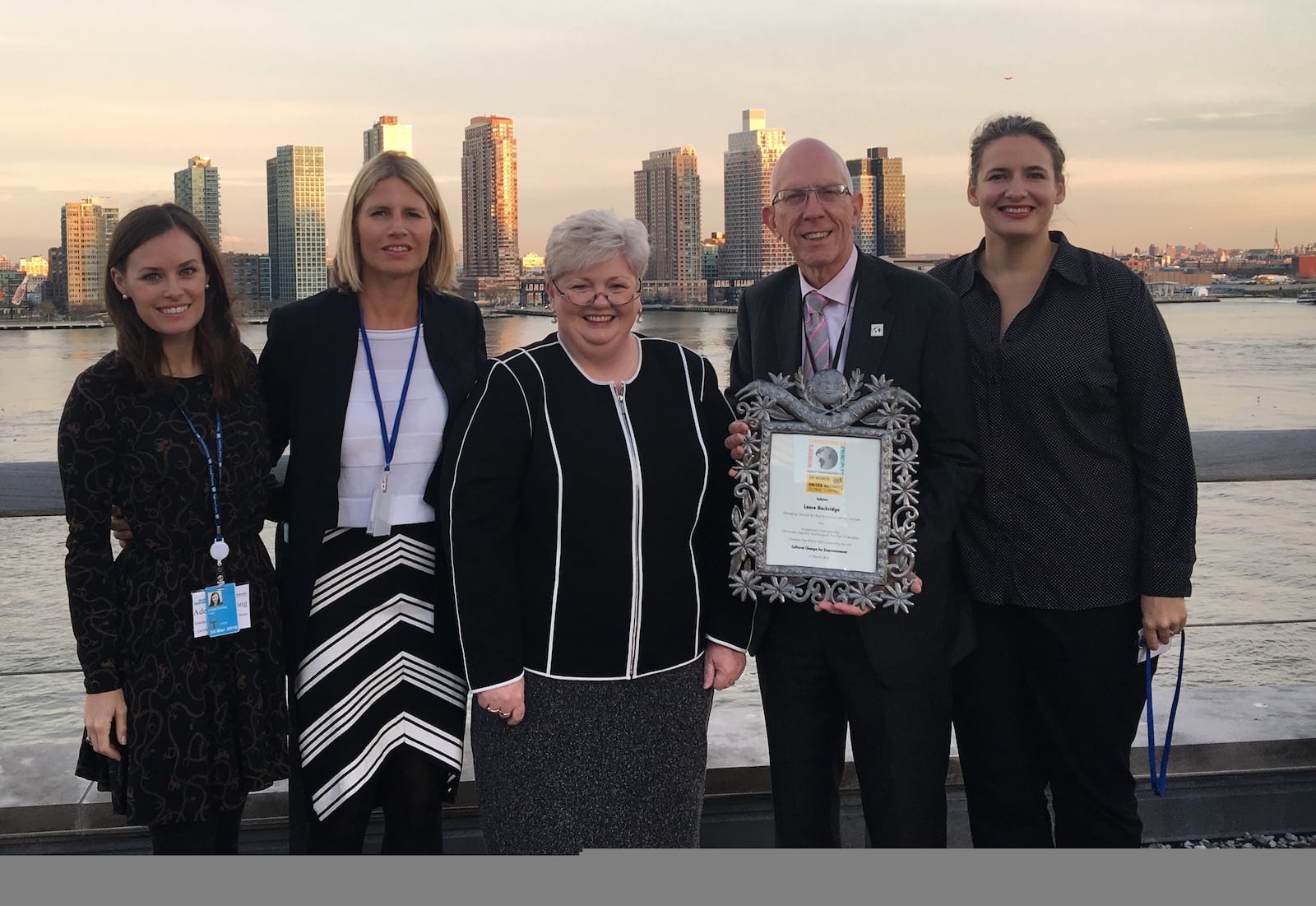
Aurizon CEO Lance Hockridge was recognised for his work in gender diversity and inclusion, taking the ‘Cultural Change Towards Empowerment’ award at the UN’s Commission on the Status of Women.
He also shared the stage with UN Secretary General Ban Ki-Moon to discuss empowering women at work, along with former Sex Discrimination Commissioner Liz Broderick.
Aurizon is a great example of an “even in the most” situation.
In this case, it’s that even in the most male dominated of cultures leaders can commit to turning things around in a relatively short time frame
Aurizon is the country’s largest and oldest publicly owned railroad, going back more than 150 years, and has long had a deeply entrenched ‘blokey culture’.
Just five years ago, when the company was privatised, 90% of its employees were male. As Hockridge says, it’s long been male-dominated in “numbers, style and power systems”.
But Hockridge has placed an emphasis on promoting diversity and inclusiveness.
“We believe such a change is not only long overdue, it is the right thing to do for a values-based organisation such as ours, and it provides clear commercial benefits for our company,” he told the New York audience.
He said the company’s creating an “interventionist approach to change”. That is one that challenges all norms of understanding and behaviour. The business has established clear principles, policies and goals – including to hit its target of a 30% female workforce by 2020 (remembering it started at just 10% five years ago). It’s currently at 17% and Hockridge concedes there’s a significant challenge ahead. Two of its eight board members are female, while there’s just one woman in its eight-person executive leadership team.
The company needs to work at a number of different programs and measures to meet such goals. It needs to rethink the game on recruitment and retention, and be an absolute leader in programs that promote women’s workforce participation.
Aurizon’s recent paid parental leave policy is just that kind of program. It puts a new emphasis on paying men to stay home and look after children, ultimately promoting a cultural shift supporting equality at home as well as at work. It’s called ‘Shared Care’, as its mandate is to see more fathers and partners sharing the caring responsibilities for newborns, and helping to reduce the impact that extended breaks from the workforce have on women’s careers.
For a company that’s still heavily dominated by men, it’s a bold (and potentially expensive!) move. And as we noted reporting the move a couple of weeks back, it’s certainly one that may encourage more women to work there.
Finally from Hockridge: “We believe that fundamentally change in women’s empowerment will come on the back of visible felt leadership.”
There’s a long road ahead for Aurizon, but with great leadership big change is certainly possible.