
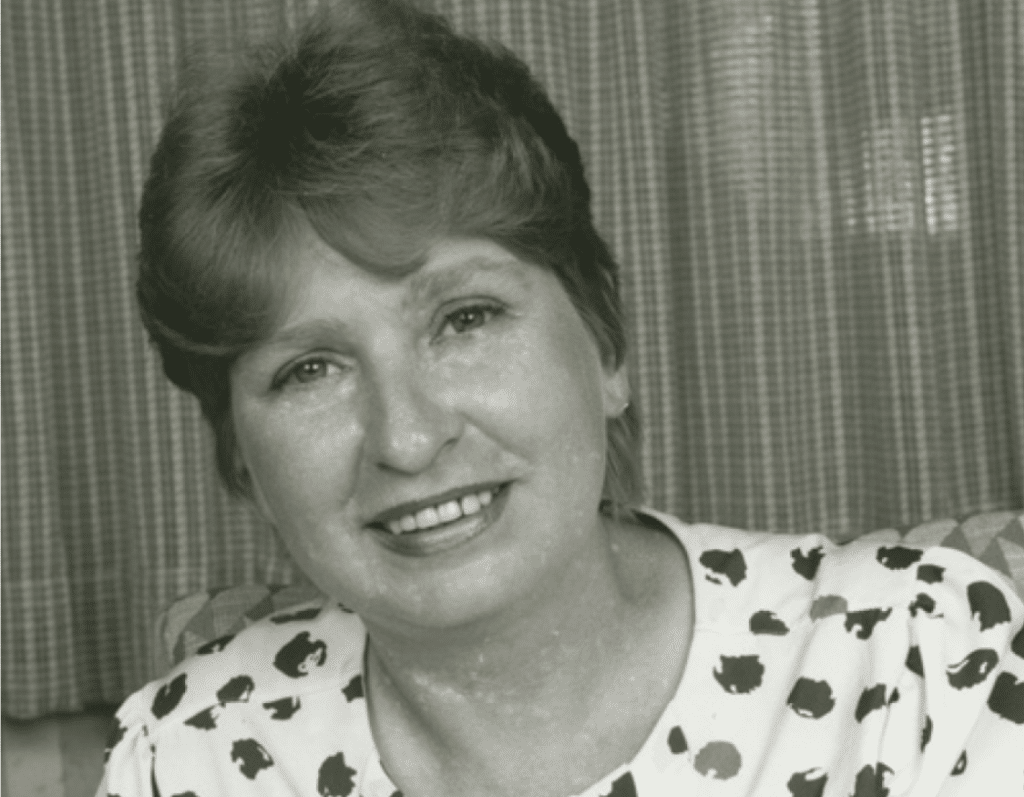
Tributes have flowed in for Mary Gaudron, Australia’s first woman appointed to the High Court, who sadly died on Sunday at the age of 83.
Gaudron’s appointment in 1987 marked a major shift in the composition of the nation’s highest court and she remained its only female justice until her retirement in 2003.
Her career was defined by a series of historic firsts. After studying law at the University of Sydney, she was admitted to the NSW Bar in 1968. She later became the first woman elected to the NSW Bar Council, the first woman in the state to take silk and, in 1981, the first female solicitor-general in an Australian state.
Gaudron was born in Moree in 1943 and was the eldest of five children. Her father, Edward Gaudron, worked as a train driver. Being raised in a working class family informed Gaudron’s lifelong interest in the ways institutions treated people without power or privilege.
She also encountered discrimination directly. When she sought legal work, some firms told her they did not employ women as articled clerks. She instead joined the Commonwealth Public Service, but was required to resign when she married under the rules operating at the time.
In a speech in 2005, Gaudron recalled how her experiences as a woman and a child growing up in regional NSW had shaped her understanding of the law.
“I knew that the laws of this country discriminated against its women and its Aboriginal people, against more than half the population,” she said. “The laws were clearly ripe for reform.”
Her legal career included work in industrial law, equal pay and discrimination. She was appointed to the Conciliation and Arbitration Commission in 1974, becoming the youngest federal judge in Australia at the time.
On the High Court, Gaudron participated in some of the country’s most significant constitutional and public law decisions. She was among the justices involved in the 1992 Mabo judgment, which rejected the doctrine of terra nullius and paved the way for the legal recognition of native title.
Her influence was not limited to the judgments she delivered. Gaudron’s appointment demonstrated that women could occupy the most senior judicial offices, while her earlier advocacy exposed the barriers that had kept many women out of the profession.
Governor-General Sam Mostyn said Gaudron’s career had “transformed Australia’s legal landscape”.
“As the first woman appointed to the High Court of Australia, and the only woman Justice in the Court’s first century, she broke new ground and inspired generations of Australians to pursue careers in the law and public service,” Mostyn said.

Attorney-General Michelle Rowland described Gaudron as “a trailblazer of remarkable intellect who helped reshape the legal profession in Australia”.
“Justice Gaudron broke barriers at every stage of an extraordinary legal career, and we will remember her contributions for decades to come,” Rowland said.
The current justices of the High Court said Gaudron had advanced the position of women in law “by her advocacy as well as her example”. They also recognised the significance of her 16 years on the bench, describing her contribution to the court’s work and character as profound.
After leaving the High Court, Gaudron served on the International Labour Organisation’s Administrative Tribunal in Geneva until 2012.
Her legacy sits both in the law itself and in the professional landscape she helped change. The women who followed her into senior judicial roles did so in an institution that had, for its first century, never appointed a woman.
Gaudron is survived by her three children, Danielle, Julienne and Patrick.