

Sleep deprivation, identity shifts and the responsibility of caring for a new baby day in, day out in the early weeks of motherhood are not easy to navigate.
It’s around this time that many women also navigate bouts of postnatal depression or anxiety, as explored recently in The Motherhood Index, a piece of research released by Women’s Agenda in partnership with Medibank.
Indeed, nearly 40 per cent of mothers surveyed told us they have experienced or are currently experiencing postnatal depression and anxiety.
Loneliness, which was found to be a common experience for new mothers, can make these experiences of postnatal depression and anxiety even harder to navigate.
Feeling isolated can reduce the likelihood of mothers reaching out for support, creating a cycle where the fear of being a burden keeps them from asking for the help they need.
The Motherhood Index found 73 per cent of mothers feel lonely at least a few times each month.
And it’s not just those early weeks and months where women are at risk of poor mental health, research shows postnatal depression actually peaks at four years when women have gone through an extended period of feeling alone, frustrated and exhausted.
Clinical psychologist Frances Bilbao, who runs the bulk-billed psychology practice Mums Matter, says the impact of loneliness on new mums should be kept front of mind.
“Loneliness can be both a contributor to, and a consequence of, mental health difficulties in early motherhood,” Bilbao tells Women’s Agenda.
“When women are already navigating sleep deprivation, identity change and the relentless responsibility of caring for a baby, a lack of meaningful connection can intensify anxiety, low mood and feelings of inadequacy.
“Without trusted people around them, mothers can also lose the reassurance that what they are experiencing is understandable—and often shared by others.”
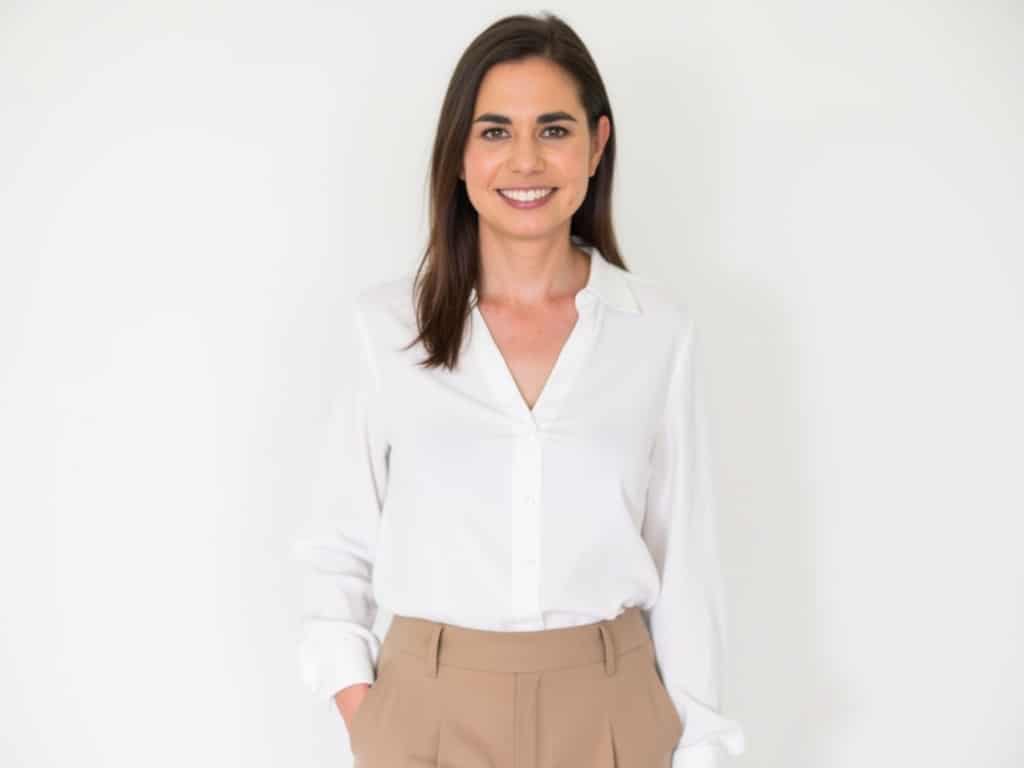
Bilbao says a new mother may be surrounded by people, constantly with her baby and active in group chats, but still feel profoundly alone. Speaking up about it is really difficult to do, she says, noting women often feel ashamed.
“We still romanticise motherhood as a naturally joyful and socially connected time, which can make loneliness difficult to admit,” Bilbao says.
“Because loneliness is often interpreted as a personal or social failing rather than a predictable consequence of how unsupported many families have become, women can feel ashamed to speak about it.”
How new mums can find social connection and support
There can be a lot of pressure on the idea of finding a ‘perfect’ friendship group of other new mums after having a baby, but Bilbao advises women to instead focus on creating small moments of regular connection.
“Repeated, low-pressure contact—attending the same parents’ group, library session, walking group or local activity each week—allows genuine relationships to develop over time,” Bilbao explains.
A small act of courage to build in some elements of vulnerability can help deepen these social connections, too.
“It can also help to be brave enough to move beyond polite conversation and say, “I’ve found this harder or lonelier than I expected,” she says.
“Often, that honesty gives another mother permission to say, “Me too.”
But if loneliness is persistently affecting a mum’s wellbeing, it’s important to reach out to a trusted person or health professional like a GP or psychologist. Bilbao notes that social support and professional support serve different purposes, and sometimes both are needed.
Asking for support isn’t a failure
The Motherhood Index found that for some mothers, the fear of being a burden can prevent them from reaching out or even accepting help when it is offered.
During a roundtable we held on the topic, as a story was raised about a mother who was so overwhelmed and depleted but felt bad for accepting help. One day, an older neighbour knocked on the door to find the young mother in tears and covered in vomit.
“Go and have a shower, I’m going to come in, ” the neighbour insisted. This small act of support turned into a two year support relationship.
Bilbao explains that feeling like a burden is often a sign that a mother has been carrying too much for too long—not evidence that she is asking for too much.
“Most people genuinely want to help but may not know what is needed, so specific requests can make it easier: ‘Could you hold the baby while I shower?’, ‘Can you come for a walk?’ or ‘Could you check in with me tomorrow?’” Bilbao explains.
Our research found 76 per cent of mothers found getting out of the house helped them cope with anxiety or depression, while 50 per cent found therapy or counselling helpful. The majority (70 per cent) said leaning on their family and friends was useful.
But the key, Bilbao explains, is to stop treating help as something mothers must “earn” before reaching a crisis point.
“Asking for support is not a failure of independence; it is a healthy response to a stage of life that was never meant to be navigated alone,” Bilbao says.
You can find our Beyond the Village report, produced in partnership with Medibank, here.