
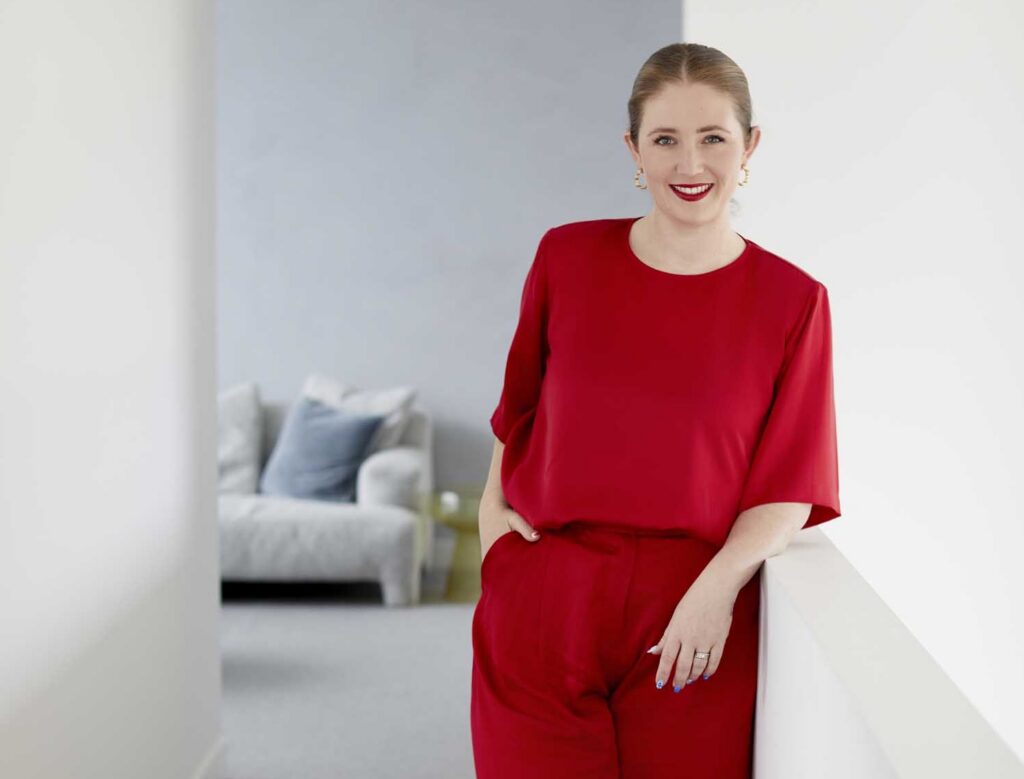
I sit across property campaigns most weeks, and there is a woman who keeps turning up in the data and almost never in the marketing. She is single, she is buying on her own, and depending on her life stage she might be a first-home buyer, a single parent, a downsizer, a woman starting again after separation, or someone who has decided she does not need to wait for a partner to put her name on a title.
On one Fitzroy project we worked on, around 30 per cent of buyers were single women. That should have changed the conversation, yet too often these moments are treated as a sales footnote rather than a brief for the next campaign. Why are we not talking about this audience more seriously? Why are we not building and marketing homes with her in mind?
The numbers are not a secret. Single women buy close to one in eight homes sold in Australia, almost the same rate as single men, and over a decade their purchases grew by more than a tenth even as buying by single men fell. She is not a niche.
She is already a buyer showing up in sales reports, proving she will act when the product, price, and pathway make sense.
And yet, open almost any apartment campaign and look at who it is built around. Two people in the imagery. A second toothbrush by the sink. A shared bottle of wine on the balcony. The default buyer is still a couple, because that is the buyer the industry remembers and the renders keep reproducing. The single woman walks into the display suite, sees herself nowhere in what brought her there, and the room calls her hard to convert. She is not hard to convert. She was asked to buy into a version of home that had written her out.
This is not about blaming developers for every social issue attached to housing. They are navigating construction costs, planning delays, finance, permits, feasibility, presales and interest rates, often before a customer sees a brochure. But that is exactly why the obvious wins matter. Understanding who is most likely to buy before the product is designed, positioned and taken to market is not a soft exercise. It is commercial discipline.
It also has a bigger consequence. Australians Investing in Women and Per Capita found women take three years longer than men to save a deposit and now make up nearly six in ten people turning to homelessness services. AHURI has reported that women’s homelessness rose around 10 per cent between 2016 and 2021, compared with 2 per cent for men. The woman buying her first apartment alone at 34 and the woman facing housing insecurity at 64 are not separate stories. They are often the same story, shaped by lower lifetime earnings, caring breaks, smaller super balances, separation and the arithmetic of trying to build security on one income.
That is why marketing is not as small as it looks. How an industry pictures a buyer is an honest x-ray of who it takes seriously. When every campaign assumes a second income and a partner on the title, it misses out on revenue, relevance, and the chance to make women more visible while housing security is still possible.
I run property accounts with a leadership team that is 80 per cent women, and the difference is not ideological. It means someone in the room is paid to notice her. We look at the data, the barriers, the emotional and practical drivers, because good marketing is not just about making something look beautiful. It is about understanding who you are trying to move and what is making them hesitate.
Single women are already buying homes on their own terms, with their own deposits and their own names going on the title. The opportunity is sitting in plain sight. The question is whether the property industry is prepared to see her before the sales report forces it to.