
My inbox is drowning in International Women’s Day invitations. Panel discussions featuring inspiring women leaders. Breakfast events celebrating female entrepreneurs. Awards ceremonies honouring trailblazers. We will attend these gatherings in March, listen to powerful speeches about progress and possibility, and walk away feeling momentarily hopeful. And then Monday will come. Reality will set in. And some man in a suit will tell a woman to smile.
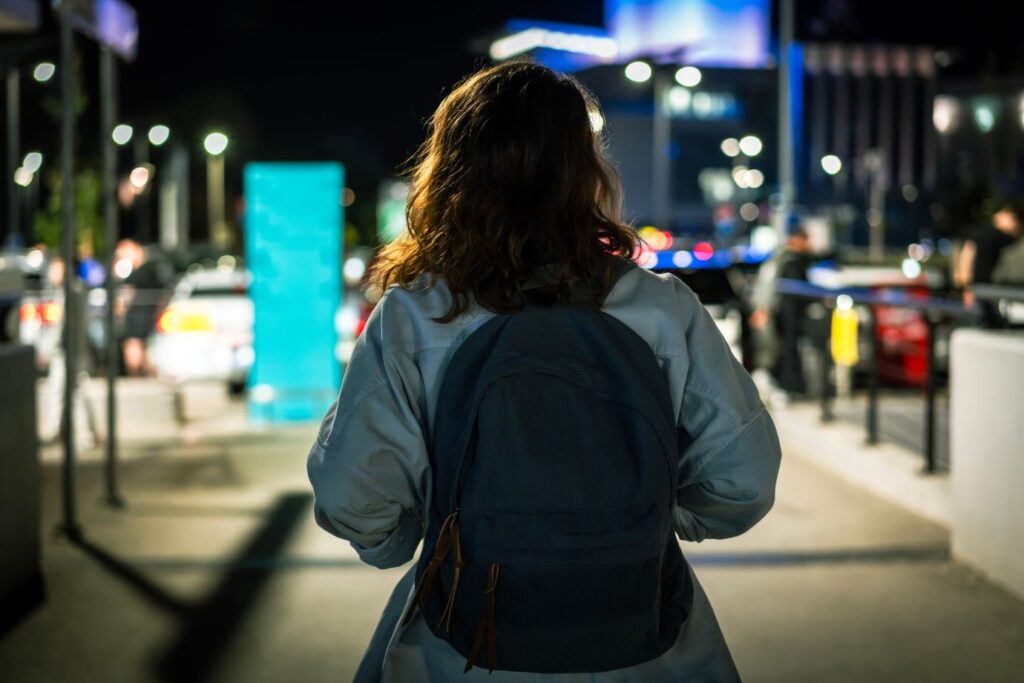
This week, my colleague was walking between meetings in the city, lost in thought, the mental juggling act most women know intimately. A middle-aged man in business attire approached her. “Smile,” he said as he passed. “You’ll look prettier.”
She returned to the office stunned, then furious. When she recounted the interaction, our male colleague responded with genuine disbelief: “I didn’t think men like that existed anymore.”
They do. They absolutely do. And incidents like this expose the exhausting gap between the glossy promises of gender equality events and the daily indignities women still endure.
Let us dissect what actually happened here. A stranger, a man, felt entitled to comment on my colleague’s appearance and instruct her on how to improve it for his viewing pleasure. Not “smile because you’ll feel better.” Not “smile because positivity is contagious.” Smile because your purpose, your value, exists in being aesthetically pleasing to men passing you on the street.
Would this man have said the same thing to another man in a suit, striding purposefully between appointments? We all know the answer.
My colleague wasn’t smiling because maybe she’d just received difficult news. Maybe a meeting went badly. Maybe she was calculating whether she could make it home in time for her children and simultaneously planning dinner while replying to emails in her head. Maybe she was concentrating. Maybe she was tired. Maybe, and here’s a radical thought, her facial expression was none of his business whatsoever.
The arrogance required to believe you have the right to comment on a stranger’s appearance, to evaluate their attractiveness, to issue instructions on how they should rearrange their face for your benefit, is staggering. Yet it happens constantly. Research from Cornell University found that 85 per cent of American women experience street harassment before age 17. A 2021 UN Women UK study revealed that 97 per cent of women aged 18-24 have been sexually harassed, with public space harassment being endemic.
These are not isolated incidents. They are symptoms of a culture that still views women as decorative objects rather than as full human beings navigating the world with autonomy, agency, and their own complex inner lives.
This is why International Women’s Day increasingly feels performative. We gather, we celebrate, we applaud ourselves for progress. Companies change their logos to purple. LinkedIn fills with posts about female empowerment. And then we return to a world where women are still expected to prioritise being pretty over being productive, present, or simply existing in public spaces without harassment.
The workplace gender pay gap in Australia sits at 21.7 per cent. Women perform 64 per cent of the world’s unpaid care work. One in three women globally experiences physical or sexual violence. But sure, let us focus on whether she is smiling enough.
The exhaustion is real. The despair is justified. Every time we are told we are making progress, another man reminds us exactly where he thinks we belong—decorative, pleasant and subservient.

I look at those International Women’s Day invitations with profound ambivalence. Yes, we need these spaces. Yes, representation matters. Yes, celebrating women’s achievements has value. But we also need men, particularly those who “didn’t think men like that existed anymore”, to understand they do exist. They exist everywhere. They are in suits on city streets. They are in boardrooms and in the halls of parliaments. They are making decisions about women’s bodies, women’s careers, women’s worth.
Real change won’t come from annual breakfast panels. It will come when men stop policing women’s faces, bodies, choices, and existence. Until then, forgive me if I’m not feeling hopeful about progress especially in the bleakness of today’s world. And remember ladies, “smile, you will look prettier”.