
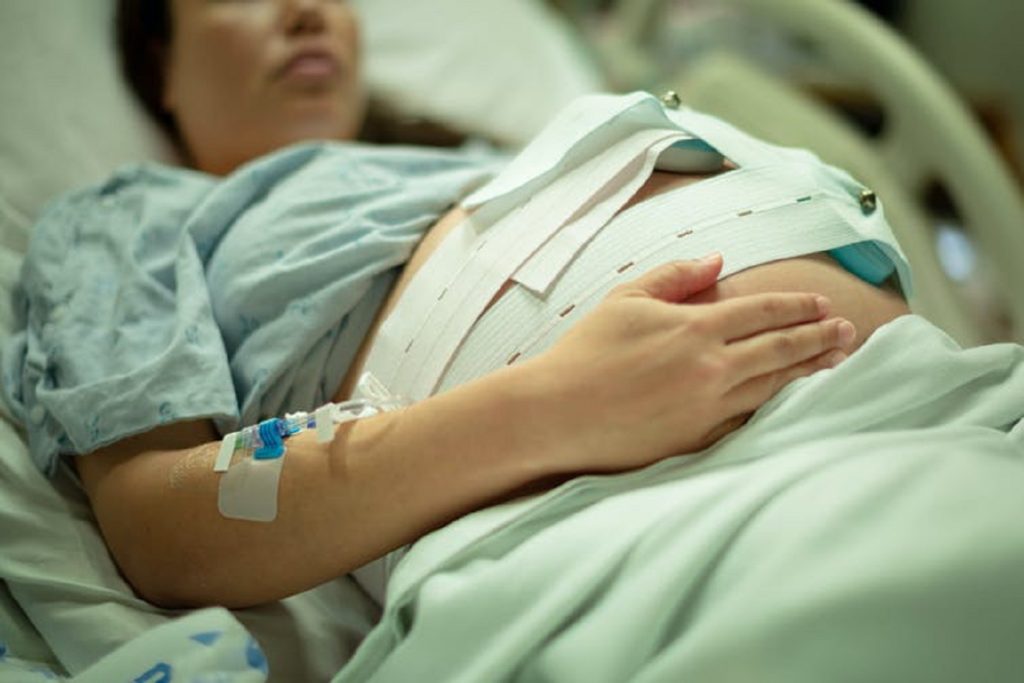
As Australia marks Birth Trauma Awareness Week, new research is shining a light on the significant mental health impacts that can follow traumatic birth experiences, with two in five women who experience physical birth trauma also developing post-traumatic stress disorder (PTSD).
The finding comes from Beyond the Surface, a 2026 report by Women’s Mental Health Australia, which also found that more than one in five pregnant women experiencing mental health challenges reported perinatal anxiety. Together, the findings reinforce the need for physical and mental healthcare to be treated as inseparable throughout pregnancy, birth and recovery.
Alongside the release of the findings, Women’s Mental Health Australia has announced it will fund Birth Trauma Australia’s ThinkNatal™ Pelvic Physio Support Service through its 2026 Community Project Funding Program.
The telehealth pilot will provide free, trauma-informed pelvic health physiotherapy for women recovering from birth-related trauma, regardless of where they live, with the aim of removing financial and geographic barriers to specialist care.
Women’s Mental Health Australia Chief Operating Officer Katrina Locandro said birth trauma often extends well beyond the physical injuries women may experience during pregnancy, labour or birth.
“Our research continues to show that women’s physical and mental health are deeply interconnected,” she said.
“By funding innovative programs like ThinkNatal™, we can help ensure women receive the holistic, trauma-informed care they need to recover and thrive.”
The announcement comes amid growing recognition that birth trauma can have long-lasting consequences, with advocates calling for more integrated models of care that address both physical recovery and psychological wellbeing.
Elena, who experienced birth trauma, said she spent nine years trying to find a physiotherapist with the specialist knowledge to treat her injuries.
“I now understand how important specialist pelvic health physiotherapy is after birth trauma, but it should be provided alongside psychological support so women can recover both physically and emotionally,” she said.
Women’s Mental Health Australia also announced funding for The Royal Hospital for Women Foundation’s Paediatric and Adolescent Gynaecology Mental Health Support Project, which will embed specialist psychological support within Australia’s state-wide paediatric and adolescent gynaecology service.
Locandro said community organisations continue to fill critical gaps in women’s health care despite limited funding.

“Women’s mental health still isn’t seeing the investment needed by government to make a real-world impact for everyday women in Australia,” she said.
The organisation said both projects are designed to improve access to integrated care for women and girls experiencing complex physical and mental health challenges.