
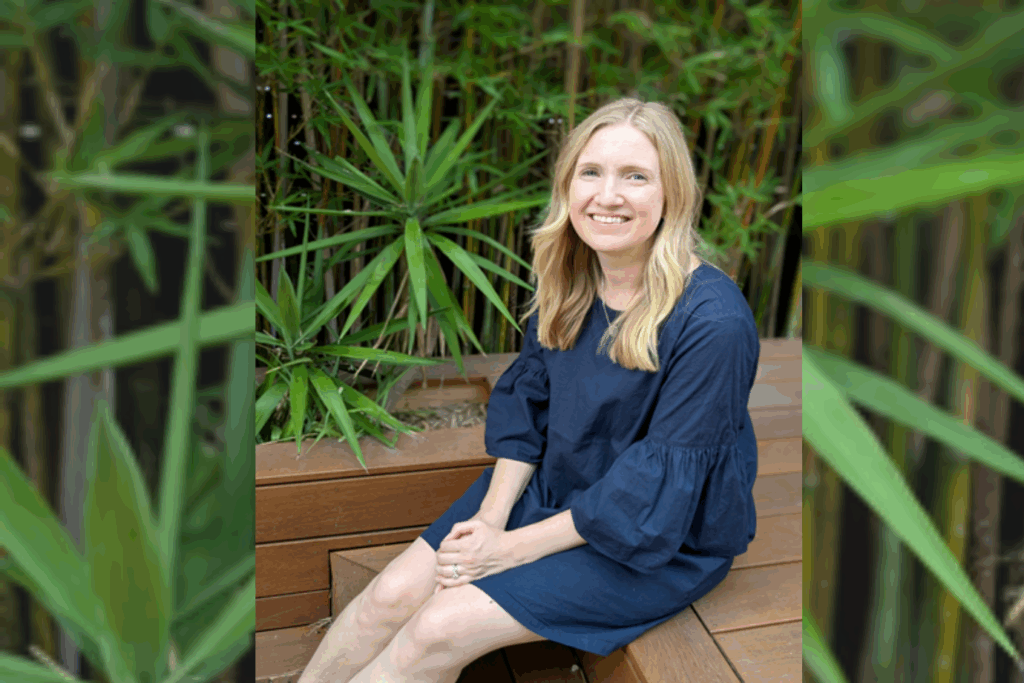
Three months after the birth of my first child, I was diagnosed with postnatal depression. As a clinical psychologist, I knew the mental health system inside out. I had access and a relatively early diagnosis. Yet over the next five months, my postnatal depression deepened into psychosis.
My husband and I scrambled between care providers, trying to plug the gaps as I rapidly deteriorated.
By nine months postpartum, I recovered. But that recovery happened despite the system, not because of it. I was lucky. I survived.
Not every mother does.
Awareness of perinatal mental health has grown. About one in five women experience a mental health condition during pregnancy or in the first year after birth. Yet as a society we still sidestep the harshest truth: that some new mothers die by suicide.
According to the Australian Institute of Health and Welfare, suicide is one of the leading causes of maternal death nationally. While other causes of maternal death, such as sepsis and haemorrhage, have continued to decline, suicide has not. It is important to keep in perspective that overall maternal death is rare in Australia. However, the true toll of maternal suicide is difficult to determine because the way maternal death is defined and recorded, which obscures its actual scale.
The current clinical definition of ‘maternal death’ only covers the first 42 days postpartum, a framework designed around monitoring physical complications of childbirth. But distress and mental illness doesn’t operate on a 42 day timeframe.
In Queensland, between 2014 and 2019, 87 per cent of suicide-related maternal deaths in the first year after birth occurred after the 42-day window. This means the majority of these women weren’t counted in national statistics.
That means we are underestimating and under-responding to a preventable crisis.
Behind every suicide is a family left with unfathomable grief. A baby growing up without their mother. A partner raising a child alone. The ripple of grief expanding outwards through the lives of loved ones and entire communities.
I’ve read coroners’ inquests with tears streaming down my face, stories echoing my own, but ending in unimaginable loss.
Despite engaging with the health system early, there were serious failures in my care. At 11 weeks postpartum, I was admitted to an early parenting centre. I was taught baby sleep routines, but the reason I was there, which was crippling anxiety and insomnia, went unaddressed. I was flagged as high risk for postnatal depression on the Edinburgh Postnatal Depression Scale, but I left without a diagnosis, without a psychiatric referral, and without any communication with my GP.

As my condition worsened, I was hospitalised in a private psychiatric facility. I requested electroconvulsive therapy (ECT), and my community psychiatrist supported it, but the request was denied, even as I struggled to find medication that helped without severe side effects. Less than a month after discharge, ECT saved my life in a public hospital.
A mother–baby unit was never mentioned, even though it’s considered the gold standard treatment. Communication between inpatient and community care was patchy at best. I fell through the cracks at exactly the moment I needed the system to hold me up.
If I, a psychologist with professional knowledge of the system, could be missed, what happens to those without the same access, language, or resources?
I’m not saying good care doesn’t happen. It absolutely does and the wonderful news is perinatal conditions are highly treatable. But unfortunately these failings are not unusual. Many mothers are missed by screening tools, as they under-report symptoms at assessment. Others unravel in the weeks between appointments. Waiting lists for perinatal psychiatrists can stretch into months. This is time vulnerable women don’t have.
And then there’s the stigma. Too many mothers are afraid to speak up, fearful of being judged, labelled, or reported to child protection for struggling. They stay silent, believing they are failing at something that’s ‘supposed’ to come naturally.
For Aboriginal and Torres Strait Islander women, the toll is even greater. Maternal suicide rates are disproportionately high. Any real solution must centre around culturally safe, community-led models of care.
What needs to change
Awareness is only part of the solution. We need serious investment in specialist perinatal mental health services, including more mother–baby unit beds, especially in regional and rural areas.
Pregnancy and the early postpartum period is a time when women have more contact with healthcare professionals than at any other stage of life. This presents a unique opportunity and responsibility to identify mental health conditions early, educate families about risk, and ensure that no signs of distress are missed.
The scaffolding for excellent care is already in place, but it must be coordinated. Communication between providers must be seamless so that no mother falls through the cracks, left navigating conflicting opinions or disjointed treatment plans between hospitals, GPs, psychologists, psychiatrists, or anyone involved in her care. And screening for perinatal mental health conditions should be the beginning of a conversation, not the end.
We must also update how we measure maternal deaths. A mother’s mental health doesn’t reset 42 days after giving birth. To prevent maternal suicide, we must first be willing to fully acknowledge the scope of the problem.
Importantly, we need to change how we talk about motherhood. Struggling doesn’t make someone less of a mother in any way, shape or form. It is the most common complication of bearing and birthing a child. You are not to blame, and seeking help is the first step to finding the right treatment for you.
This World Suicide Prevention Day
On World Suicide Prevention Day, I’ll walk nine kilometres as part of Lifeline’s Out of the Shadows walk, one for each of the nine lives lost to suicide every day in Australia.
I’ll walk for the mothers who didn’t survive, for the families grieving, and for those who are struggling now.
We must treat maternal mental health with the same urgency and coordination as any other life-threatening condition.
We know effective treatments exist for mothers during the perinatal period. We must ensure every woman and family can access them, so no one falls through cracks that have no place in Australia in 2025.
If you’re based in Australia and are an expecting parent, new parent, or support person looking for safe, caring, and confidential space to talk, the PANDA National Helpline is available on:1300 726 306 Monday to Friday, 9am – 7.30pm Saturday, 9am – 4pm (AEST/AEDT).
PANDA is not a crisis service, 24-hour support is available through Lifeline on 13 11 14 or beyondblue on 1300 22 4636.