
When Julia Gillard declared “it will be easier for the next woman” to serve as prime mininster during her farewell speech in 2013, she couldn’t have anticipated the impact of generative AI for making the online abuse of women in office far easier, cheaper and more ferocious.
But in Australia in 2026, just like it is all over the world, online abuse is all too familiar for women in public life.
Almost 90 per cent of Australian women who hold elected office or are running for office have experienced online abuse or intimidation linked to their political participation, according to a Women For Election report released on Wednesday.
WFE’s survey of 110 such women across all levels of government — with half in elected positions — highlights what should be uncomfortable reading regarding the treatment and experience of women seeking to engage in public life.
While personal safety is a serious concern for these women and their families, such abuse can also have a silencing impact on those who run, as well as those who wish to run in the future, and those who are currently in office.
Representation matters when it comes to who puts their hand up for public office. The fact that women in office say the online abuse they experience makes them less likely to run again, and even sees them questioning their decision to do so in the first place, is cause for serious concern regarding the growing gender representation we’ve been so quick to celebrate in recent years.
WFE found that 82 per cent of women changed their behaviour because of the abuse, with half questioning if they would run again or if they should have sought elected office at all. Sixty-five per cent reported they had personally experienced or witnessed AI-generated abuse, deepfakes or manipulated content targeting women in public life.
And the problem is getting worse, with 76 per cent of those surveyed saying they believe online abuse of women in politics has increased in the past two years.
While around half (47 per cent) of those who experienced abuse said they reported it, the majority of those who did (69 per cent) were dissatisfied with the response they received.
Unfortunately, generative AI is making the abuse content cheaper and faster to produce, and more graphic and sexualised.
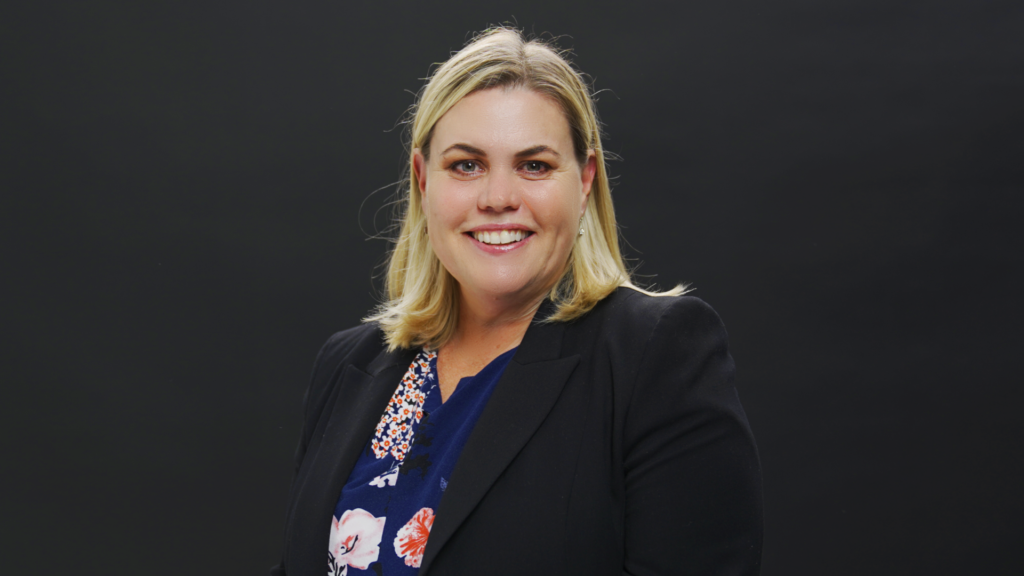
Licia Health from Women for Election (pictured above) described women in politics as Australia’s “canaries in the coal mine” when it comes to the health of our democracy.
“When women are silenced, democracy suffers, and this impacts all of us,” she said.

The increasing online abuse is a global pattern. In New Zealand, 96 per cent of MPs report online harassment according to comparable research, while there has been an 800 per cent uptick in harassment complaints against Canadian MPs in the past five years.
WFE’s new data comes following a 2025 UN Women study which found that nearly 70 per cent of women journalists, human rights defenders and activists have experienced online violence, and more than 40 per cent have experienced real-world harm connected to the online violence. For women journalists, they’re now twice as likely to face offline attacks triggered by online abuse as they were in 2020.
Professor Julie Posetti, who led the UN Women research, describes online violence as being a deliberate silencing strategy, rather than something that occurs randomly. She noted the Women for Election data as providing valuable Australian context to the global issue and that “online violence is intensifying as generative AI makes it much cheaper, faster and easier to produce and distribute abusive, disinformation-laced content.”
In response to the Women for Election research, Cr Romola Hollywood from Local Government for NSW shared the threats of harm she has experienced and noted the cost of missing out on skilled women who don’t run for office, who never nominate for mayor, or who don’t seek re-election.
“No woman should have to choose between serving her community and protecting herself or her family,” she said.
Women For Election is now calling for the recognition of the online abuse of women in public office as a threat to democratic participation, and for stronger protections and penalties. They’re also seeking greater accountability from social media and AI platforms, as well as dedicated protections for candidates during election periods, when abuse often escalates.