
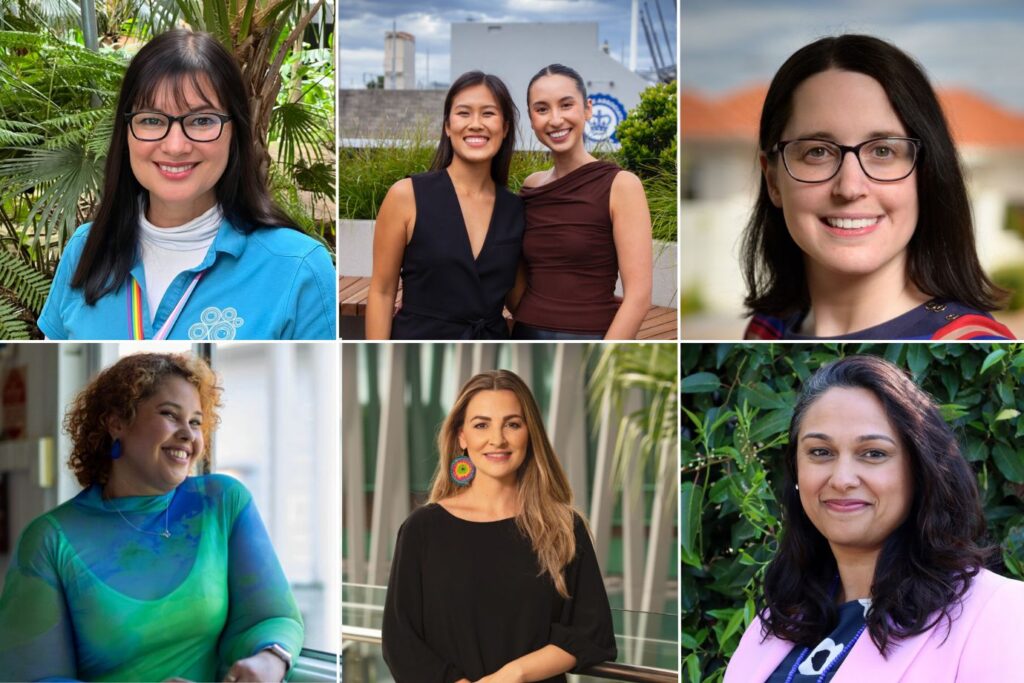
The future of education in Australia is being shaped by women whose ideas and leadership are transforming classrooms, institutions and communities.
Despite representing the majority of teachers, women are still underrepresented in senior roles and often under-recognised for the impact they make.
To help support change, we’re platforming a list of women are driving change where it matters most, including regional schools, universities, early learning centres and national policy arenas.
Across the country, women are redefining leadership, pioneering innovative approaches to learning, shaping the next generation of learners and championing equity and inclusion across every level of the education system. Here are this year’s women to watch.
Women’s Agenda provides independent journalism published by the 100% women owned and run Agenda Media. Subscribe to our daily newsletter, here.
Mandi Randell
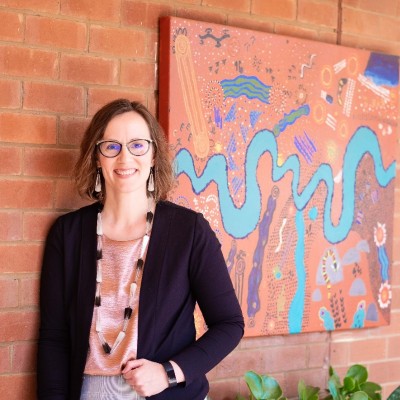
Mandi Randell is the founding principal of Central West Leadership Academy in Dubbo, where she has championed equitable access to high-quality education and brought the International Baccalaureate program to regional students to expand their academic and leadership opportunities. Her recognition as a 2025 TE Most Influential Educator reflects her impactful work in closing regional achievement gaps and fostering student confidence, critical thinking and community engagement.
Laura Bain
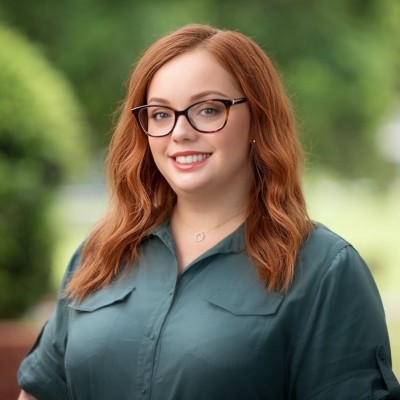
Laura Bain is a future-focused educational leader and Head of Future Learning and Academic Operations at Matthew Flinders Anglican College, where she leads strategic work across curriculum design, digital learning, and academic systems, with a strong focus on design thinking and the thoughtful integration of emerging technologies, including AI. With over 20 years’ experience, a Master of Education, and recognition as an Apple Distinguished Educator and Microsoft Innovative Educator Expert Fellow, she is a sought-after speaker known for translating complex ideas into scalable, practical models for schools.
Dyonne Anderson
Dyonne Anderson is a Githabul woman from the Far North Coast of NSW who has worked as a classroom teacher, chief operations officer, consultant, curriculum advisor and school principal, with a deep commitment to improving educational outcomes for Aboriginal students through genuine community partnerships. Appointed principal of Cabbage Tree Island Public School in 2005, she has also served as president of the National Aboriginal and Torres Strait Islander Principals’ Association (NATSIPA) since 2012.
Smeeta Singh
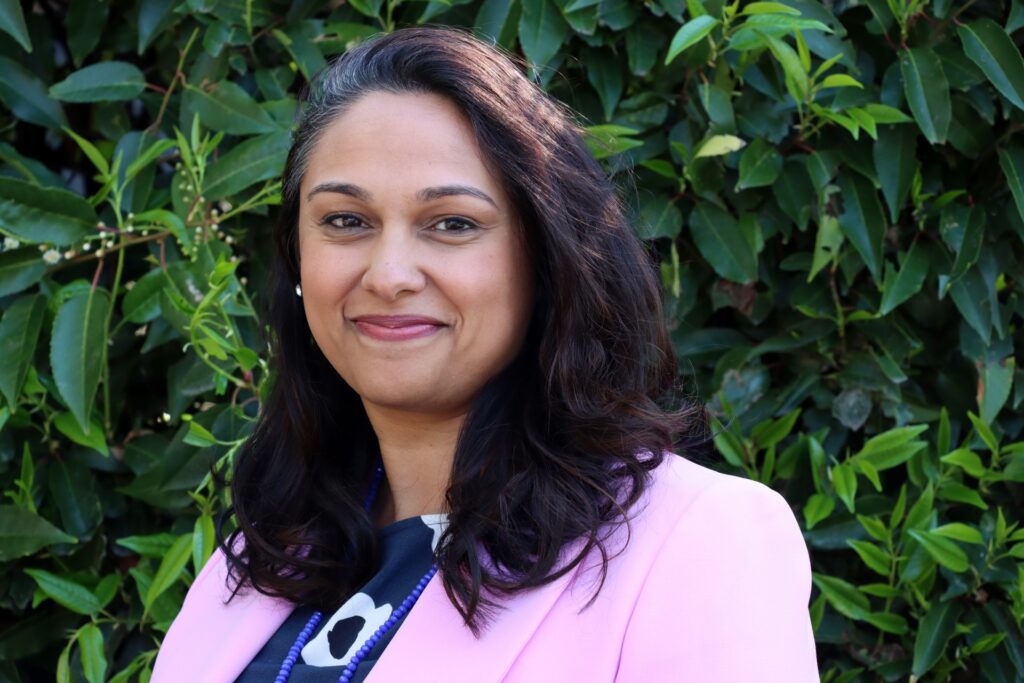
Smeeta Singh is the General Manager of Growth, Partnerships and Pathways at Teach For Australia, and a passionate advocate for social justice in education, with a focus on improving student engagement, transitions, and achievement. With almost 20 years’ experience in education and community services, she combines research expertise, leadership in school improvement and teacher training, and a strong background in partnerships and program design to advance educational equity. She was recently named one of Australia’s Most Influential Educators by The Educator in 2025.
Liv Pennie
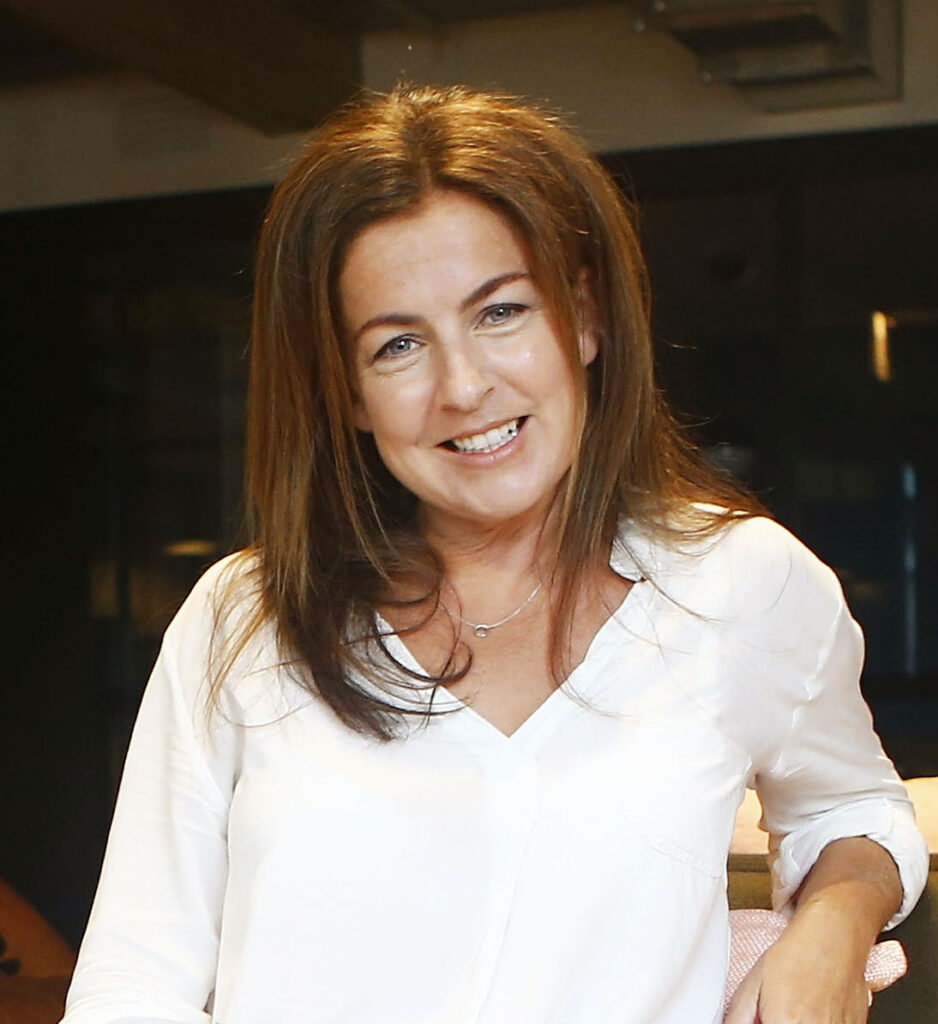
Liv Pennie is the co‑founder and CEO of BECOME Education, where she leads the development of innovative, research‑informed programs that are redefining how schools approach careers and futures education. Combining an MA in Psychology, postgraduate qualifications in Career Development, and 15 years’ experience across advertising, digital product and experience design, Liv is committed to empowering young people with the mindsets and skills to navigate an ever‑changing world of work. Her work with BECOME focuses on equipping schools with engaging, future‑focused learning experiences that inspire both students and teachers.
Michele Carnegie
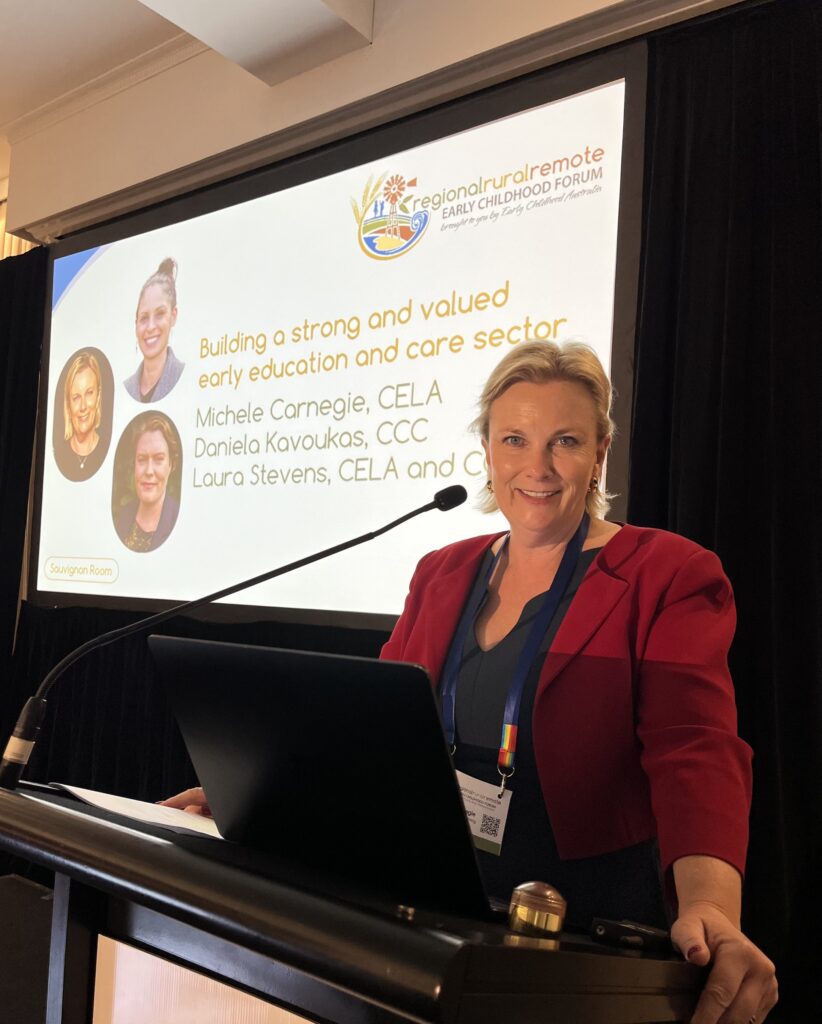
Michele Carnegie is the Chief Executive Officer of Community Early Learning Australia (CELA), leading the national peak body with a focus on strengthening the quality and sustainability of early education and care, particularly for community-based and small providers across urban, regional and remote Australia. An Apiary Fellow, she is known for her collaborative leadership and sector advocacy, working across state and federal levels to drive system reform and improve outcomes for all children.
Daniela Kavoukas
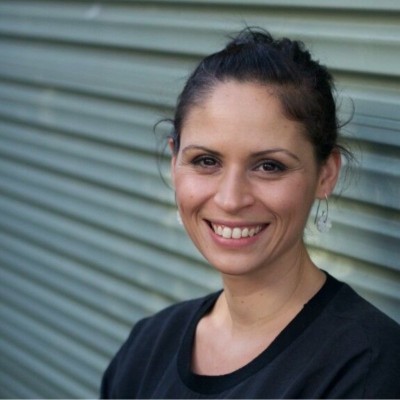
Daniela Kavoukas is the CEO of It Takes a Village Australia, bringing more than 20 years of leadership experience and a child-centred approach to strengthening the education and care sector through high-quality, inclusive practice. A committed advocate for early and middle childhood, she works across local, state and federal partnerships to build sector capability, deepen community engagement and drive progressive policy and systems change.

Dr Alanna Kamp
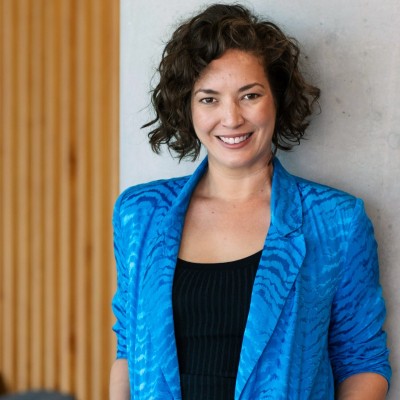
Dr Alanna Kamp is a Senior Lecturer in Social and Cultural Geography at Western Sydney University and an award-winning researcher whose work examines Australian cultural diversity, racism and anti-racism, national identity, and intersectional experiences of belonging. A recipient of the 2024 Asian Australian Leadership Award, she is widely recognised for her pioneering research on Chinese Australian women, including her book Intersectional Lives: Chinese Australian Women in White Australia, and for her leadership across major ARC, SBS and NSW Government–funded projects.
Aunty Geraldine Atkinson
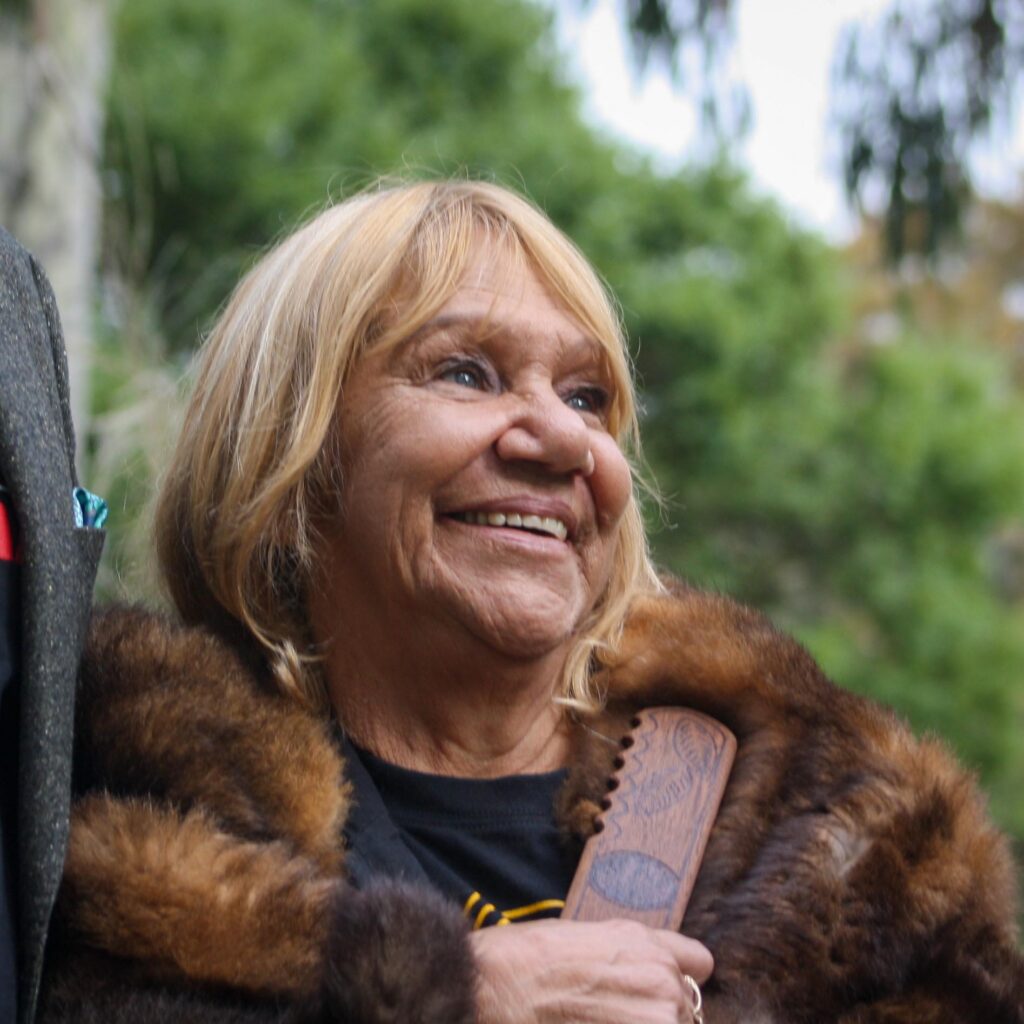
A Bangerang/Wiradjuri educator and long‑time advocate for First Nations schooling, Aunty Geraldine Atkinson has led change in Indigenous education policy for decades, most recently recognised as an Officer of the Order of Australia in 2025 for her services to culturally responsive education and community engagement. Her leadership has shaped state and national education strategies, ensuring culturally appropriate foundations for First Nations children’s learning.
Melodie Potts Rosevear
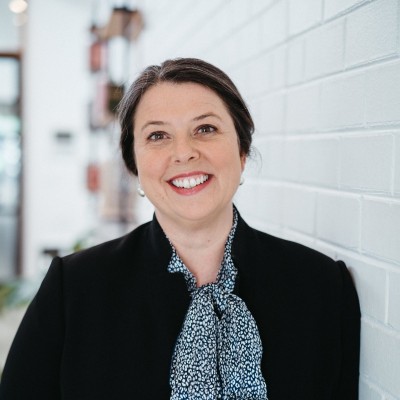
Melodie Potts Rosevear was recently appointed the CEO of The Australian Research Alliance for Children & Youth (ARACY). She is also the founder and former CEO of Teach For Australia, where she has driven a national movement to recruit, train and support high‑impact teachers and leaders to improve educational outcomes for students in disadvantaged schools across the country. Her work, which has helped hundreds of thousands of students and built a community of educators committed to equity, has been recognised with an Order of Australia Medal and multiple leadership honours.
Professor Gemma Sharp
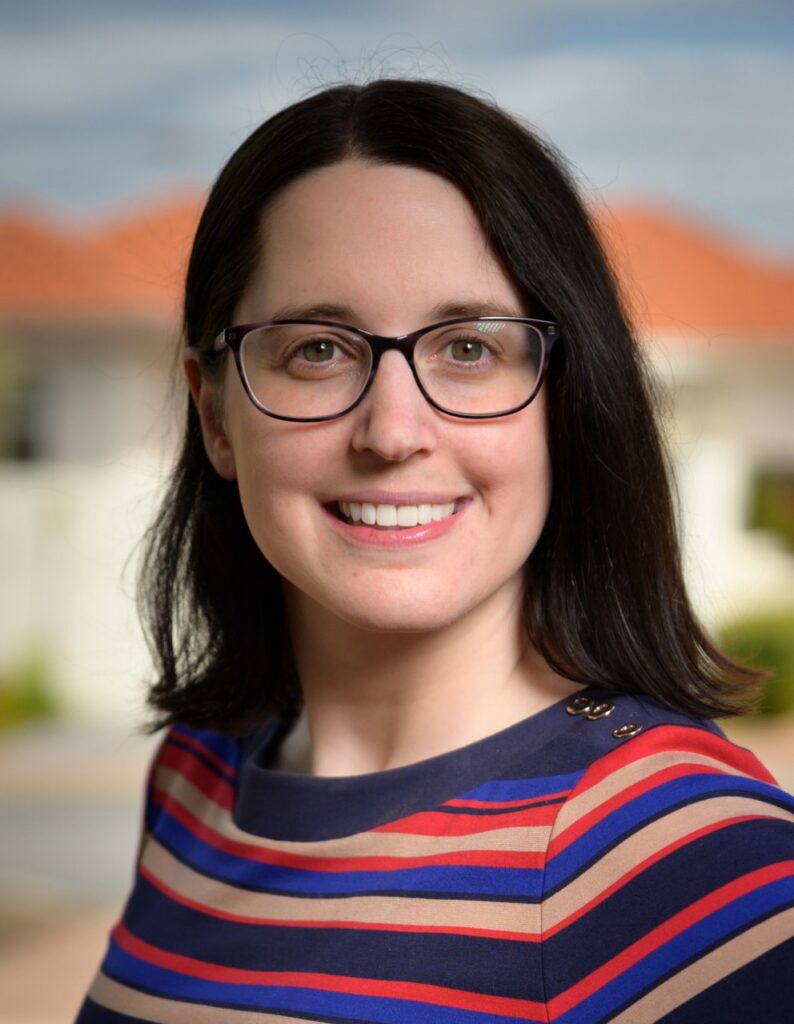
Gemma Sharp is a Professor of Psychology at Adelaide University and the founder of the Body Image, Eating and Weight Disorders Research Program, leading innovative research into body image, eating disorders, and women’s health across the lifespan. A registered clinical psychologist and NHMRC Emerging Leadership Fellow, she combines international research, clinical expertise, and digital interventions to advance understanding and treatment of eating and body image disorders while championing global collaboration through initiatives like CoRe-ED.
Dr Joyce Yu
Dr Joyce Yu is the Co‑Founder, Chief Strategy Officer and Executive Director of Australian youth‑led not‑for‑profit Consent Labs, where she helps design and deliver evidence‑based consent and respectful relationships education to empower young people and their communities to prevent sexual violence. A junior doctor in NSW with a strong commitment to gender equity, diversity and inclusion, she has been recognised for social entrepreneurship and influence in community advocacy.
Angelique Wan
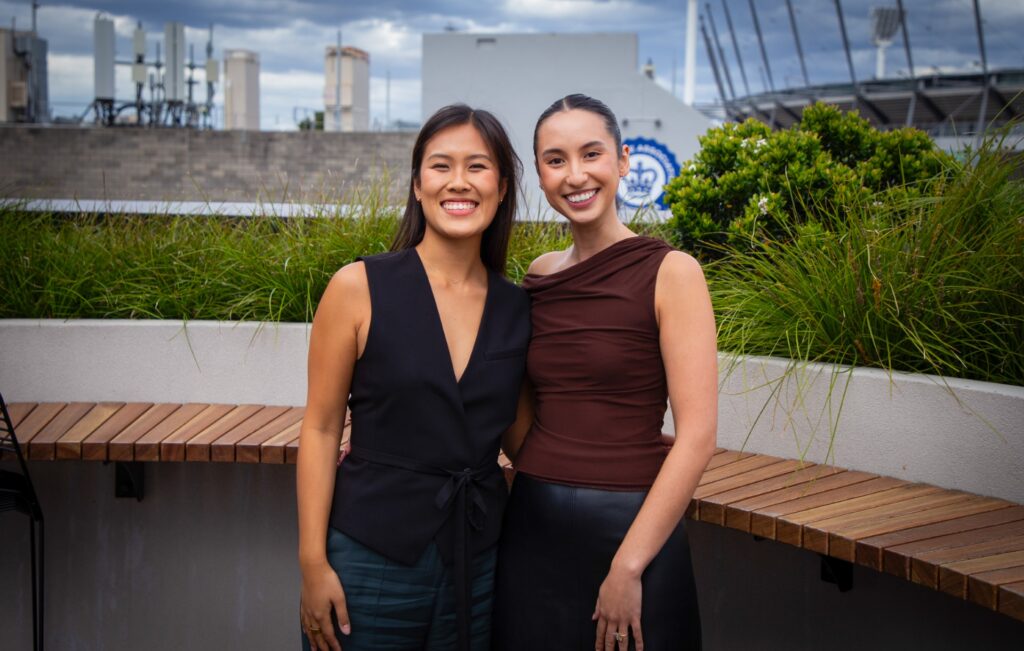
Angelique Wan is the co‑founder and CEO of the youth‑led not‑for‑profit Consent Labs, which provides evidence‑based consent and respectful relationships education to young people, educators, and communities across Australia. Recognised as the 2022 NSW Young Woman of the Year, she continues her advocacy by working closely with government leaders and other sector advocates to advance consent education and help end domestic, family, and sexual violence.
Ravneet Pawha
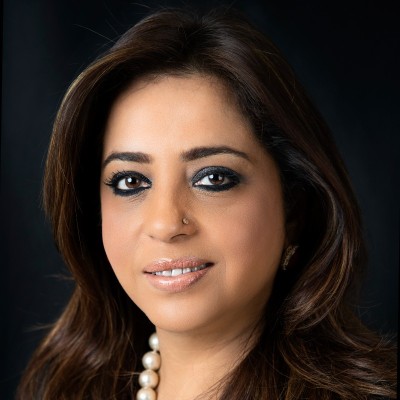
Ravneet Pawha is Vice President (Global Engagement) and CEO (South Asia) at Deakin University, Australia, where she has played a transformative role in shaping the university’s international education, research and partnership strategy for nearly three decades, including establishing Deakin’s first international office in India and numerous bilateral collaborations. Her leadership has been recognised with awards such as Business Leader of the Year and Exceptional Woman of Excellence, and she also contributes to Australia‑India strategic engagement through roles with the Australia India Business Council and other bilateral forums.
Anastasia Powell
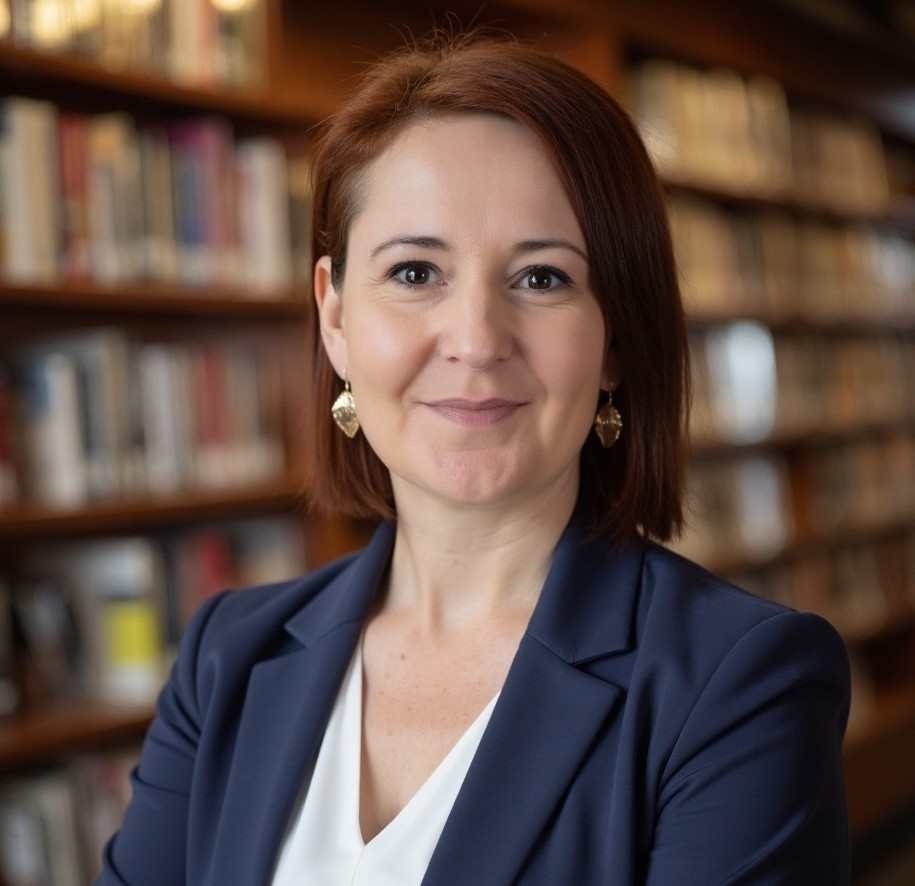
Professor Anastasia Powell is a criminologist and social work specialist in family, sexual, and gender-based violence, serving as Professor of Family & Sexual Violence at RMIT University, where she combines research, teaching, and policy engagement to educate the next generation of professionals in evidence-based prevention and response strategies. With over 20 years’ experience, she leads programs and initiatives that bridge academia, government, and community organisations, promoting informed practice and systemic change in domestic and sexual violence education and intervention.
Professor Leesa Hooker
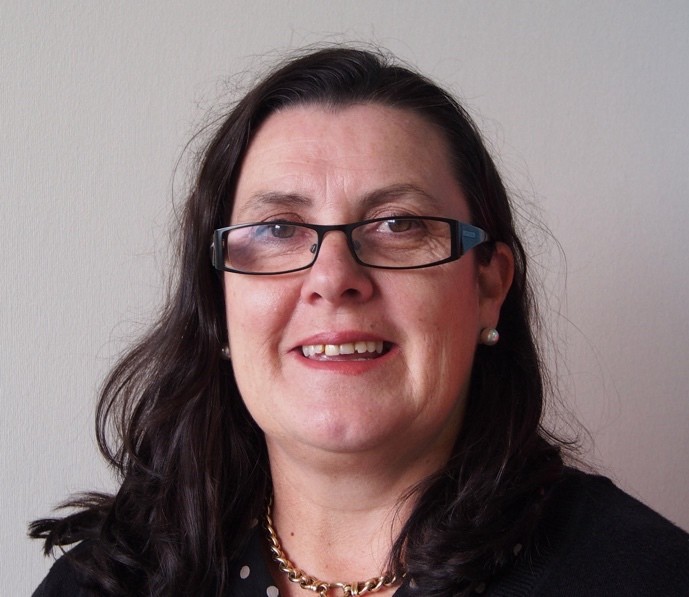
Professor Leesa Hooker is a leading academic at La Trobe University’s Rural Health School and the Judith Lumley Centre, where she directs research on family violence, women’s health, and improving healthcare responses to abuse and trauma. Her work integrates evidence generation, intervention trials and community‑focused scholarship to inform policy and practice in gender‑based violence prevention and maternal and child wellbeing.
April Hélène‑Horton
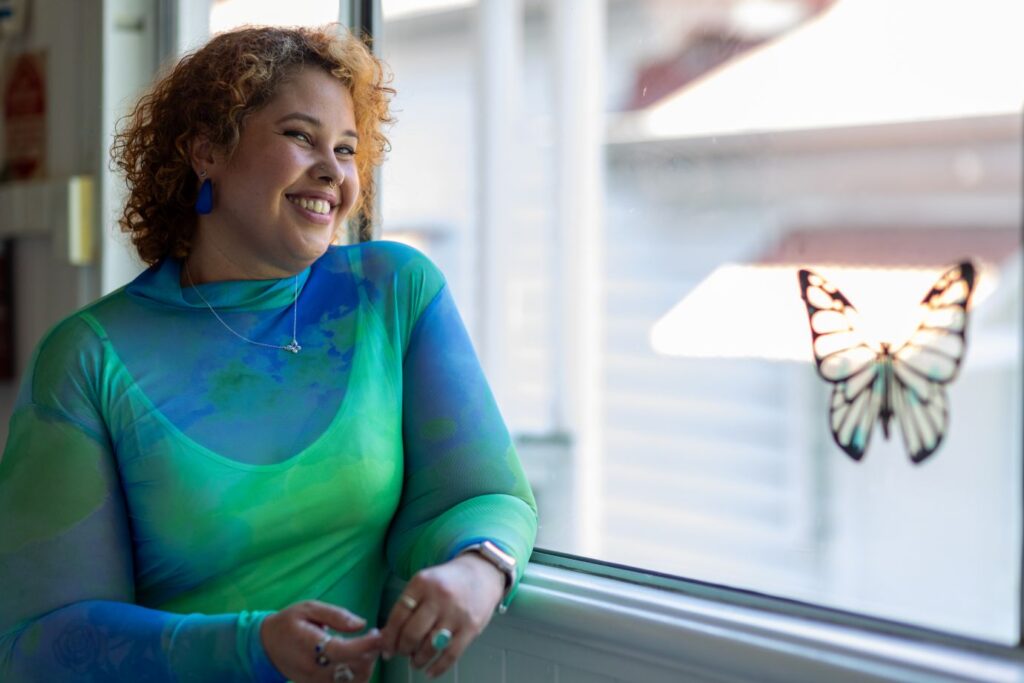
April “Bodzilla” Hélène‑Horton is a body acceptance activist and educator who uses her platform to teach about self-worth, challenge weight stigma, and promote diversity, drawing on her personal experiences with disordered eating. Through her online community and advocacy work, she creates a safe, educational space that empowers followers with knowledge, strategies, and confidence to embrace body positivity and inclusivity.
Kim Dyball
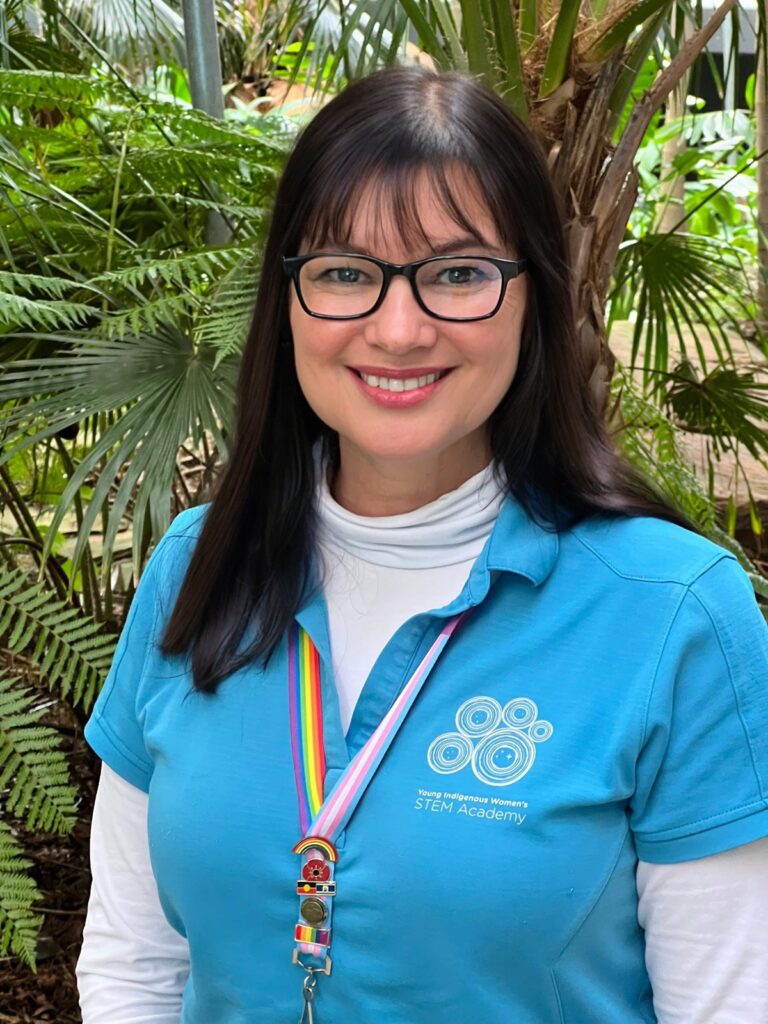
Kim Dyball is a proud Kalkadoon educator and Executive Manager of CSIRO’s Young Indigenous Women’s STEM Academy, with 30 years’ experience in Indigenous education, training and employment, including seven years as a primary school teacher in urban and remote settings. She leads the Academy’s STEM education and engagement programs that empower hundreds of young Aboriginal and Torres Strait Islander women to pursue science, technology, engineering and maths pathways, and has been recognised for her leadership with a Frank and Helen Zobec Churchill Fellowship to explore global models of Indigenous women’s success in STEM.
Dr Jessa Rogers
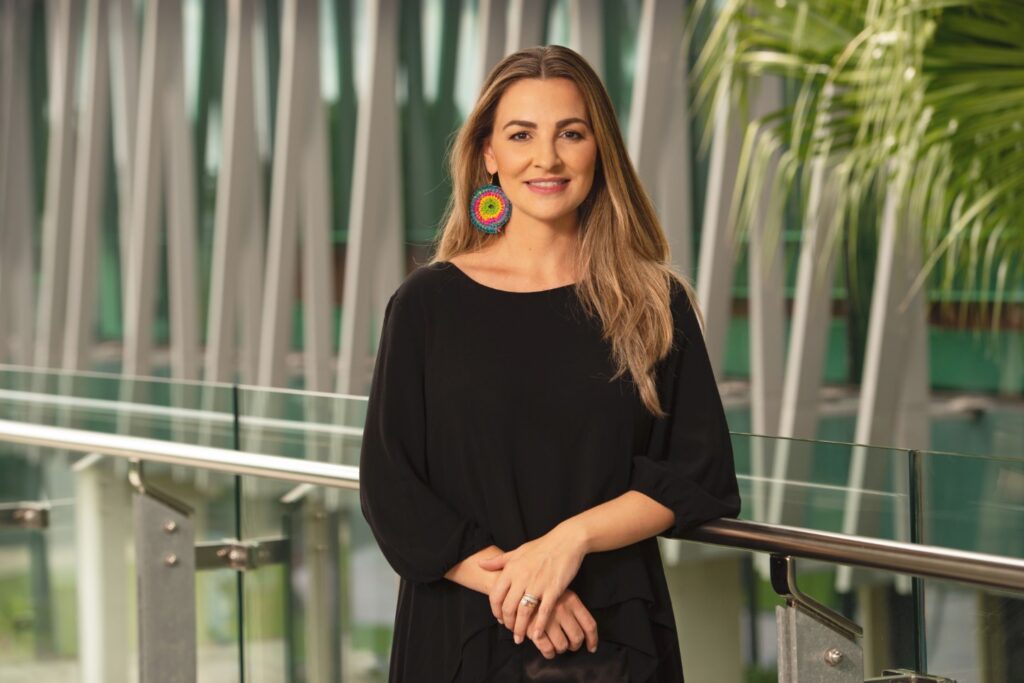
Associate Professor Jessa Rogers CF GAICD MAIATSIS is a Wiradjuri researcher, educator, and board director with over fifteen years of teaching experience in schools and tertiary education, currently an ARC DECRA Fellow and Associate Professor at the University of Melbourne. A former founding principal of Australia’s first boarding school for Indigenous young mothers, her research and publications focus on Indigenous education, boarding school experiences, and Indigenous research methodologies, and she serves on multiple national boards shaping education, digital inclusion, and policy for First Nations communities.
Sarah Chapman
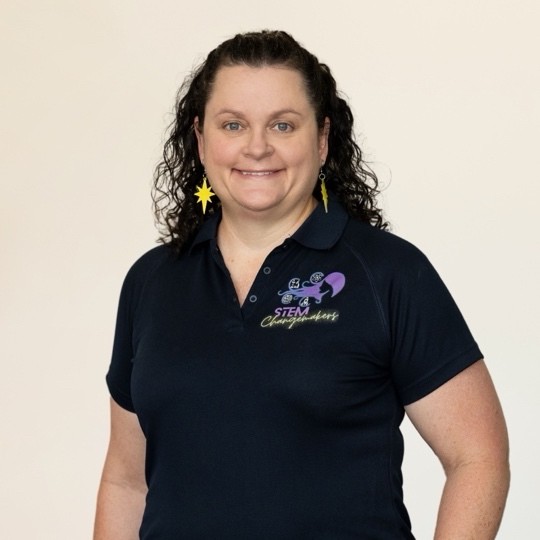
Sarah Chapman is a passionate STEM educator and changemaker with over 20 years’ experience as a secondary science teacher and Head of Department, committed to inspiring, engaging and empowering students and teachers through innovative STEM curricula and programs. She is the Founder of STEM Changemakers, Co‑Chair of Women in STEMM Australia, and a leader in community STEM engagement, including founding the Townsville STEM Hub and advocating nationally for high‑quality STEM education and pathways for underrepresented girls.