

From smarter cancer detection tools to advancing AI capabilities, deep tech has long been one of Australia’s greatest strengths.
Right now, there are researchers working on projects that could transform industries from health to space exploration.
But turning academic breakthroughs into globally viable companies takes more than good research.
It takes people willing to step out of their labs and into entrepreneurship.
It’s a transition DeepDerm founder Dr Noor E Karishma Shaik knows all too well.
After spending nearly a decade researching advanced imaging systems, one of Dr Shaik’s colleagues was diagnosed with skin cancer.
“Watching the weeks of appointments, biopsies and anxious waiting made it impossible to ignore how slow and invasive our diagnosis procedures are,” she tells Women’s Agenda.
“That moment shifted my focus from asking whether we could build better imaging to asking how we could use it to detect skin cancer earlier.”
With melanoma rates in Australia among the highest in the world, Dr Shaik says there are technical limitations hindering early detection and access to effective diagnostic tools.
To address this, she and her team at DeepDerm (which came out of Melbourne university) are using AI to give clinicians an easier way to spot skin cancer early.
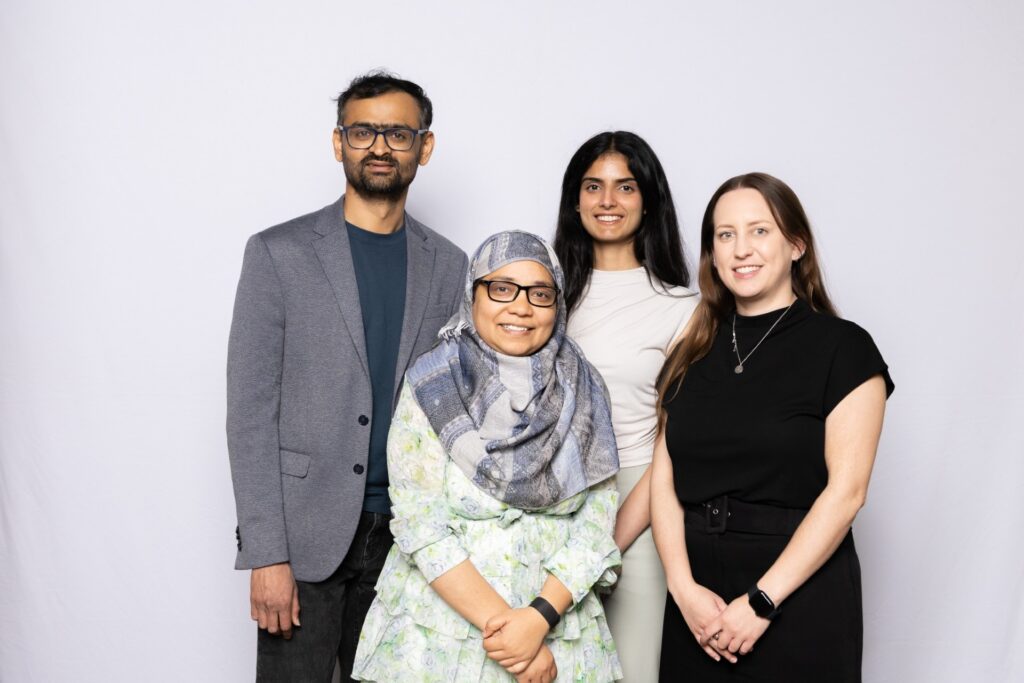
“DermAI is a stethoscope for skin cancer,” says Dr Shaik.
“Rather than relying only on what can be seen on the surface, DermAI pairs advanced imaging with modern AI to surface physiological changes beneath the skin that aren’t visible to the naked eye, giving GPs and nurses more objective information to identify suspicious lesions earlier and make more informed decisions.”
Dr Shaik says turning a research project into a venture-backed deep tech company has been a huge milestone and one that was made possible through a number of support programs including CSIRO ON Accelerate.
“What I am most proud of is proving the technology beyond the lab, moving from algorithms on a computer to a triage tool in the hands of clinicians and evaluating it with patients,” she says.
“Over the next decade, my goal is for DermAI to become a standard tool for early skin cancer assessment, supporting clinicians whether they practise in metropolitan clinics, rural GP practices or pharmacies, thus reducing unnecessary biopsies, improving outcomes and helping build a globally recognised Australian health AI company.”
A calling to change cancer treatment
Physicist and Biostatistician Dr Freda Werdiger heads research at PredicTx.
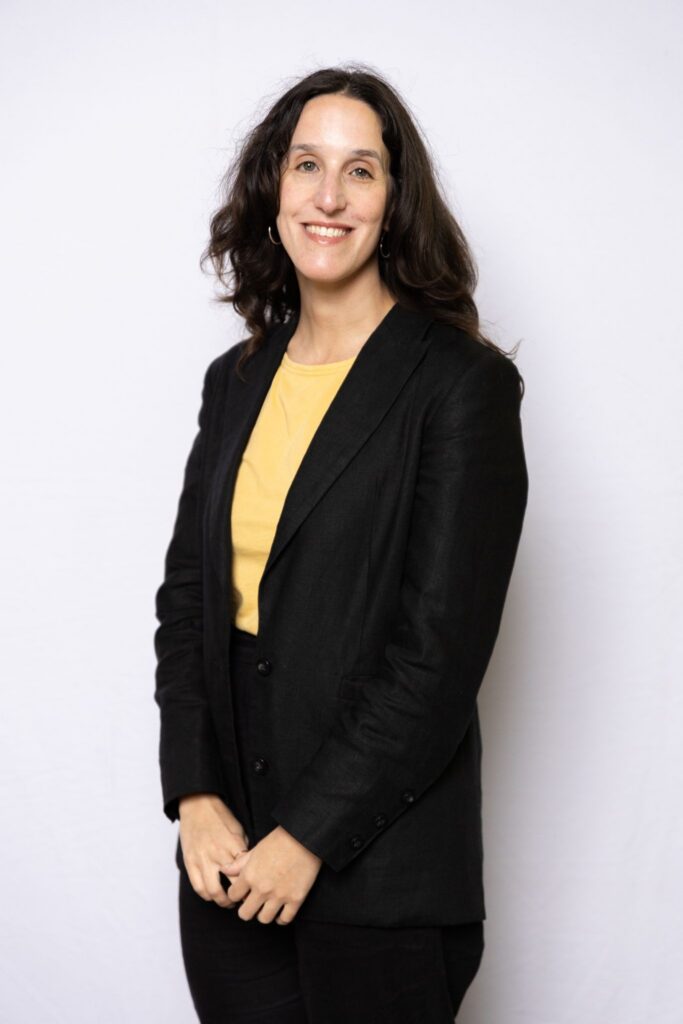
The company, which secured $1.6 million in pre-seed funding led by Melbourne university’s Genesis fund, is building an AI-powered oncology platform to empower doctors and patients in the fight against cancer.
“The issue is that chemotherapy obviously is amazing and can cure but it does enormous harm,” Dr Werdiger tells Women’s Agenda.
“Sometimes the harm that it does outweighs the benefits and our job is really to get that balance right with precise dosing so that people can have a comfortable as possible chemotherapy journey and continue with their treatment.
“Our solution is to do with body composition.
“It’s really the amount of lean body that you have which is relevant to your dose, not the amount of overall body weight or body surface area. So we use body composition analysis in order to understand people’s lean body mass and then adjust the dose if it’s necessary … sort of preempting the toxic side effects.
“Because in the course of care, dose reductions are extremely common but they usually happen after toxicity has already occurred to the point where they’re not tolerated by the patient.
“They wait until the patient can’t tolerate it, then they’re reduced. By that time, the patient has already been somewhat deconditioned and impacted.
“So we’re trying to really prevent that by getting the first dose correct.”
Like Dr Shaik, it was watching the devastating impacts of cancer that inspired Dr Werdiger on this journey.
“The whole thing was very serendipitous because I had just a year before that lost someone to cancer that was very young,” Dr Werdiger says.
The tragedy ignited a drive in her to be part of the effort to cure cancer.
“I made this promise to myself that every time a cancer related study came to me,
that I would take it just to get closer to cancer research,” she says.
So when the founders of PredicTx Abhijeet Waykar and Justin Yeung approached, it was a no brainer.
“They came to me and I was like ‘well, here it is’,” she says.
“I asked for something and I got it – the only answer was ‘yes’ so I joined them.”
PredicTx has a pipeline of institutions wanting to incorporate its technology with a number of major hospitals preparing to pilot and collaborate on research.
“We have possible channel partnerships as well with medical software companies that have a huge market share in Australia and we have hospitals in other countries that are also very excited to work with us,” she says.
You are a leader from the moment you decide
Dr Werdiger says stepping into the role at PredicTx has propelled her into new territory as a leader.
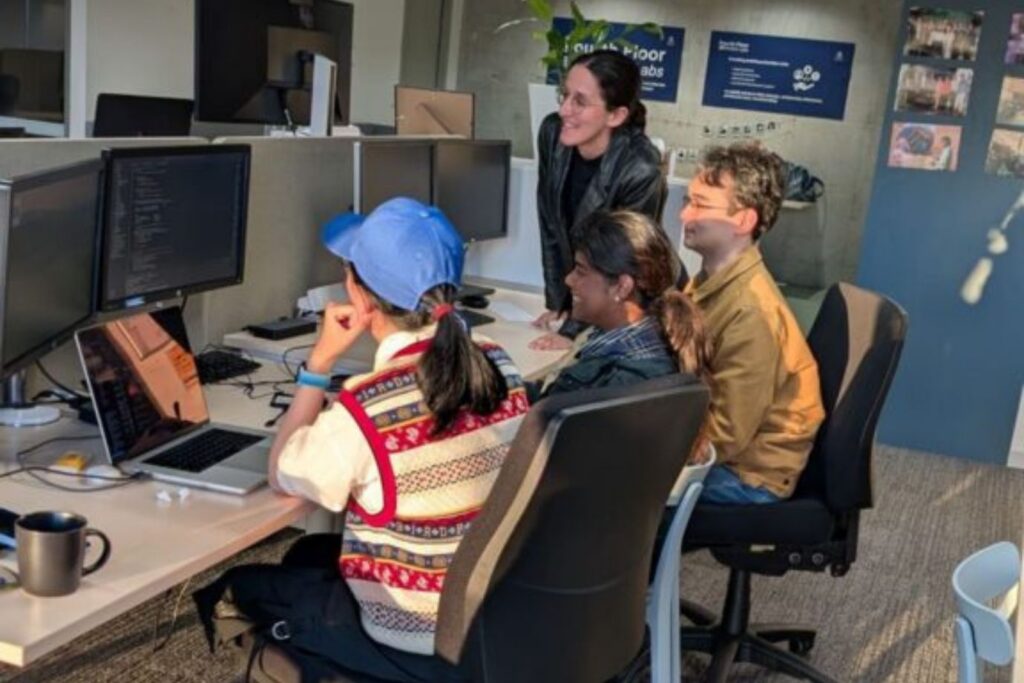
“This is the first situation where it’s really up to me to say what happens next, whether the thing that we’re doing is good enough to press send and so on,” Dr Werdiger says.
“Once you just flip that switch in your head that you’re no longer waiting for final approval from someone else, I think that’s when you start really being a leader.”
She says women can sometimes look to others for approval or permission whether it be their bosses or males in their life like a partner or father, but waiting for this prevents them from connecting with the leader within.
“Whether or not you’re in a leadership role, I think once you start thinking like you’re not waiting for somebody else to give the final say is when you really start to become a leader,” she says.
“Act like that early, even before the opportunities come up.
“It’s quite amazing.”
Dr Shaik also encourages women in STEMM to step out and take a chance.
“Don’t wait until you feel completely ready,” she says.
“Research teaches us to focus on uncertainty but impact often requires stepping forward before everything is perfect.
“Confidence tends to follow action.
“Seek mentors, build networks, choose your battles and don’t be afraid to take up space.
“Some of the biggest opportunities appear when scientific excellence meets the courage to solve real-world problems.”
Nurses can make great entrepreneurs
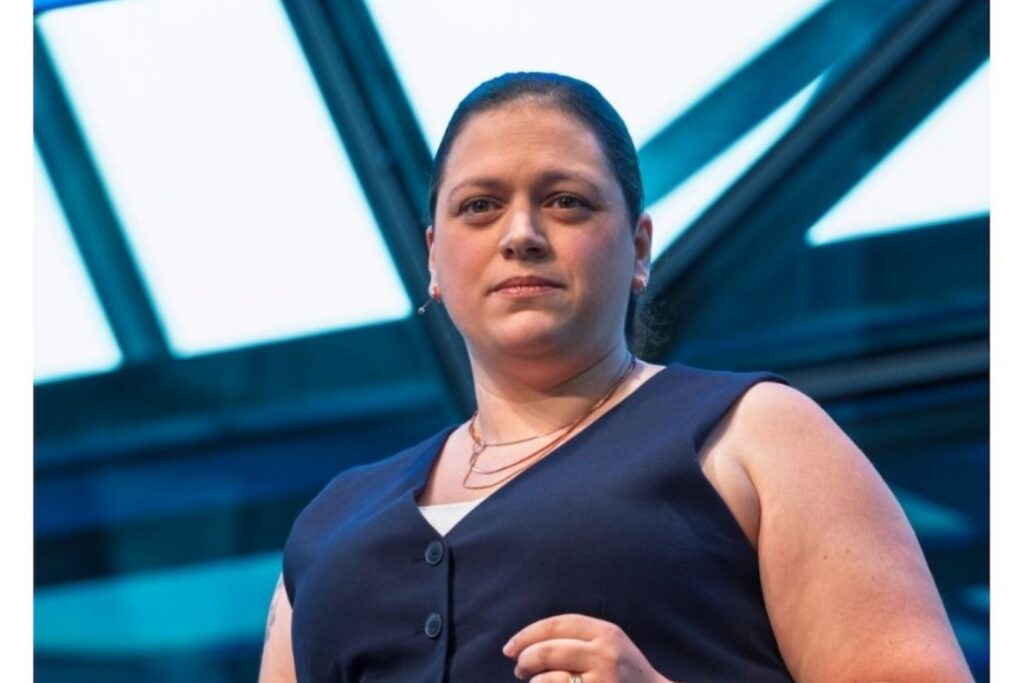
Fiona Symons is a registered nurse and co-founder of CareWindow, a purpose-built tablet that allows people in cognitive decline to stay connected to loved ones or health professionals through video calls.
Symons and her brother Zachary Bailey, a software engineer, came up with the idea during Covid-19 after their father was placed into aged care.
“Dad was an IT professional, he was pretty intelligent,” she says.
“He taught me and my brother everything we knew about technology growing up.
“But his health, his cognitive and physical health had deteriorated to a point where he could no longer use a mobile phone or even his TV remote.
“This is a guy who taught us about networking and how to install computers and take them apart again.”
When a person struggles to remember what step comes next, even simple tasks like brushing teeth can be difficult.
As a nurse in aged care, Symons says she has watched it happen hundreds of times.
“You lose what is called sequencing and it’s one of the first things that goes in cognitive decline,” she says.
Due to pandemic restrictions, Symons and her family had to not only endure physical separation from her father but staying connected to him became difficult as he was increasingly unable to use his mobile phone.
Symons says her children barely got to see their grandfather before he died in 2021.
“Zach and I thought there has to be a better way,” she says.
So they designed a video phone device that auto-answers calls so someone with a disability or cognitive impairment could be instantly connected with loved ones.
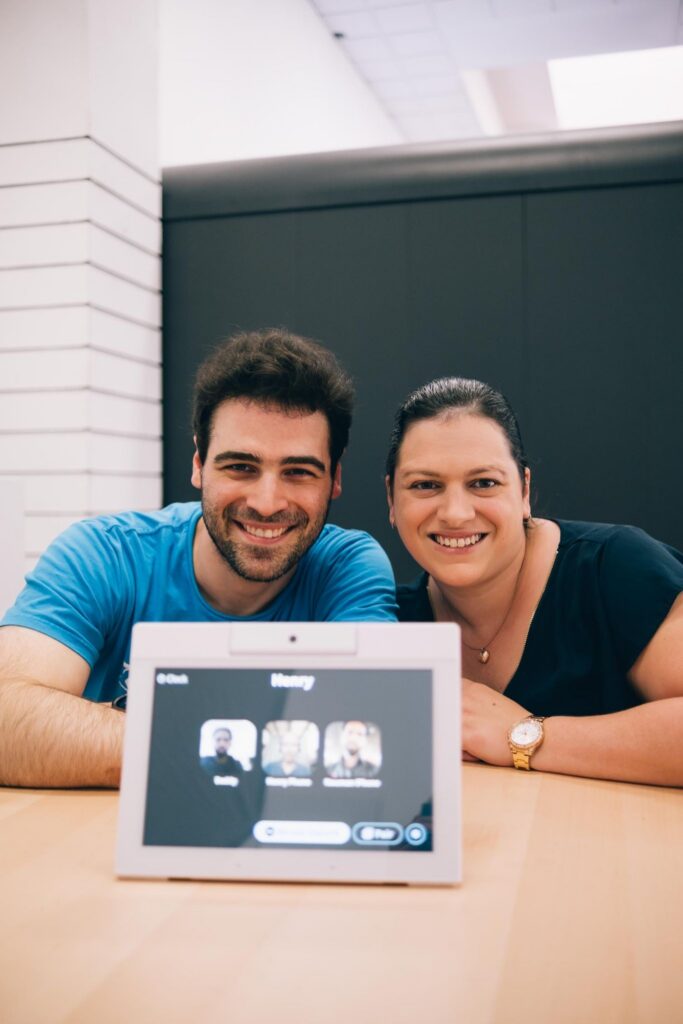
The tablet also has pictures of key contacts and their names on the main screen so a call can be made by clicking a photo.
For telehealth appointments, doctors can be given a QR code to make a call and the device will auto-answer.
Symons says they recently added language translation as dementia patients who have learned English later in life may lose their ability to speak it.
“At its heart, it’s a very simple idea,” Symons says.
“Technology should make our connection easier, not harder.”
Since its launch in 2024, CareWindow has sold more than 3000 videophone tablets with one aged care facility purchasing them for all its residents.
Symons feels proud knowing that an idea inspired by her dad is helping thousands of families.
“We get feedback all the time like ‘we haven’t seen mum and dad in ages and now we can connect any time we want, mum’s back to smiling again’,” she says,
“It’s those little moments that are my biggest achievement.”
Over the next decade, Symons wants CareWindow to help hundreds of thousands of people stay connected and defeat isolation.
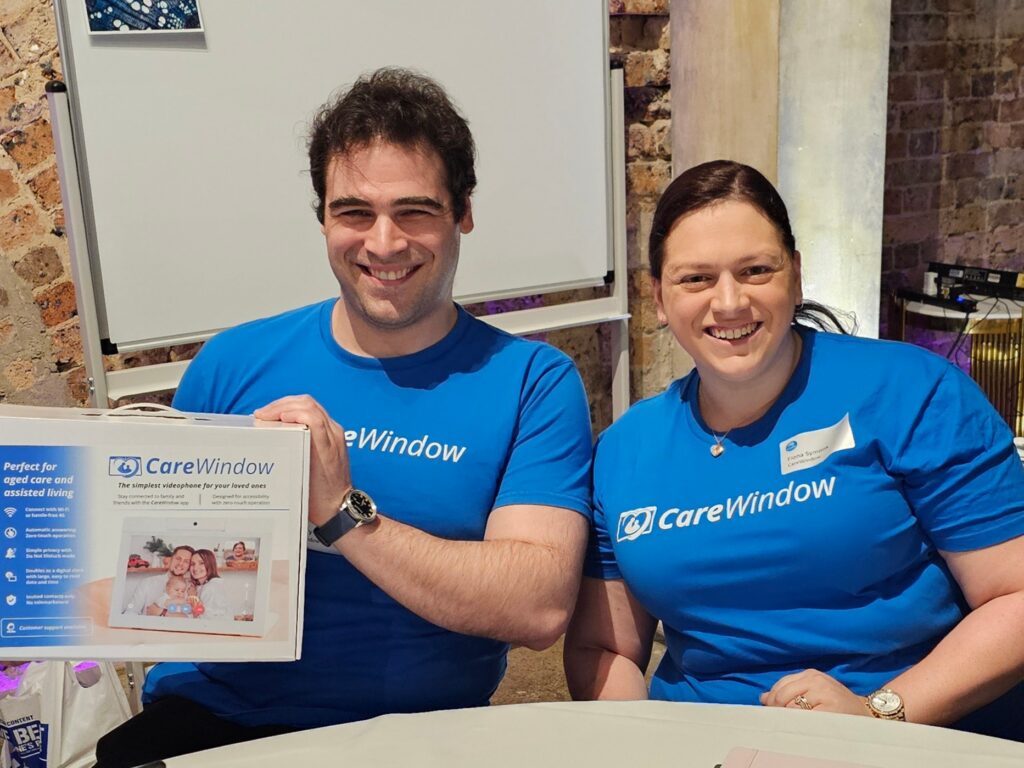
She also continues working as a nurse while building the business.
Symons encourages others in the field to consider entrepreneurship and their power to solve problems at scale.
“I did not go to nursing school to become an entrepreneur,” she says.
“It’s weird though because it’s not exactly that far off.
“I hate the term ‘just a nurse’. No one is just a nurse. I think nurses are uniquely positioned to improve healthcare especially.”
Nurses have a unique insight into challenges and bugs within the healthcare system and by connecting with the right people, Symons says there is great potential.
“One of the biggest things I’ve learned is that you don’t have to wait until you’ve got an idea that’s completely ready,” she says.
“Take up the space, put your hand up for any opportunity that comes along.
“Apply for that grant and pitch the ideas, walk into the room, even if you don’t think you belong there.”
If you are part of a research team working on something with real-world potential, ON Accelerate is accepting applications now for its three-month, free commercialisation program aimed at helping entrepreneurial researchers with turning great ideas into research-driven companies.