
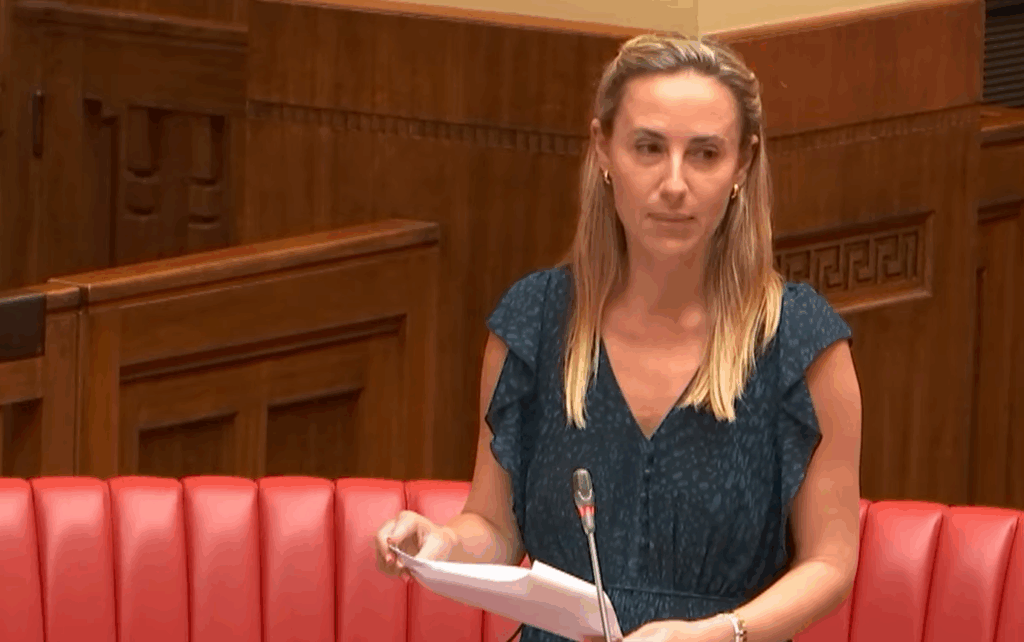
A right-wing effort to limit abortion access in South Australia after 23 weeks has been voted down in the state’s Upper House.
During a vote on Wednesday night, 11 members voted against the contentious bill and eight members voted in favour. The bill was put forward by Sarah Game, an independent Upper House MP and former member of One Nation.
The bill sought to limit abortions after 23 weeks to cases where there is a high risk of foetal abnormalities, or to save the life of the mother or that of another foetus.
It would have changed South Australia’s current laws, which permit abortion after 23 weeks with the approval of two doctors if the pregnancy poses a significant risk to the person’s physical or mental health.
“Let’s be clear about what good medical practice looks like,” Game said on Wednesday night.
“In a genuine emergency, where a mother’s life is at risk, for example, with extreme pre-eclampsia, or even in non-emergency situations where her physical health is threatened, the safest and most effective treatment is to end the pregnancy by delivering the child alive.”
Game’s bill has been endorsed anti-abortion campaigner Dr Joanna Howe, who co-authored the bill.
The bill is the second right-wing push to limit abortions in South Australia in recent years.
It follows Liberal MP Ben Hood’s effort to ban abortion after 28 weeks in September last year. This bill would have forced women seeking an abortion from 28 weeks to be induced and to deliver the baby alive. That bill, described as “Trumpian” and “extreme” was only narrowly defeated, in a 10-9 vote.
During the debate on Wednesday night, several members of the parliament became emotional.
The bill was strongly opposed by GPs in South Australia, with the Royal Australian College of General Practitioners issuing a statement when the bill was first announced.
At the time, Deputy RACGP South Australia Chair Dr Clare Keogh, said “abortion continues to be stigmatised and politicised”.

‘Decisions about termination after 23 weeks are complex, rare, and deeply personal. They must be made by patients and their doctors, not by politicians,” Dr Keogh said.
Feature image: Sarah Game.