

Every Wednesday morning, thousands of men gather before dawn on beaches and in parks across Australia. They do some light exercise together, share a coffee and stand in a circle to speak honestly about what’s happening in their lives.
For some, it might celebrating a win at work, the news of a birth or a marriage breakdown, for others it could be financial stress, a health diagnosis or even that they’ve been experiencing suicidal thoughts.
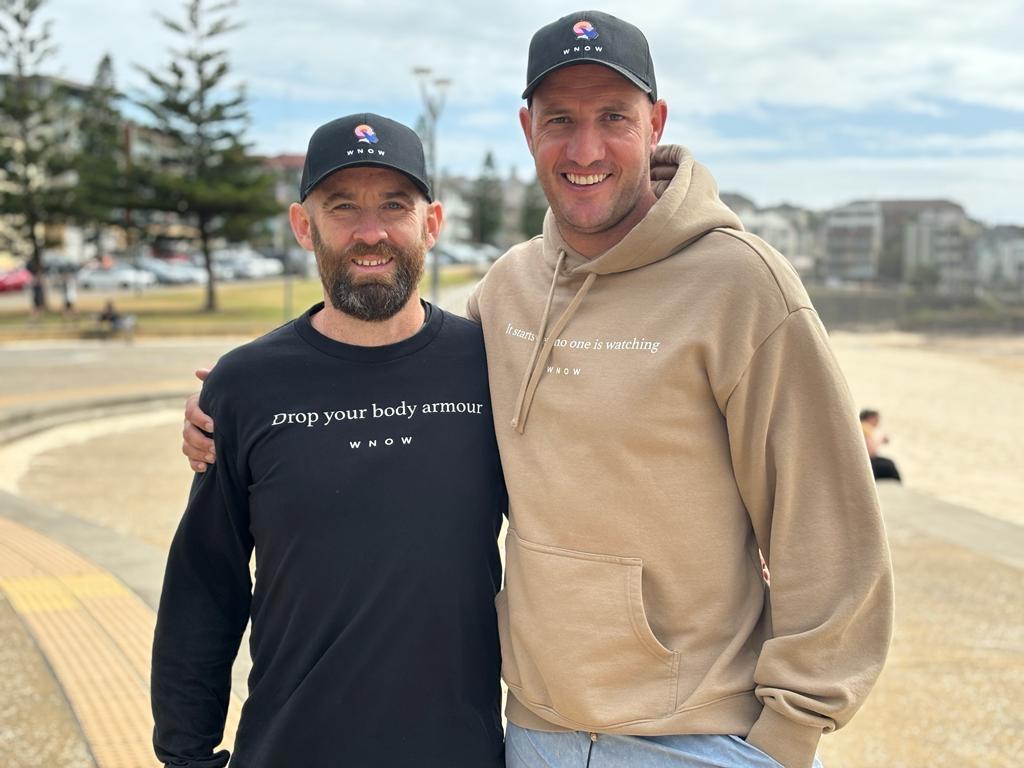
It’s a powerful moment that encapsulates everything the grassroots men’s movement, When No One’s Watching (WNOW) is about. Founded by David Eccles and Tadhg Kennelly, WNOW has grown in just a few years to have more than 5,000 members across 65 chapters in eight countries, with groups in every Australian state.
Its rapid growth comes as loneliness is increasingly recognised as one of Australia’s most pressing public health challenges. Recent statistics show men are more likely to experience social isolation.
“The world is full of issues and problems at the minute, and a lot of that comes from social disconnection and lack of friendship,” co-founder and CEO David Eccles tells Women’s Agenda.
“As men, we are rubbish at making new friends.”
Part of the solution to loneliness is creating spaces where men feel they can build genuine friendships and have moments of connection before life’s pressures become too overwhelming, Eccles says.
It was something Eccles learned first-hand when he experienced his own suicidal thoughts, and later supported his friend and now co-founder, Kennelly, through a challenging time with his mental health. Their support of each other during these times led to the WNOW we know today.
Why men struggle to stay connected
Eccles believes many men gradually lose their social networks as adulthood takes over. Whether it’s career and financial responsibilities, romantic relationships or maybe even parenthood take priority, men don’t always make the time for fostering friendships.
“The thing that you sacrifice first is friendship groups,” he says.
As a father himself, Eccles notices a familiar pattern while standing on the sidelines of children’s sport.
“The mothers are all having chats… the kids’ sport is almost secondary, it’s a social thing. Whereas the dads feel awkward at the side of pitches,” he says.
While women often continue creating new friendship groups through different life stages, many men rely on the friendships they formed in their twenties.
“We get a group of friends in our 20s… and they just dwindle away.”
The social anxiety that comes with taking the first step
Eccles says that many men struggle to build up the courage to attend their first WNOW session but it’s a step that many of them say has helped them build lasting connections and support.
“Coming down in week one is really difficult. Most fellas will say it’s too dark, it’s too cold, I don’t have the right shoes, I’m not fit enough…,’ Eccles says.
“I actually think what they’re not brave enough at that point to say is there’s a bit of social anxiety about coming down the first time.”
Over time, men tend to recognise that they’ll be met with a genuine group of men who are also looking to connect. Ultimately, it becomes a safe space to drop their body armour.
“If you tell men, ‘Come down and chat about your mental health,’ they’ll run a mile,” Eccles says. “We get men that eat broccoli without knowing they’re eating broccoli.”
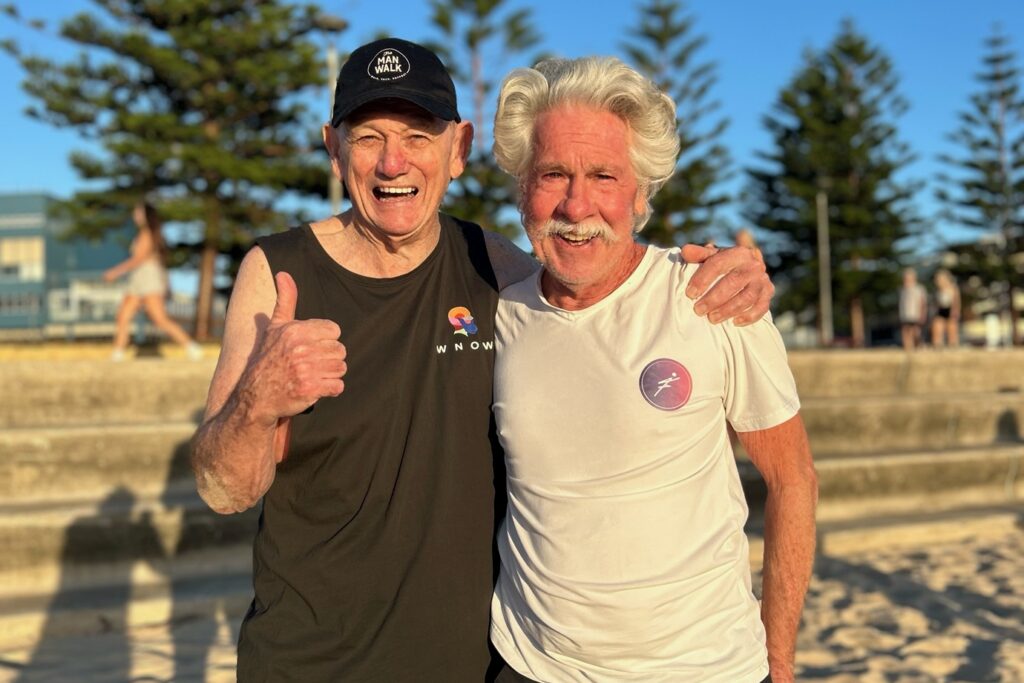
Instead, members complete 30 minutes of exercise before gathering in a circle, where anyone can celebrate a win or share something weighing on them.
“Men chat better shoulder to shoulder than eyeball to eyeball,” he says.
“It’s safe, it’s supportive, and it’s encouraged with really good role models.”
Inspired by women
Although WNOW is designed for men, Eccles says women have been central to its success from the beginning.
More than half of men didn’t attend their first session on their own initiative but were encouraged by a female partner, mother, sister or daughter. And after appearing in the media, the organisation says it is overwhelmingly contacted by women concerned about a man in their life.
“They can see the vibrant man that once was, and life’s pressures are getting on top of him,” Eccles says.
And it was also women who inspired the kind of connection the organisation set out to provide.
“Our group is born out of an admiration for the awesome woman in our lives,” Eccles said.
“Tadhg and I wanted to be more like our wives, that’s what we said on day one, and then we wanted to create a women’s group for men.”
He notes that at a recent retreat, nearly every man talked about the admiration they had for an awesome woman in their lives.
More than a men’s issue
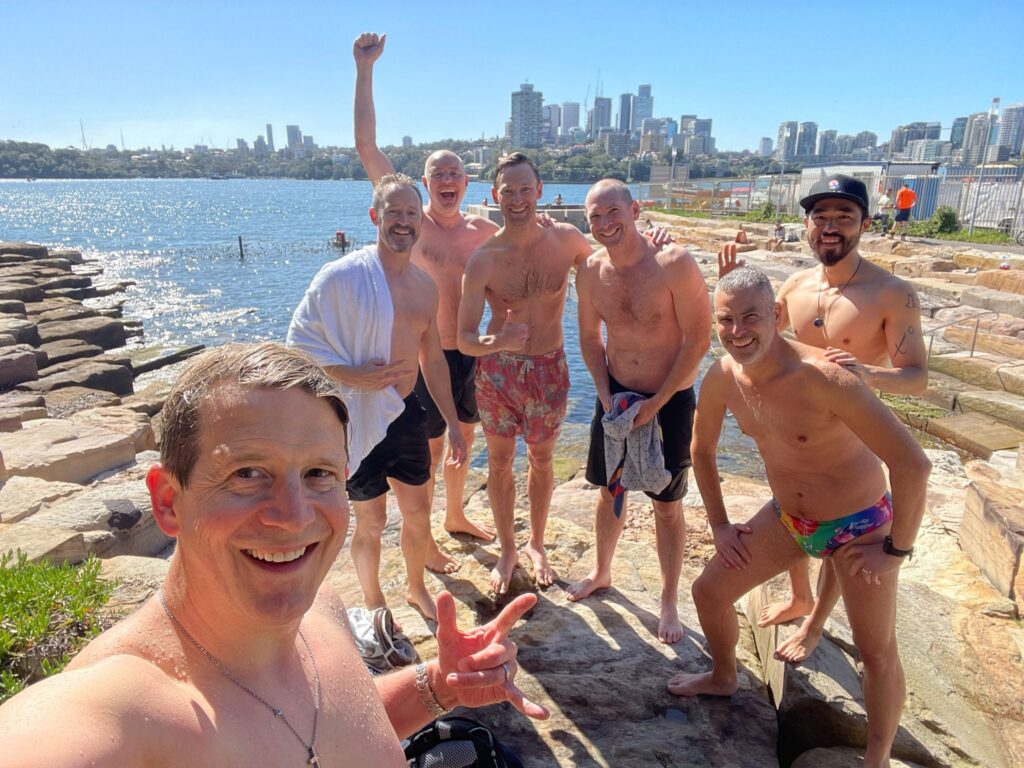
Eccles doesn’t frame loneliness as a problem unique to men. But he believes helping men build stronger friendships could have broader benefits, including healthier relationships, earlier help-seeking and stronger communities.
“It’s not a man’s problem, it’s not a woman’s problem. This is a societal problem,” he says.
“I think if we encourage our kids, encourage our men to open up and speak and show vulnerability… we’ll be in a much better place as a society,” he says.
He argues that many of life’s biggest pressures become far more manageable when people have trusted friends to talk to.
“If you’ve somebody to speak to about them, you realise that they’re just small problems,” he says.
“If you don’t have enough people to speak to… that pressure can get too big for you.”
WNOW has also commissioned university research into the impact of its model. The findings showed participation significantly reduced depression, anxiety and loneliness while improving wellbeing across multiple measures.
“I think community is the most under-appreciated drug in the world,” Eccles says.
“If you could make a little purple pill out of friendship… no pill in the world can decrease depression, anxiety and loneliness and increase wellness… but friendship can.”
You can sign up for free to WNOW at www.wnow.org/signup.
If you or someone you know is in crisis and needs help now, call triple zero (000). You can also call Lifeline on 13 11 14 — 24 hours a day, 7 days a week.
This article is part of the Medibank x Women’s Agenda partnership.