
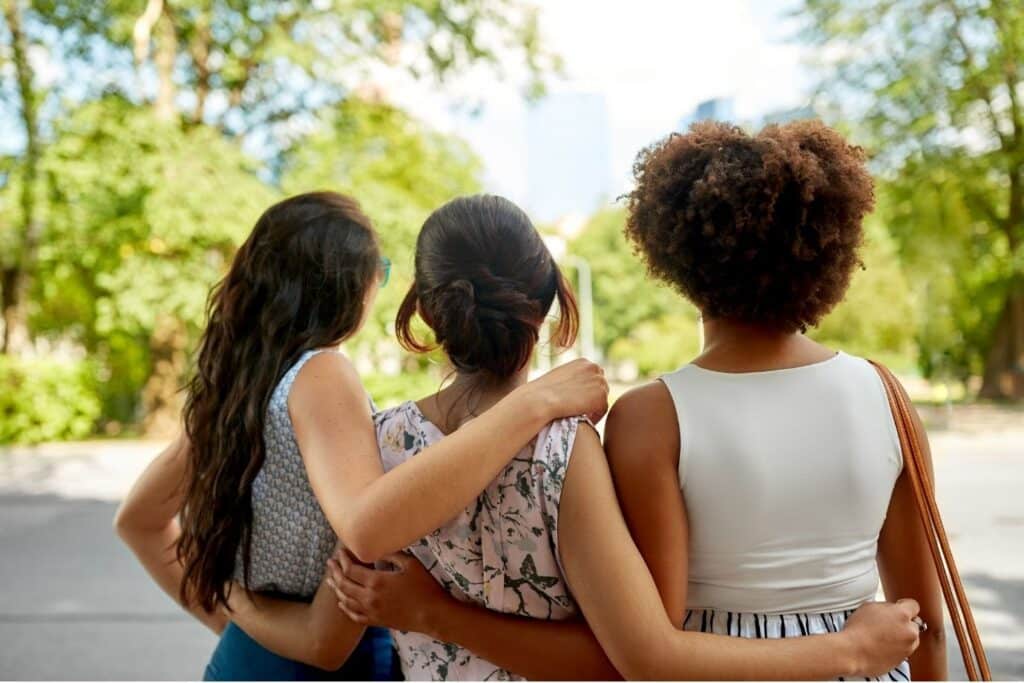
This Sunday, 11 October, is International Day of the Girl, and the UN’s 2026 theme is clear: end child marriage and invest in girls’ rights.
UNICEF estimates that one in five girls worldwide is married before 18, which adds up to roughly 650 million women and girls alive today. But despite the plethora of issues that girls face today, look at what young women have done this year. Girls are still building, pitching, lobbying and testifying, and amazing achievements have been met across the world.
Environment
Tala Mousa, 17, and her sister Farah, 15, have been displaced repeatedly in Gaza and now live in a tent after their home was bombed. In May they were named the Middle East regional winners of the Earth Prize, the world’s largest environmental competition for 13 to 19 year olds, founded during the 2019 School Strike for Climate and has now reached more than 21,000 students across 169 countries and territories.
Tala and Farah are the first winners from Palestine, and their project, Build Hope, is directly linked to their own experiences of destruction and displacement. The project uses crushes rubble from destroyed buildings and mixes it with materials such as ash, clay and glass powder to make non-load-bearing blocks for garden beds, pavements and partitions. The method needs no heavy machinery, so other communities can copy it. The sisters plan to use their US$12,500 prize to train about 100 young people to make the blocks themselves.
Climate
The climate fight is also being made directly to world leaders. Melelusi Sokotia, 13, from Tuvalu, used a summit ahead of this year’s COP31 talks to plead for her country’s survival.
Because Tuvalu sits an average of about 2 metres above sea level, Sokotia’s activism serves as an urgent plea for global leaders to take immediate action before low-lying coral atoll nations face total submersion. COP31 opens in Antalya, Türkiye, on 9 November, with Pacific nations holding preparatory meetings in the lead-up. Fourteen heads of government travelled to Tuvalu, including Anthony Albanese, and adopted the Taku Pakasoa Declaration on 6 October, committing to keeping the 1.5-degree Celsius global warming limit within reach.
Tech
Technovation Girls, the world’s largest girls’ tech competition, drew about 33,000 participants from 120 countries this year. Girls aged 8 to 18 spent 12 weeks finding a problem in their community and building a working app or AI prototype to address it.
Fifteen teams reached the global finals, with projects that are practical and local. Nigerian teenagers built My-Baby, a daily check-in for mothers that flags pregnancy risks to a doctor in real time, in a country with high maternal mortality.
A team in Argentina built an AI app that predicts wildfire and flood risk from hyperlocal data and sends early warnings. Chilean girls built a chatbot to help vulnerable workers recognise exploitation under labour law. A team from Singapore built a free AI tool to help girls in India turn digital skills into income.
Care
In Australia, there were 10 young women listed in the 2026 Woman of the Year ‘Ones to Watch’ nominees.
This category recognises girls and young women aged 7 to 15, who demonstrate a single act or ongoing acts of courage, bravery, strength, and kindness to help and support those around them. The work of these inspiring young girls range from fundraising for homelessness services and presenting ocean-pollution concerns to NSW Parliament, to championing First Nations education, disability inclusion and global volunteering.
What this all shows so clearly is that girlhood is alive, well, and more determined than ever. But what does the theme of the year look like in practise?
Each year, more than 12 million girls – roughly one every three seconds – are married before reaching adulthood, with the highest prevalence in sub-Saharan Africa. Child marriage remains one of the most widespread violations of girls’ rights, denying millions of girls the chance to stay in school, protect their health, and fulfil their potential. It can have severe and lasting consequences for girls’ physical and mental health, increasing risks of social isolation, anxiety and emotional distress at a time when self-harm remains one of the leading causes of death among adolescent girls aged 15-19 globally.
Every girl deserves a childhood. Every girl deserves the freedom to learn, to grow, to make her own choices and to define her own future. Yet millions of girls are still denied that freedom.
Climate stories and child marriage are more closely linked than they look. UNICEF’s analysis finds that extreme weather driven by climate change increases a girl’s risk of child marriage. Every 10 per cent deviation in rainfall is linked to around a one per cent increase in prevalence. For girls in many countries across the world, including Tuvalu, the fight for the climate and the fight for girls’ rights are tied together.
Progress is possible, and it is arriving in law. In recent days California became the 18th US state to ban marriage under 18 with no exceptions. Sierra Leone’s 2024 law sets 18 as the minimum age, also without exception. These are major wins for girls in these countries, and part of the continuing movement that this year’s International Day of the Girl theme aims to recognise.
The question for International Day of the Girl now becomes whether the adults with the power to fund, legislate and negotiate will meet them halfway, starting with the climate talks that open in Antalya on 9 November.
Want more stories like this sent straight to your inbox?Join the free Women’s Agenda Daily newsletterand support independent, women-led journalism.