
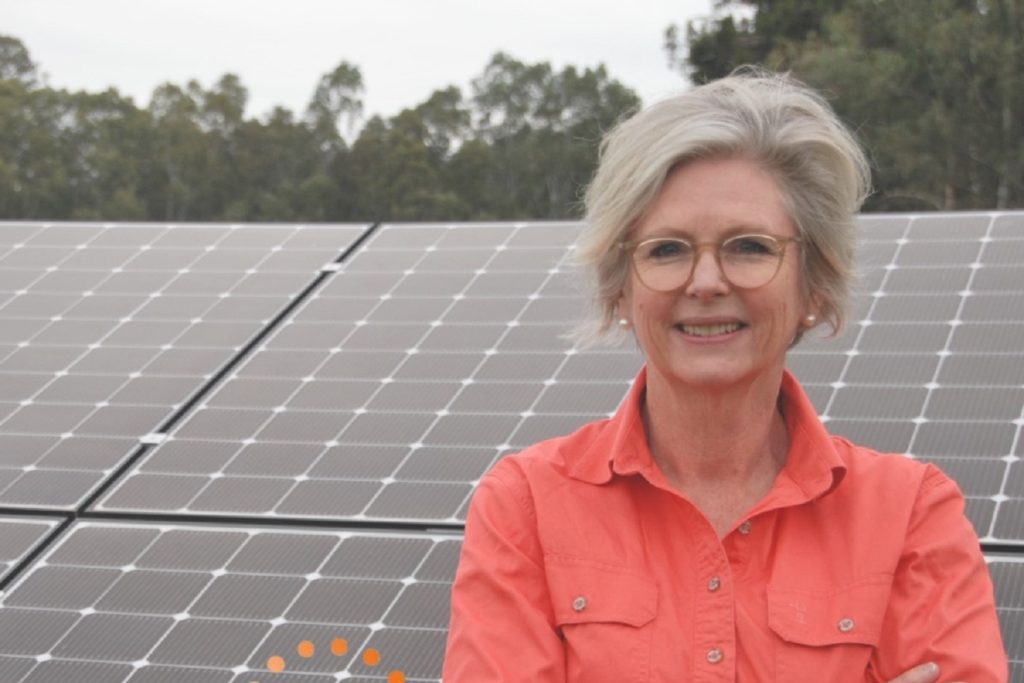
I woke up on Tuesday morning hoping last night had been a horrible nightmare. It hadn’t.
I can’t stop thinking about Helen Haines, her family, her staff, her volunteers and her community. I can’t stop thinking about how someone who has put themselves forward to represent their community, who has given so much of themselves to public service, can be faced with such hostility simply for doing the job their community elected them to do.
Today, a generation of young, passionate people will look at what has happened and wonder whether a life in politics is still for them. But the truth is, we need more people like Helen in Parliament.
Helen is warm, humble, incredibly funny and extraordinarily generous. She treats people with respect, regardless of who they are, what they believe or how they vote. She doesn’t get caught up in the political games and mudslinging. She gets on with the work.
In meetings, she often brings people together and makes sure everyone is heard. In the minute or two she has spare before a press conference, she takes the time to ask about your weekend or remember something you told her weeks earlier.
It might sound insignificant, but it isn’t. Those moments tell you a lot about someone. Helen makes people feel seen, even when she has a million other, far more important things on her plate.
I admire her enormously. If more people approached public life with that kind of generosity and integrity, our country would be better for it.
Yesterday has been impossible to comprehend.
I have worked in politics for several years. I know the people who choose to do this job, particularly those who serve on the crossbench. I have seen the hours they work, the sacrifices they make and the genuine care they have for the communities they represent.
Politics is relentless. The public sees the combative interviews and the most heightened media grabs from Question Time. But what is less visible are the weekends spent knocking on doors, the early morning meetings and phone calls, the difficult conversations with families and small business owners struggling and the constant pressure to be available to everyone, at all times.
People enter public life because they believe things can be better. That is what makes the job worth it. It is also what we risk losing when politics becomes consumed by hostility and division.
We need to be honest about the role misogyny plays in that hostility.

Georgie Purcell said it best, “Being a woman in politics changes the way you move throughout the world. We consider where we park our cars, the route we drive home, if we hold public events or keep our office door locked.”
I feel I need to say the quiet bit out loud. I cannot imagine the attacker who allegedly rammed into Helen, being a woman.
The rise of misogynistic messages and comments left on social media is out of this world, too vile to be repeated. I’m sure for many of you reading this, they don’t need to be, we know the comments too well.
Why should these women representing their communities have to develop a thick skin for behaviour that would be unacceptable in any other workplace? Why should being publicly humiliated or threatened be treated as a reasonable part of ‘the day on the job’?
Research into online abuse experienced by women in politics found 94% of respondents believed online abuse was discouraging capable women from entering politics. 64 per cent said it had made them less likely to run for office again, seek higher office or encourage other women to run. Almost half had seen family members or campaign supporters targeted because of their political involvement. Women for Election
These figures matter because they show that abuse does not simply disappear when you put your phone away.
I have hidden and removed comments as part of my job that I will never forget.
The message it sends to every woman from afar is: what might happen if you put your hand up?
It’s time for a serious review into the safety and security of our political representatives, but particularly women in politics. We cannot keep telling women to be resilient while accepting the behaviour that makes resilience necessary.
A healthy democracy depends on people willing to listen, leave their electorate office doors open, and work across personal differences. It cannot become a place where only those willing to tolerate the most hostility are left standing.
Disagreement is fundamental to democracy. Dehumanisation is not.
I don’t want us to become a country where kindness is mistaken for weakness, or where women have to weigh up their safety before deciding whether to run for Parliament.
I also hope we remember what Helen represents beyond this horrific attack. She embodies the very best of what a leader should be, someone who genuinely listens, brings people together, and has the courage to stand by her principles with integrity, always.
We owe it to Helen, and to the next generation to make sure that remains possible. What we do now matters.