
There’s been a shocking 49 per cent surge in referrals to Domestic Violence NSW involving serious threat assessments by NSW Police, while the number of people seeking frontline services continues to grow.
That’s according to new figures released today by Domestic Violence NSW, which believes that rising cost-of-living pressures and increasing social isolation are likely contributing to heightened levels of domestic and family violence across the state.
And at 49 per cent, this is not just a blip or an anomaly. It’s a surge that should raise immediate concerns, especially given it’s a figure relating to the “high risk” category of NSW police assessments.
It’s a reminder also of the broader factors that create conditions for violence, including the economy, the housing market, and a system of services that is chronically underfunded.
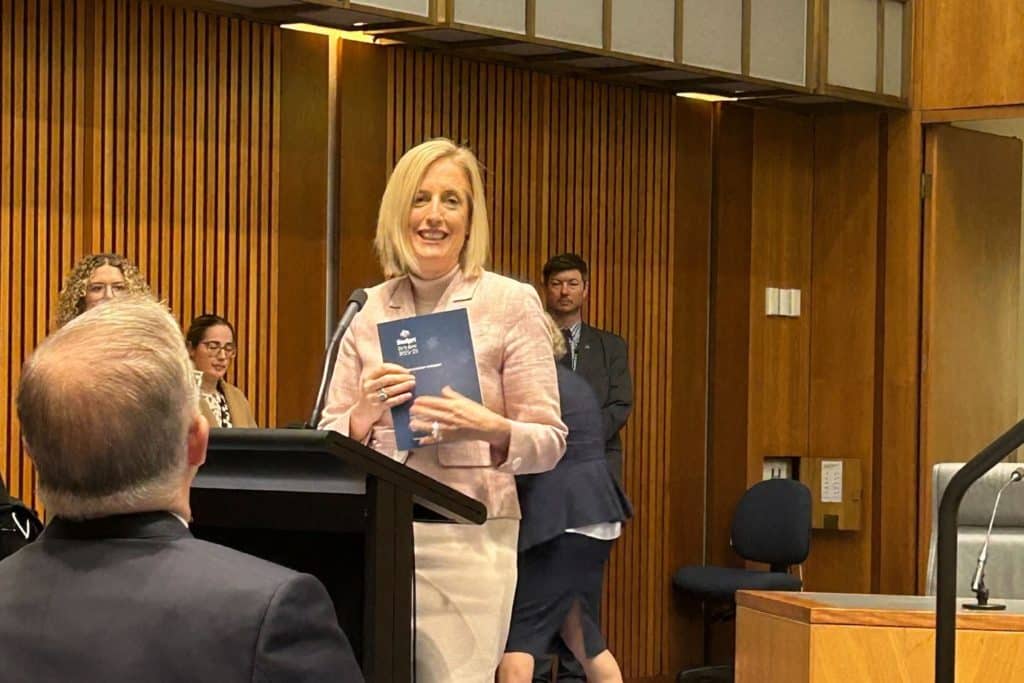
The figures come as Treasurer Jim Chalmers is set to unveil the 2026-27 Federal Budget tonight. While the cost of living is expected to be addressed in some form, along with housing, there’s been little talk so far regarding additional funding that much of the domestic and family violence sector is calling for, funding which is expected to again fall short.
Meanwhile, tonight’s Budget comes as less than 8 per cent of spending unveiled across state and federal budgets in the last year addressed women, gender equality and violence prevention, according to Gender Lens Australia’s Gender Budget Watch Report, released last month.
According to DV NSW spokesperson Angie Gehle, NSW is facing a broader pattern of social burdens and unpredictability reflected in the uptick.
“We are seeing more people reaching out for help, and more victim-survivors being assessed as high risk. That tells us something is shifting, and it’s deeply concerning,” she said.
“Cost-of-living pressures are forcing people to make difficult choices. For some, that can mean withdrawing from support networks, being forced to stay in unsafe situations due to a lack of resources or experiencing increased stress and conflict at home.”
Isolation, already a known risk factor for domestic and family violence, is also intensifying due to economic strain. Gehle says the risk of violence escalates when people become more socially, financially or geographically isolated, given that it becomes harder to seek help, leave, and perpetrators may find it easier to get away with violence.
“What we are seeing now are early warning signs. If we don’t act, these risks will continue to escalate,” Gehle said.
DVNSW is calling for an immediate priority of a 50 per cent increase to core funding for specialist domestic violence services to help stabilise the specialist service system to respond to these risks.

These calls come at a time when the sector is already well past capacity.
And while a 50 per cent call may sound ambitious, given the $4.7 billion already committed under the National Plan to end violence against women, it must be considered alongside other budget measures we’ll likely see unveiled tonight, and as the Treasurer has confirmed he is set to announce a shrinking of the budget deficit.
Leaving aside the moral argument for saving women and children, the cost of not funding these services will also far exceed the cost of funding them, especially when you factor in health, justice, child protection services and lost economic participation.
Budgets ultimately reveal what Australia values. If the Albanese Government is genuinely committed to gender equity, as it has repeatedly stated, then it must do more to support frontline services in meeting the surging demand.