
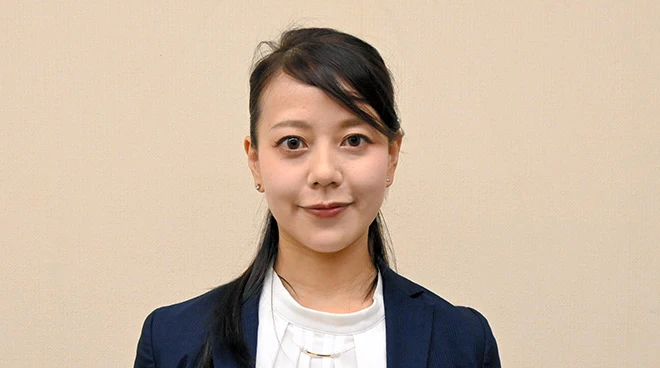
Japan is experiencing a birthrate “emergency”. So you’d think a 35-year-old mayor taking maternity leave would by now be the norm, rather than something that makes news and sparks controversy?
But for the youngest-ever woman to be elected mayor in Japan, Shoko Kawata, taking such leave will also see her making history again: she’ll become the first incumbent mayor to take time off for a baby.
Kawata’s first child is due in mid-September, and the mayor of Yawata city in Kyoto Prefecture has declared she’ll be taking 16 weeks of maternity leave, including eight prior to the birth of the child.
It’s believed to be a first for Japan – although it’s hard to believe this could still be a first anywhere, and that any leader taking maternity leave (or parental leave at all) should still have to face controversy and public backlash for doing so.
Indeed, Kawata’s announcement is causing serious debate in Japan, with some arguing it’s a waste of taxpayer money and the move is challenging the country’s culture of overwork.
But for 35-year-old Kawata, taking maternity leave is also an opportunity to demonstrate it’s possible to have a big, public career while raising a child – an example that’s desperately needed in Japan.
She told CNN she hopes taking leave can be a “catalyst for changing the system”.
“Through this, I hope to encourage not only workers, but also business owners and managers, all those involved in various types of work to embrace these life events, child-rearing and childbirth… while striking a proper balance with their work.”
Japan continues to perform poorly on women’s representation in parliament, where women make up just 15 per cent of the House of Representatives (although it does now have a female prime minister), and is grappling with sustained gender stereotypes and traditional views that have failed to keep up with increasing women’s workforce participation.
Japan’s birth rate has been in decline for years now and dropped to a record low of just 1.14 per woman, one of the lowest rates in the world.
The country’s also long been known for its culture of work and high-pressure work environments, which fail to adapt to the needs of new parents.
These tough working conditions were recently reiterated by its first female prime minister, who, upon becoming the newly elected leader of Japan’s ruling Liberal Democratic Party, promised that “everyone will be required to work – work like a horse.”

Sanae Takaichi promised to “abandon the notion of work-life balance.”
It is hard to imagine a clearer statement of the problem: a nation demanding babies from women while its leader demands they work themselves to the bone.
Recent research found that the majority (67%) of women workers in Japan with children carry anxiety about career development as a result of childbirth and child-rearing, with 64 per cent worrying that a disruption to the work as a result of the child (due to illness or a school event) will cause “trouble to those around me if I have to miss work, arrive or leave early…”
In the same survey released in March this year, 42.5 per cent of women said, “I quit my job and became a full-time housewife” when asked about changes to their employment status after having a child.
The Japanese government has previously described the demographic decline as a “quiet emergency”, and has been working on measures including raising take-home pay for young people to support them in marrying and having children, and expanding support for parents.
The former prime minister Fumio Kishida also introduced what were once described as “unprecedented measures to reverse” the declining birth rate trend, but there have still been no visible results, with surveys revealing the economic burden is preventing couples from having more children.
But another key issue is how the unpaid work of raising a child disproportionately falls on women, with a lack of workplace support for men to participate in care.
Despite the backlash across social media, Mayor Shoko Kawata says she’s found plenty of support in person. She’ll be appointing a deputy to lead the city of 70,000 while she’s away from the office, but has promised to keep checking her emails.
Some day, a prominent female leader taking maternity leave won’t make international headlines, nor will it be newsworthy for a new dad in such a position to take paternity leave.
But change like this has to start somewhere, with women like Kawata leading the way. Without them, Japan has little hope of addressing its “emergency”- level declining birthrate.