
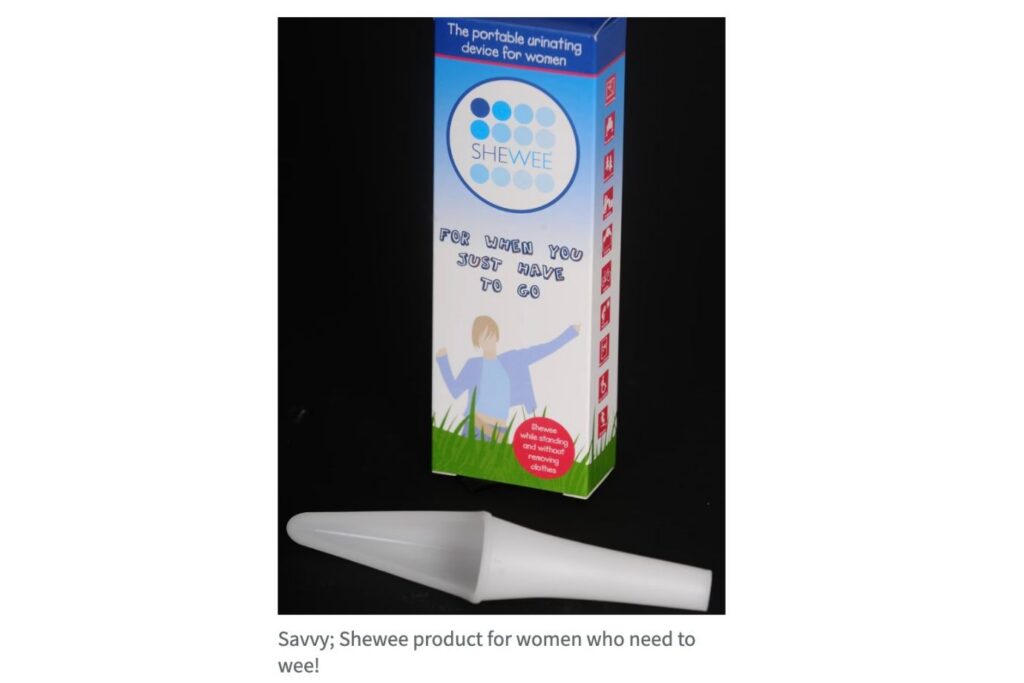
In Queensland this week, women being transferred in custody were denied access to toilets after arriving at a women’s prison and were instead forced to urinate using disposable devices inside the back of a police vehicle. The incident has triggered a public dispute between police and corrective services, with each agency pointing fingers over responsibility, capacity and process.
What is almost entirely missing from that debate are the women themselves.
Reduced to an operational inconvenience, their humiliation has been framed as a by-product of an inter-agency feud, just another example of a system “under pressure.” But being denied a toilet is not a logistical issue. It is a serious violation of dignity and human rights.
What would be even more dangerous than what happened is pretending this is a Queensland problem. It is not.
Queensland is simply the latest place where the veil has slipped, where a grotesque abuse of women’s rights has become too visible to ignore. For women inside the National Network of Incarcerated & Formerly Incarcerated Women & Girls, these stories are not shocking. They are familiar, they are routine. And they are national.
Women in New South Wales have told us, plainly: this is completely accurate. This is how women are treated across the country.
In NSW, women report being locked inside prison transport trucks for six, eight, sometimes twelve hours at a time, with no access to toilets. No dignity. No relief. Some describe being forced to relieve themselves in stairwells while still handcuffed, inside entirely metal cabins designed for containment, not humanity.
We do not treat animals like this.
And yet this is how women, disproportionately Aboriginal women, disabled women, poor women, are treated by the Australian state every day.
In so-called transfers, women’s bodies become sites of punishment. Their bladders. Their bowels. Their shame. Their exposure. These are not unfortunate side-effects, they are built into systems that see women as risks to be managed, not people to be cared for.
When visiting women imprisoned in Mparntwe, we heard one story that should stop this country in its tracks.
A woman described being woken at 3am. Shackled at the wrists and ankles with chains. Thrown into a prison van with two other women. They travelled the 16-hour journey to Darwin with no seatbelts and only three stops to use the toilet.

Each time they stopped, they were still shackled. Their pants slipping down. Their bodies exposed and subjected to full pat-downs before being allowed to relieve themselves.
“I felt every bit the prisoner,” she said.
That sentence matters, because it strips away every excuse, and it tells us this was not about transport. It was about domination and about reminding women of their place. About ensuring that even their most basic bodily functions were controlled by the state.
These are not isolated incidents. They are not the result of individual bad actors having a bad day. They are the predictable outcome of systems that prioritise punishment, speed, and institutional convenience over human dignity.
And when agencies start publicly feuding, when police blame corrections and corrections blame police like we are witnessing in Queensland, the women caught in the middle disappear entirely. Their suffering becomes background noise, and their humiliation is reduced to a footnote in a debate about capacity and funding.
But the truth is simple: women’s human rights are being abused while the state argues over who is responsible.
Women in custody do not lose their humanity during transfers. They do not surrender their dignity when they are moved between jurisdictions. And they do not consent to being degraded because prisons are overcrowded or governments refuse to decarcerate.
If Australia wants to speak the language of human rights on the global stage, it must stop brutalising women in the shadows of its carceral system.
If governments want fewer scandals, they must stop warehousing women in conditions that make abuse inevitable.
And if we want real safety, not institutional self-protection, we must end the inhumanity at its source. Because no feud between state agencies will ever justify the deliberate degradation of women’s bodies.
And the women know it.