
‘Hello book people, we are starting something new this week.’
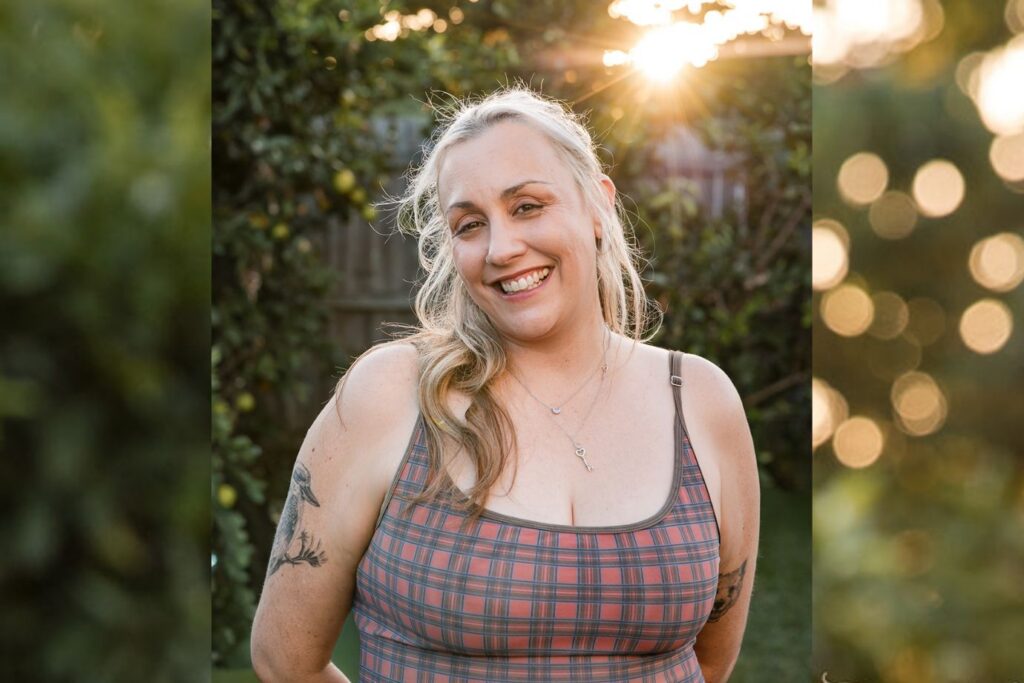
It’s June 2025 and in the video, I’m sitting on the floor in front of my bookshelf. My hair is in a messy bun, I’m in a hoodie with stained sleeves, and my face is makeup free, forehead shining from the poor lighting. I’m clutching a copy of Yvonne Weldon’s debut novel, Sixty-Seven Days (2022), and those are the first, totally unscripted, words I spoke on my social media video series, ‘Hyping Underhyped Books.’
The post was prompted by an assistant hired for a day to help get my life sorted. I thought she’d spend the day sorting my unread emails—which she did— but she also helped me reframe my social media.
‘I’m frustrated,’ I said to her. ‘It took thirteen years to get my first book published.’ Thirteen years in which I plotted and planned, studied, and wrote. Through all this, I had Blak women supporting me: from Mum and elders to the women who employed me, taught me how to be an academic. It was Blak women who guided me into the industry and with their help, my dreams came true and I became a published author. But what I’ve learned is that getting the contract was the easy part: getting the book into people’s hands when you are writing books that don’t really fit the niche Blakfullas are assigned is the hard part. If even with support networks and privilege, I’m still having issues, then what were other Blak women dealing with to have their stories shared?
As an author who is also an academic, I sit in a weird place. I find myself in “whisper networks” with others who share their experience of the industry in sometimes horrifying detail and I have stories too. I feel like I have the tools to make change, but the size of the
industry and my involvement as an author, makes it difficult to be a part of data collection in any ethical way. It’s already hard to get good data, because the small size of the Australian industry and the even smaller number of published Aboriginal and Torres Strait Islander authors, makes confidentiality difficult.
But what I do have is Country, community, and culture. It was Blak women who guided me into this position, and now I’m here, I want to amplify their voices as well as making sure I use all the tools in my kit to make things better for those who are still working to get here.
Publishers are relying on social media to do a lot of the work getting books into reader hands. The danger is, to sell books this way, publishers are starting to optimise not just their promotions, but the books they choose to publish for the algorithm (Garcia). On social media certain genres, topics, writers, and influencers are favoured and for marginalised people the end result is clear: if online platforms are shaping what books are viable, we’re f*****.
I launched Hyping Underhyped Books one week after the “BookTok Boy1” announced a two-book deal. Sixty-Seven Days was an easy first post. I’d use it as an example of how relationship to Country permeates every aspect of Blak books, even in contemporary set, genre-based stories. It’d been out for three years, which means in many ways, the book’s lifecycle was at its end. But I knew the sad but beautiful story about two young people falling in love in Sydney against a backdrop of culture, Country, and family—would appeal to romance readers if I could just get it into their hands.
And so, I made a video, posted it, and Hyping Underhyped Books was born.
Underhyped doesn’t always mean backlist books, or those that have flown under the radar. Last year, I talked about Sharlene Allsopp’s award-winning debut novel, The Great Undoing (2024). It has moved well—I think—had good critical engagements and the literary awards help a book stay in circulation. But I hadn’t heard the book talked about online outside of these circles and frankly, everyone should be reading this one.
I love to share books and when I’m asked for recommendations—whether for a student in my classroom, a person in my bookclub, or for a publication—Blak women are always my first choice. These are the voices we need to be listening to right now, in this political climate in this country. But they’re also not just books to read to fill a diversity quota, they’re books that have the most beautiful prose, like The Belburd by Nardi Simpson which is best read on a picnic blanket under a big tree.
Blak women have shaped genre writing since the beginning and Claire G Coleman is the best place for Science Fiction and Fantasy readers to start—I promise you, Terra Nullius will blow your mind. For those of you who like a bit of shiver in your boots, Ghost Bird is wonderful; and Jane Harrison’s Becoming Kirrali Lewis is one of the best young adult books you will ever read.
I can—and will—do this forever and online I’m slowly seeing results. But to make change, things need to go bigger than me. Social media marketing strategy tells me I need to add a call to action here, but in truth, this whole article is my call to you: read books by Blak women. Read books by Blak queer folks. Read Blak books. Vote with your dollars and your library cards, and listen (and like, and comment, and share) when we speak.